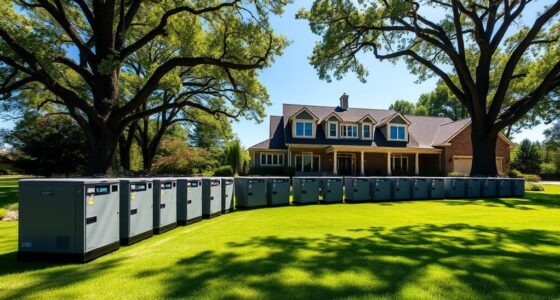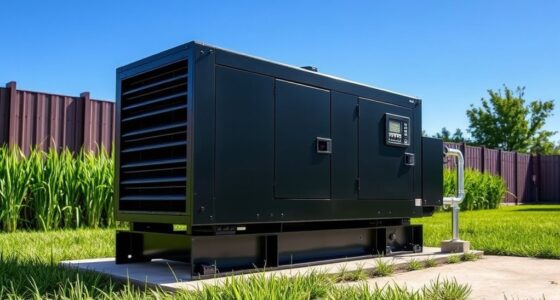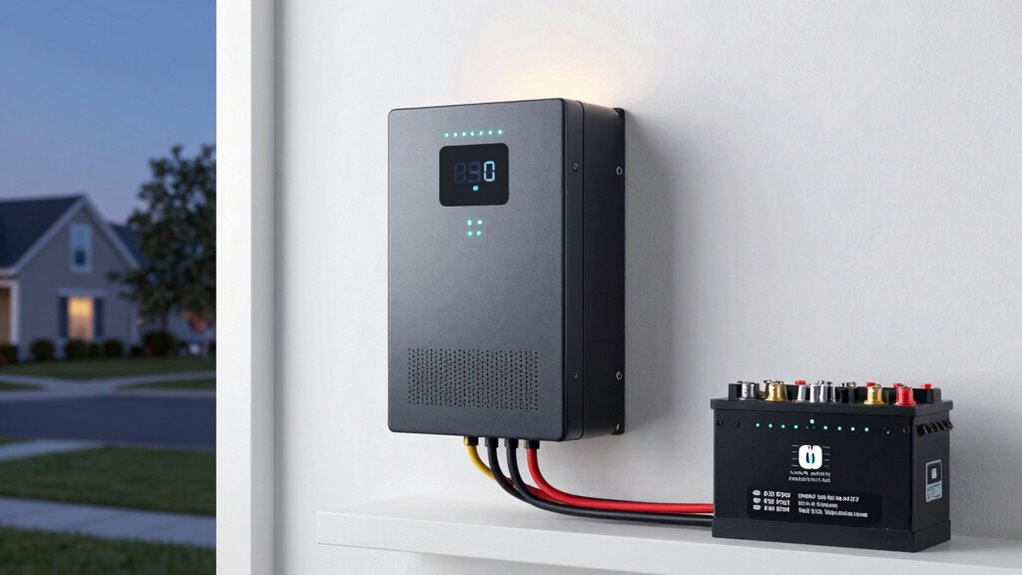
To plan backup power for your home security system, start by evaluating your system’s power needs and the duration of outages you want to cover. Choose reliable options like solar panels and lithium-ion batteries, ensuring proper sizing for longer outages. Follow best installation and maintenance practices, including regular testing and component checks. Monitoring your system’s performance helps keep it ready. Stay tuned to learn how to optimize your setup and keep your home safe during power failures.

Get backup power and energy gear delivered free with Prime
- Fast, free delivery on millions of items
- Prime Video, Amazon Music and more included
- Member-only deals all year
Key Takeaways
- Assess your security system’s power requirements and potential outage duration to determine appropriate backup capacity.
- Incorporate renewable energy sources like solar panels for sustainable, independent backup power.
- Choose high-capacity, reliable batteries such as lithium-ion, and ensure proper sizing for continuous operation.
- Follow proper installation practices and perform regular maintenance to ensure backup system reliability.
- Monitor system performance and battery health regularly to detect issues and optimize backup readiness.
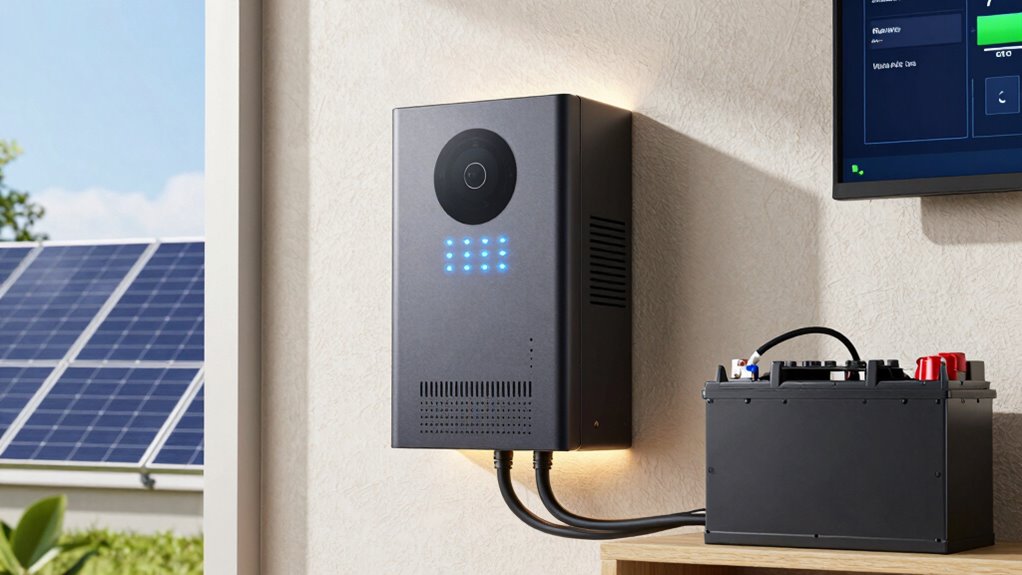
Ensuring your home security system stays operational during power outages is essential for maintaining safety and peace of mind. Power interruptions can leave your security vulnerable, so planning reliable backup power solutions is necessary. One effective approach is to incorporate solar energy into your backup plan. Solar panels can be a sustainable and cost-efficient way to generate power for your security system, especially if you’re in an area with abundant sunlight. When paired with a proper battery capacity, solar energy can keep your system running independently of the grid. You’ll want to choose a solar setup that matches your security system’s power demands, guaranteeing enough energy is collected during the day to sustain operations at night or during cloudy weather. Installing a solar-powered backup system not only reduces reliance on traditional power sources but also provides a renewable, eco-friendly option that minimizes ongoing costs. Additionally, using weatherproof tool storage for your solar equipment can prolong its lifespan and ensure reliable operation over time.
Battery capacity plays a key role in maintaining continuous security coverage during outages. A larger battery capacity means your system can operate longer without external power. To determine the right size, evaluate your security system’s power consumption and the typical duration of outages in your area. Lithium-ion batteries are popular because they offer high energy density and longevity, making them ideal for home security backup. You should also consider adding a smart battery management system that can monitor charge levels and optimize power use. This guarantees your batteries are always ready to deliver power when needed most. Remember, a backup power system isn’t just about having a battery or solar panels; it’s about guaranteeing these components work seamlessly together to provide reliable coverage whenever the grid fails. Proper installation, including following extension cord standards and ensuring proper tool power protection, is crucial for safety and efficiency. Incorporating proper wiring practices can further enhance system safety and prevent potential hazards. It’s also important to be aware of how softener brine impact can affect the overall system and maintenance procedures. Regular maintenance and understanding system compatibility are vital for ensuring the longevity and effectiveness of your backup setup.
Furthermore, staying informed about renewable energy options can help you optimize your backup power system for both efficiency and sustainability. Regular testing of your backup system is necessary to confirm it functions properly when needed. Keep an eye on battery health, solar panel efficiency, and system connections to prevent surprises during an emergency. Proper planning involves not only selecting the right components but also ensuring they are correctly installed and maintained. By focusing on solar energy and adequate battery capacity, you create a resilient, sustainable backup power setup that keeps your home security system operational during outages, giving you peace of mind no matter what happens.
Frequently Asked Questions
How Long Should Backup Power Last During an Outage?
You should aim for backup power to last at least 12 to 24 hours during an outage. Consider the battery lifespan and power capacity of your backup system to guarantee it can handle your security devices for that duration. If outages are frequent or last longer, opt for a higher capacity system or additional batteries. Regularly test and maintain your backup power to keep your security system reliable when you need it most.
Can Solar Power Be Used for Home Security Backups?
You can definitely use solar power for home security backups. Solar panels collect sunlight during the day, providing a renewable energy source, while power storage systems like batteries hold excess energy for nighttime or cloudy days. This setup guarantees your security system stays online even during outages. It’s a smart move to keep things running smoothly, especially when you want to be prepared and not put all your eggs in one basket.
What Is the Cost Difference Between Backup Power Options?
The cost difference between backup power options varies based on battery lifespan and power capacity. Battery backups like UPS systems are generally more affordable upfront but may need replacement sooner, increasing long-term costs. Solar-powered options have higher initial costs due to panels and installation but offer sustainable power with longer-lasting batteries. Consider your security system’s power needs and how long each backup can sustain operation to choose the most cost-effective solution.
How Often Should Backup Power Systems Be Maintained?
Think of your backup power system as a vigilant guardian, always ready to spring into action. You should check and maintain it every 6 to 12 months, ensuring battery longevity and power source compatibility. Regular inspections keep the system lit with confidence, preventing surprises during outages. By staying proactive, you’ll keep your security system resilient, much like a steadfast sentinel guarding your home’s peace of mind.
Are There Any Safety Concerns With Backup Power Systems?
Yes, there are safety concerns with backup power systems. You should be aware of fire hazards and electrical safety risks, especially if systems are not properly installed or maintained. Overloaded circuits or faulty wiring can cause fires, posing danger to your home. Always follow manufacturer guidelines, have a professional inspect the setup regularly, and avoid tampering with electrical components to guarantee safe operation and prevent accidents.
Conclusion
Now that you know how to plan backup power for your home security system, you’re better prepared to keep your home safe no matter what surprises come your way. Remember, it’s always better to be safe than sorry—don’t leave your security to chance. By taking these steps, you guarantee your system stays up and running, come rain or shine. Stay proactive, and your peace of mind will be well within reach.
Halloween Picks
halloween
As an affiliate, we earn on qualifying purchases.