
Water in your fuel can cause your generator to run rough, misfire, or stall, reducing power and increasing emissions. It interrupts proper combustion, making the engine struggle under load and potentially damaging crucial parts like injectors and carburetors over time. Water also promotes corrosion and bacterial growth, clogging filters and fuel lines. Ignoring these issues risks costly repairs and long-term damage. Keep in mind, understanding more about how water affects your generator can help you prevent serious problems.
Key Takeaways
- Water in fuel causes engine misfires, stalls, and rough running, reducing overall generator performance.
- It disrupts combustion, leading to incomplete burning and decreased power output.
- Water promotes corrosion and bacterial growth, damaging fuel system components over time.
- Contaminated fuel increases filter clogs and maintenance needs, risking costly repairs.
- Preventative measures like water separators and regular tank maintenance protect generator reliability.
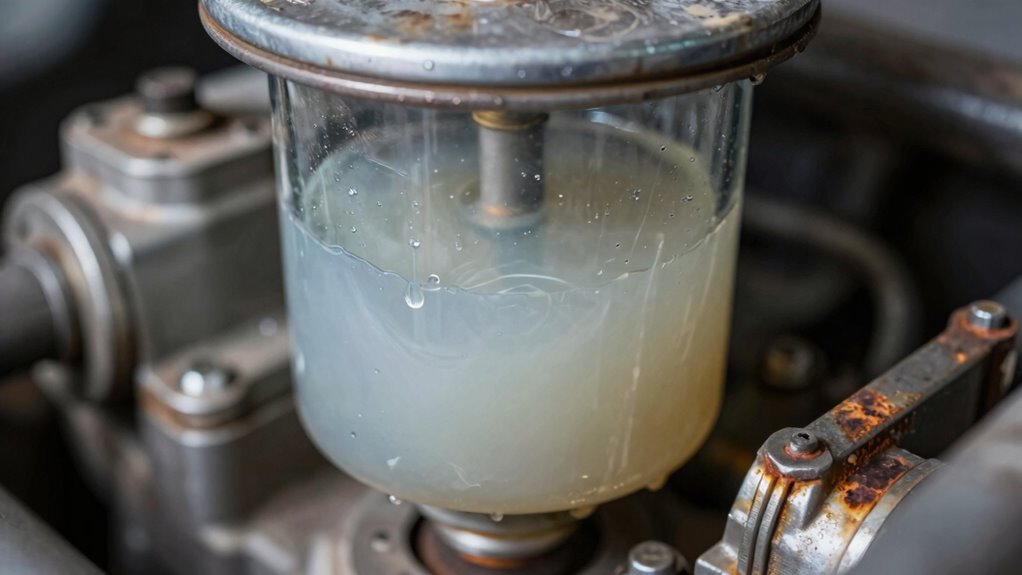
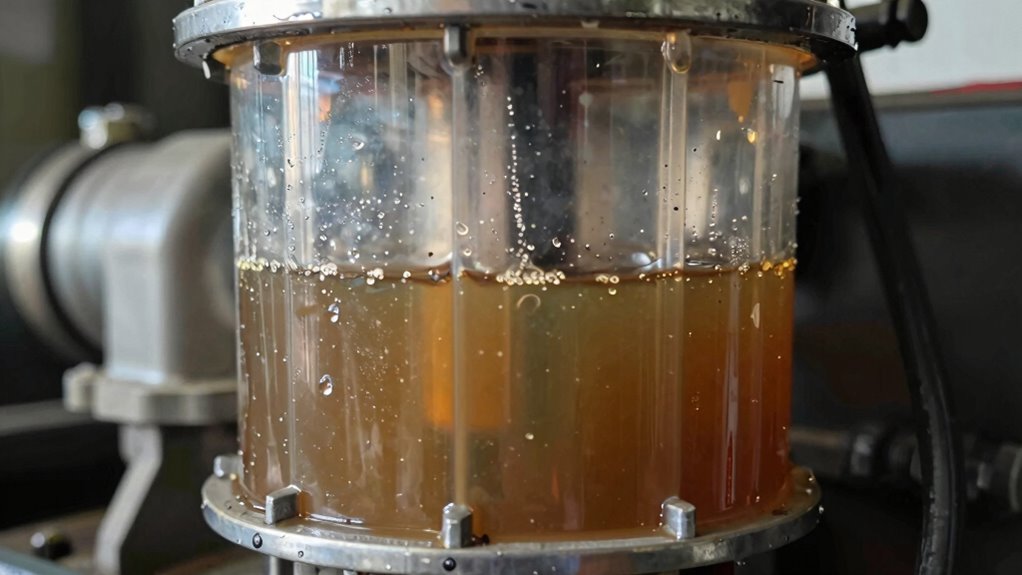
Have you ever wondered how water in fuel can impact your generator’s performance? When water gets into your fuel tank, it creates a serious problem called fuel contamination. This contamination doesn’t just sit harmlessly; it actively affects how your generator runs. This issue is especially significant in regions with humid climates, where water ingress is more common. This contamination doesn’t just sit harmlessly; it actively affects how your generator runs. The presence of water can cause your engine to misfire, stall unexpectedly, or run unevenly. Over time, these issues can lead to costly repairs and decreased reliability. Water in fuel separates from the gasoline or diesel and settles at the bottom of the tank, but even small amounts can wreak havoc on your engine’s performance.
Fuel contamination with water interrupts the normal combustion process. Your generator relies on clean, dry fuel to burn efficiently and produce consistent power. When water enters the mix, it can cause incomplete combustion, leading to reduced power output and increased emissions. This means you might notice your generator struggling to maintain a steady supply of electricity, especially under load. The engine’s performance is directly compromised because water interferes with the fuel’s ability to ignite properly. Instead of a smooth operation, you might see rough idling, hesitation during acceleration, or a noticeable drop in overall efficiency. Additionally, fuel quality can decline rapidly when water is present, further complicating maintenance.
Moreover, water in fuel accelerates the wear and tear inside your engine. It promotes corrosion of metal components, such as fuel injectors and carburetors, which are essential for proper fuel delivery. Corrosion damages these parts over time, leading to reduced performance or complete failure. The water can also cause microbial growth—often called fuel algae—that clog filters and fuel lines, further impairing engine function. If untreated, this contamination can lead to more frequent maintenance needs and even engine damage that’s expensive to repair. Regularly checking for fuel contamination and addressing any issues promptly can save you from costly repairs in the long run. Preventative measures like using fuel additives that remove water can also help maintain fuel quality and fuel system integrity.
Preventing water from contaminating your fuel is vital. Regularly inspecting and maintaining your fuel storage tanks, using fuel stabilizers, and ensuring proper sealing of fuel caps help minimize water ingress. Additionally, employing water separation filters can be highly effective in removing water before it reaches your engine. Using fuel treatments designed to remove water can be an effective preventative step. If you suspect water has entered your fuel, draining and cleaning the tank, replacing filters, and using fuel treatment products can mitigate the damage. Remember, the longer water remains in the fuel, the greater the risk of long-term harm to your generator’s engine performance. Staying vigilant about fuel quality isn’t just about avoiding inconvenience; it’s about protecting your investment in reliable power. The key is understanding that water in fuel isn’t just a minor nuisance—it’s a major threat to your generator’s safe and efficient operation.

Porch Shield Waterproof Universal Generator Cover 32 x 24 x 24 inch - for Most Generators 5000-10000 Watt, Black
Compatible - More sizes for 5000w -10000w gas generator or inverter generator.
As an affiliate, we earn on qualifying purchases.
Frequently Asked Questions
How Does Water Enter the Fuel System of a Generator?
Water enters your generator’s fuel system mainly through condensation or contaminated fuel sources. During fuel filtration, water can sometimes bypass filters if separation isn’t effective, causing it to reach the engine. This happens when water isn’t properly separated or removed. Regular maintenance, including water separation and ensuring your fuel filtration system works correctly, helps prevent water from entering the fuel system and damaging your generator.
Can Water in Fuel Cause Immediate Generator Failure?
Yes, water in fuel can cause immediate generator failure. Water disrupts fuel stability, leading to uneven combustion or engine misfires. It also promotes corrosion within fuel systems, damaging critical components. If not addressed quickly, water contamination can result in engine shutdowns or costly repairs. Regularly using fuel additives for corrosion prevention and ensuring proper fuel storage can help minimize these risks and keep your generator running smoothly.
What Are the Long-Term Effects of Water in Generator Fuel?
Water in your generator fuel can cause long-term issues like fuel sedimentation, which clogs filters and reduces efficiency. It also promotes corrosion within fuel system components, leading to costly repairs. Over time, corrosion prevention becomes harder, and your generator’s lifespan shortens. Regularly draining water and using fuel treatments helps minimize these effects, ensuring your generator operates smoothly and lasts longer.
How Can Water Contamination in Fuel Be Detected Early?
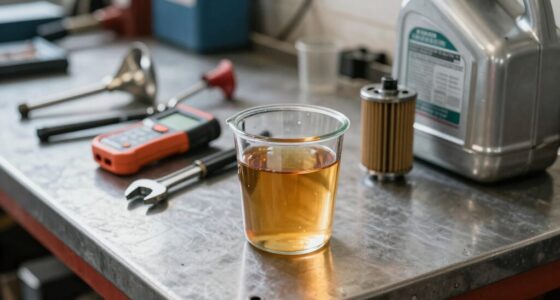
You can detect water contamination early by regularly checking your fuel with a water test kit or using a clear container to observe separation layers. Fuel filtration systems help catch water before it reaches critical parts, and routine inspections prevent contamination buildup. Staying vigilant with these methods guarantees you catch water in fuel early, reducing risks to your generator’s performance and avoiding costly repairs caused by water-related damage.
Are There Specific Fuel Additives That Prevent Water Issues?
Yes, you can use fuel additives designed for fuel stabilization and water separation. These additives help prevent water issues by dispersing water or encouraging its separation from fuel, making it easier to drain. Regularly adding such additives guarantees your generator’s fuel remains stable and free from water contamination, reducing the risk of engine problems. Always follow manufacturer instructions for proper use and frequency to maximize effectiveness.
Porch Shield Waterproof Universal Generator Cover 38 x 28 x 30 inch - for Most Generators 5500-15000 Watt, Black
Compatible - More sizes for 5500w -15000w gas generator or inverter generator.
As an affiliate, we earn on qualifying purchases.
Conclusion
Even if it seems minor, water in your fuel can cause serious damage to your generator. Think of it like rusting a essential part or clogging the engine; ignoring it only makes things worse. Don’t wait until your generator stalls during an outage. Regularly checking and treating your fuel guarantees reliable power when you need it most. By staying vigilant, you prevent costly repairs and keep your generator running smoothly, no matter the circumstances.

Waterproof Generator Covers for Outside, Heavy Duty Thicken 900D Polyester Fabric Portable Generator Covers Universal Fits for Most Generators 5000-10000 Watt, Black (32"L x 24"W x 24"H)
✅ Perfect Fit for 5,000W–10,000W Generators – Designed at 32"L x 24"W x 24"H, this universal cover fits...
As an affiliate, we earn on qualifying purchases.
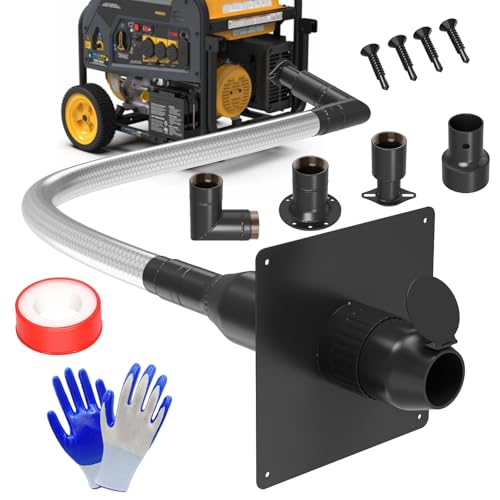
LCGP Generator Exhaust Extension Silencer Kit with Upgraded 304 Stainless Steel Flex Pipe Hose and Muffler Reduce Noise by 50% Three Adapters&Mounting Plate Universally Fit for All Portable Generators
304 Stainless Steel Flex Pipe Hose: LCGP generator exhaust extension kit upgraded with seamless stainless steel flexible pipe...
As an affiliate, we earn on qualifying purchases.