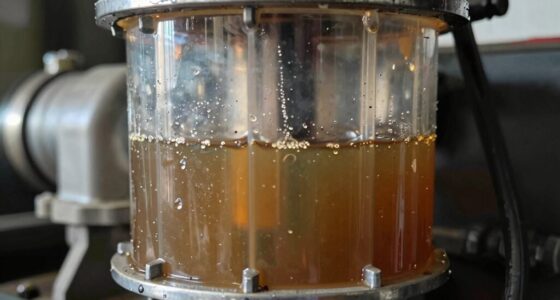
When filling fuel tanks, you should follow specific venting and fill procedures to prevent overpressure, spills, and environmental hazards. Gradually fill the tank, monitor pressure gauges, and guarantee vents are free of obstructions to allow proper airflow. Regularly inspect relief valves and venting components to confirm they work correctly. Proper venting and filling practices protect safety and equipment. To learn more about these vital requirements, keep exploring detailed guidelines and safety standards.

Get backup power and energy gear delivered free with Prime
- Fast, free delivery on millions of items
- Prime Video, Amazon Music and more included
- Member-only deals all year
Key Takeaways
- Follow manufacturer guidelines for maximum fill levels and gradual filling procedures to prevent overflows and pressure buildup.
- Ensure venting systems are unobstructed and capable of handling maximum expected pressure during fueling.
- Regularly inspect and maintain pressure relief valves and vents to prevent malfunctions and ensure safety.
- Use recommended venting requirements to facilitate air escape and maintain tank integrity during filling.
- Monitor pressure gauges and listen for venting sounds to identify and address venting or pressure issues promptly.
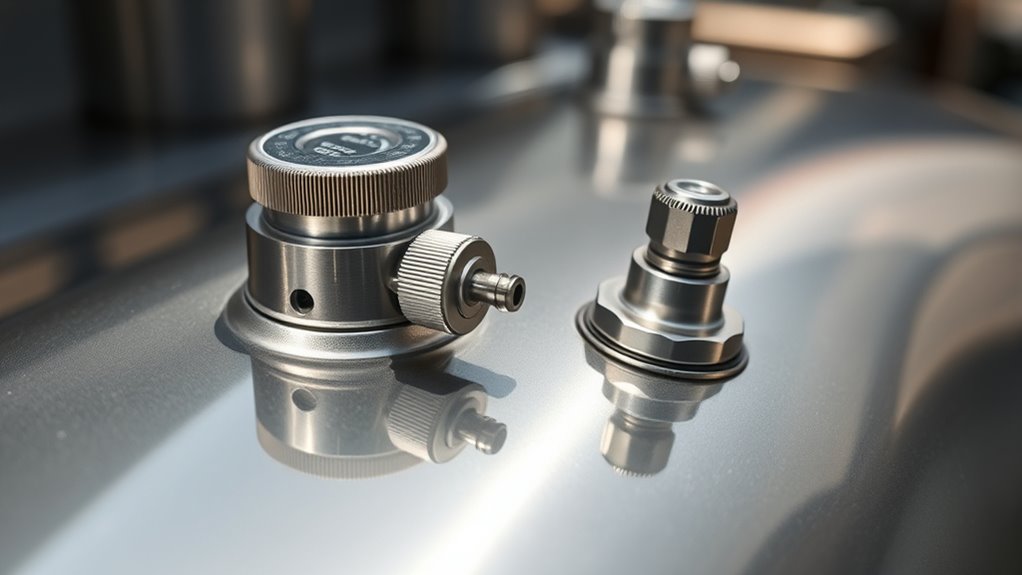
Proper venting and fill requirements are indispensable to guarantee the safe and efficient operation of fuel tanks. When you’re filling a tank, you need to follow specific procedures to prevent overflows, spills, or dangerous pressure buildup. One of the key elements in this process is understanding the importance of pressure relief systems. These systems are designed to prevent excessive pressure from developing inside the tank during filling or operation. If pressure relief isn’t properly installed or maintained, it can lead to tank damage, fuel leaks, or even explosions. That’s why adhering to proper fill procedures is essential. When you fill a tank, you should do so gradually and monitor the process closely. This helps avoid overfilling, which can cause fuel to spill, creating environmental hazards and safety risks. It’s also important to make certain that the fill port and venting system are clear and functioning correctly before starting the process. Venting plays a pivotal role here; it allows air to escape as fuel is added, preventing pressure from building up inside the tank. Proper venting not only facilitates smooth filling operations but also maintains the tank’s structural integrity during use. You should verify that vents are free of obstructions, such as dirt, debris, or snow, and that they’re designed to handle the maximum expected pressure. Some tanks have pressure relief valves that open automatically when pressure surpasses a set limit. Regular inspection and testing of these valves ensure they function correctly, providing a safety mechanism against overpressure scenarios. When you’re filling the tank, always follow the manufacturer’s fill procedures. These instructions typically specify the maximum fill level, recommended fill rates, and venting requirements. Ignoring these guidelines can lead to improper pressure regulation, increased wear on venting components, or fuel spills. During filling, it’s also wise to monitor the pressure gauge if available, and listen for any hissing sounds that might indicate venting issues. Maintaining proper venting and adhering to fill procedures minimizes the risk of accidents, environmental contamination, and equipment failure. Additionally, understanding the role of essential oils can help in creating a safer environment around fuel storage areas by reducing odors and potential microbial growth. It’s your responsibility to make certain all venting components are in good condition and functioning properly before and during filling. Regular maintenance, including cleaning vents and testing pressure relief valves, is critical to make sure your fuel tank operates safely. By following these best practices, you help protect yourself, others, and the environment, while making certain your fuel system remains reliable and compliant with safety standards. Proper venting and fill procedures aren’t just technical requirements—they’re essential steps in responsible fuel management.
Frequently Asked Questions
What Are the Environmental Impacts of Improper Venting?
Improper venting can cause fuel leaks and increase air pollution. When tanks aren’t vented properly, pressure builds up, risking leaks that release harmful vapors into the environment. These vapors contribute to air pollution and can harm nearby ecosystems and human health. You need to guarantee proper venting to prevent fuel leaks and reduce environmental impacts, protecting both the air quality and the surrounding community.
How Do Temperature Changes Affect Fuel Tank Venting?
Imagine a fuel tank as a balloon, expanding with the warmth. When temperatures rise, temperature expansion causes the fuel to create more vapor, increasing vapor pressure inside the tank. This pressure needs to escape through proper venting to prevent leaks or explosions. Conversely, cooler temperatures reduce vapor pressure, so venting systems must accommodate these fluctuations to keep your fuel safe and stable during temperature swings.
Are There Specific Regulations for Venting in Different Industries?
Yes, there are specific regulations for venting across different industries. You need to follow industry standards and compliance regulations to guarantee safety and environmental protection. For example, the petroleum industry has strict venting requirements to prevent leaks and explosions, while the aerospace sector emphasizes venting to avoid pressure buildup. Staying updated on these regulations helps you design systems that meet legal standards and operate safely.
How Can I Test if My Tank’s Venting System Is Working Properly?
Did you know that improper venting can cause tank pressure issues or dangerous vent leaks? To test if your tank’s venting system works properly, you should perform a pressure test by sealing the tank and monitoring pressure levels over time. If pressure drops unexpectedly or you notice vent leaks, it indicates a problem. Regular inspections and tests help make certain your venting system functions correctly, preventing safety hazards.
What Are Common Signs of Venting System Failure?
If your venting system fails, you’ll notice a strong fuel odor and pressure buildup in your tank. You might also see fuel leaks or experience difficulty fueling, as excess pressure can prevent proper filling. These signs indicate the vent isn’t releasing vapors correctly, which could be dangerous. It’s essential to inspect and repair your venting system promptly to avoid potential hazards and guarantee safe, efficient fuel storage.
Conclusion
By understanding venting and fill requirements, you guarantee your fuel tanks operate safely and efficiently. Proper venting prevents pressure buildup, while correct fill procedures reduce spills and hazards. Remember, it’s better to be safe than sorry—cutting corners can lead to bigger problems down the road. Stay vigilant, follow guidelines closely, and you’ll keep your fuel system running smoothly. When it comes to fuel tanks, it’s always best to dot your i’s and cross your t’s.
Fall Picks
fall essentials
As an affiliate, we earn on qualifying purchases.