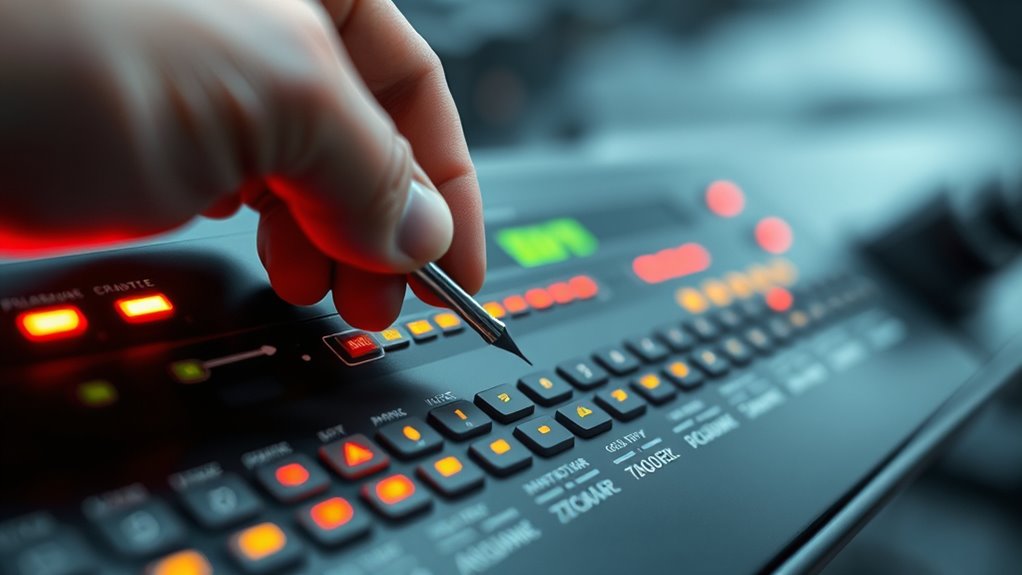
When troubleshooting control panel alarms, start by listening carefully to the alarm signals and checking the display for error codes or messages. These codes help you identify the problem, such as overheating or electrical faults. Always guarantee safety before resetting the panel, and follow manufacturer instructions for a proper reset. If alarms persist, inspect wiring, sensors, and environmental factors. Keep detailed notes to help with repairs—more tips can guide you through resolving these issues effectively.

Get backup power and energy gear delivered free with Prime
- Fast, free delivery on millions of items
- Prime Video, Amazon Music and more included
- Member-only deals all year
Key Takeaways
- Identify alarm signals by listening for specific tones or patterns and check the control panel for corresponding error codes or messages.
- Consult the system manual or troubleshooting guide to interpret error codes and determine the root cause of the alarm.
- Ensure system safety before resetting the control panel, then follow manufacturer instructions to perform a reset.
- Inspect wiring, sensors, and environmental factors to address persistent or false alarms, using diagnostic tools if necessary.
- Prioritize safety, systematically investigate components, and document steps taken during troubleshooting for future reference.

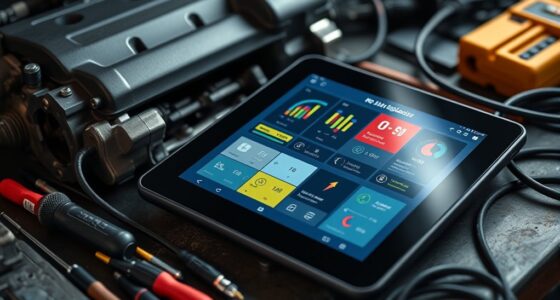
When a control panel alarm sounds, it signals that something needs your immediate attention to prevent potential system failure or damage. That alarm sound is your prompt to investigate and resolve the issue quickly. The first step is to identify the cause of the alarm. Often, the control panel will display an error code or message to guide you. Listen carefully to the alarm sound—different tones or patterns can indicate specific problems, such as overheating, electrical faults, or sensor malfunctions. Once you’ve noted the alarm details, you should consult the system’s manual or troubleshooting guide to interpret the error code or message accurately.
When a control panel alarms, identify the cause and check error codes to troubleshoot effectively.
After understanding the root cause, your next move is to address the problem. Many alarms are triggered by minor issues that can be resolved with a panel reset. Before resetting, ensure that the system is safe to work on—turn off power if necessary, especially if you suspect electrical faults. To perform a panel reset, locate the reset button or switch on your control panel. Sometimes, a simple press or toggle restores normal operation after clearing the alarm. If your system requires more advanced reset procedures, follow the manufacturer’s instructions carefully to avoid further complications. Remember, resetting the panel without fixing the underlying issue can lead to recurring alarms or more serious damage.
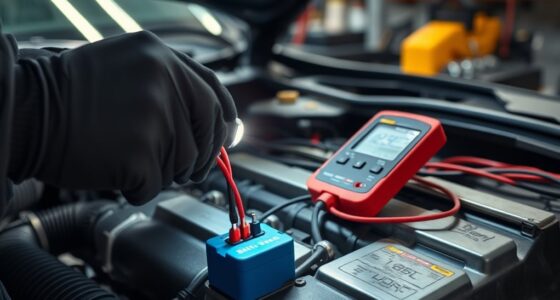
If resetting the panel doesn’t clear the alarm or if the alarm sound persists even after a reset, you’ll need to dig deeper. Check for loose connections, damaged wiring, or faulty sensors that could be triggering false alarms. Use diagnostic tools if available, such as a multimeter, to verify electrical integrity. It’s also wise to inspect for environmental factors like dust, moisture, or temperature extremes that might affect system performance. Sometimes, alarms are triggered by external issues rather than internal faults, so consider the operational environment. Additionally, understanding the benefits of raw food, such as enhanced nutrient absorption and improved digestive health, can help ensure your system runs optimally by maintaining proper calibration and functioning.
Throughout this troubleshooting process, documenting each step is essential. Note the alarm sound patterns, error codes, actions taken, and any changes observed. This record can be invaluable if you need to escalate the issue to a professional or if similar alarms occur in the future. Remember, safety always comes first—never attempt repairs that you’re not qualified for, and disconnect power before working on the control panel if there’s any doubt. By systematically investigating the alarm sound, performing a panel reset when appropriate, and carefully checking system components, you can resolve most alarms efficiently and keep your system running smoothly.
Frequently Asked Questions
How Can I Reset a Control Panel Alarm Manually?
To manually reset a control panel alarm, first follow the alarm reset procedures specific to your system, which often involve pressing the reset button or entering a reset command. Use manual override techniques if necessary to temporarily bypass the alarm condition. Confirm the cause of the alarm is addressed before resetting to prevent future issues. Always consult your control panel’s manual for precise steps tailored to your device.
Are There Specific Tools Required for Alarm Diagnostics?
Think of alarm diagnostics as tuning a fine instrument—you’ll need the right tools to hit the right notes. For alarm signal analysis, specialized diagnostic tools are your keys, ensuring compatibility with your control panel. These tools help you decode the alarm’s message and pinpoint issues swiftly. Without the right gear, you risk missing critical signals or misinterpreting faults, so always verify diagnostic tool compatibility before diving into troubleshooting.
What Is the Typical Lifespan of Control Panel Components?
You can expect control panel components to last around 5 to 10 years, depending on their quality and usage. Component durability varies, so regular maintenance helps prolong their lifespan. Replacement intervals depend on factors like environmental conditions and operational stress. Keep an eye on signs of wear or malfunction, and plan for timely replacements to ensure your system remains reliable and efficient. Proper care maximizes component durability and reduces unexpected failures.
Can Software Updates Fix Alarm Issues?
Yes, software updates can fix alarm issues by addressing software bugs that may cause false alarms or malfunctions. When you update your control panel software, you improve update compatibility, ensuring it works smoothly with your system. Keep your software current to benefit from bug fixes and enhancements, reducing false alarms and improving overall reliability. Regular updates help maintain peak performance and prevent potential alarm-related problems.
How Do Environmental Factors Influence Alarm Activation?
Environmental interference and ambient conditions can dramatically trigger alarm activation, almost like setting off a firework display! Extreme temperatures, humidity, dust, or vibrations can fool your control panel into thinking there’s a problem. These factors interfere with sensors and electronics, causing false alarms or missed warnings. To keep alarms accurate, you need to monitor and control environmental factors, ensuring your system functions perfectly without false triggers caused by unpredictable surroundings.
Conclusion
Now that you’ve learned how to identify and troubleshoot control panel alarms, you’re better equipped to handle unexpected issues. But remember, not every alarm is straightforward—some signals hint at deeper problems lurking beneath the surface. Will you catch the subtle clues before they escalate? Stay vigilant, keep your skills sharp, and don’t overlook the smallest warning signs. The next alarm could reveal something critical—are you prepared to face what’s next?
Halloween Picks
halloween
As an affiliate, we earn on qualifying purchases.