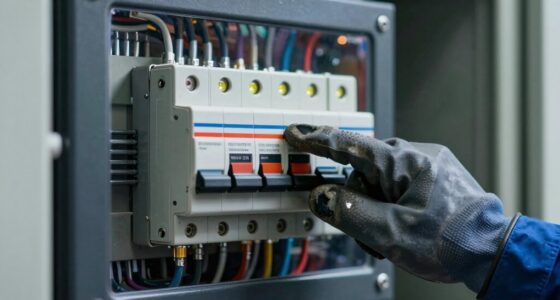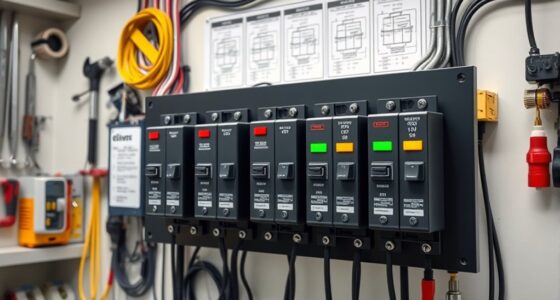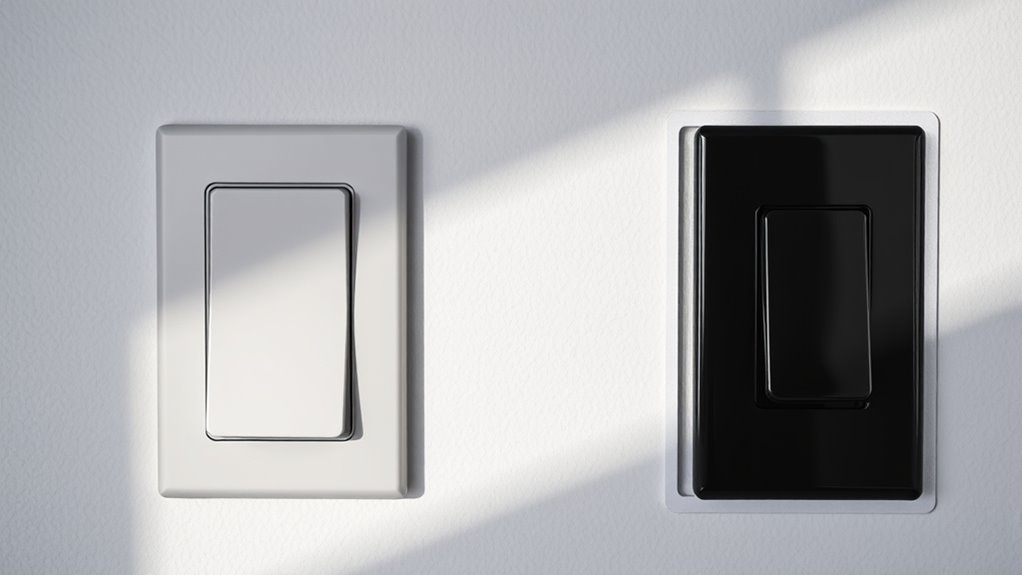

Switch neutral wiring connects the neutral wire directly to the switch, making installation easier and ideal for modern smart switches that need a constant power source. Solid neutral wiring involves running a separate neutral wire from the breaker panel, which can be more complicated and common in older homes. Safety and grounding are key considerations for both setups. To understand the pros, cons, and safety tips, keep exploring these options further.

Get backup power and energy gear delivered free with Prime
- Fast, free delivery on millions of items
- Prime Video, Amazon Music and more included
- Member-only deals all year
Key Takeaways
- Switch neutral wiring connects the neutral directly through the switch, simplifying modern smart device installation.
- Solid neutral wiring runs a dedicated neutral wire from the main panel, common in older homes or limited wiring setups.
- Switch neutral setups improve grounding safety and are more compatible with smart switches requiring constant power.
- Solid neutral wiring can complicate troubleshooting and may pose grounding issues if not properly installed.
- Confirming wiring type and compliance with electrical codes is essential, and consulting an electrician is recommended for safety.
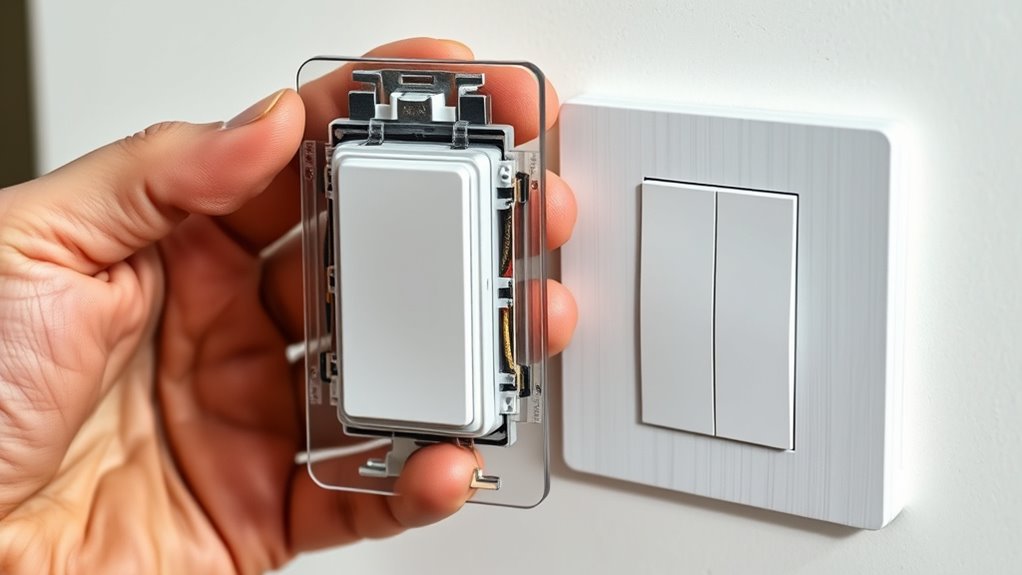
When choosing wiring options for switches, understanding the difference between switch neutral and solid neutral wiring is essential. This knowledge helps you decide which setup best fits your electrical needs and guarantees safe, reliable operation. If you’re installing a wireless switch, knowing how the neutral wiring functions is especially important, since wireless controls often rely on a proper neutral connection to power their internal components. A switch neutral wiring means the neutral wire is connected directly to the switch itself, allowing it to maintain a continuous circuit. This setup can simplify wiring, especially when dealing with devices that require constant power, like smart switches. It also minimizes the risk of grounding issues since the neutral is properly grounded through the main panel, reducing potential electrical hazards. Proper grounding and adherence to electrical codes are crucial to ensure safety when working with neutral wiring configurations.
On the other hand, solid neutral wiring involves running a dedicated neutral wire from the main panel directly to the device, bypassing the switch. This setup is common in older homes or situations where wiring is limited, but it can introduce complications. For example, if the neutral wire isn’t properly grounded or if there are grounding issues elsewhere in your electrical system, it can lead to unpredictable behavior or even electrical shocks. When using a wireless switch with a solid neutral, you’ll want to double-check that the wiring is correct and grounded properly, because any grounding issues could interfere with the switch’s operation or pose safety risks.
The main difference between switch neutral and solid neutral wiring is how the neutral path is established. With switch neutral wiring, the neutral runs through the switch, providing power continuously to devices that need it, like smart switches. This method is generally safer and more reliable, especially for wireless switches, which need a steady power source to connect to Wi-Fi or other networks. Conversely, solid neutral wiring keeps the neutral wire separate from the switch, which may be more common in older wiring setups but can complicate troubleshooting and increase grounding issues if not done correctly. Additionally, understanding the mind-body connection in electrical wiring can help identify potential safety issues before they occur.
Your choice should consider safety, compatibility, and future-proofing. Switch neutral wiring tends to be more adaptable for modern smart devices and reduces grounding concerns, but it might require rewiring if your current system doesn’t support it. Solid neutral wiring can work well in existing systems but demands careful inspection to avoid grounding issues. Always confirm your wiring is up to code and consult an electrician if you’re unsure, especially when dealing with neutral wiring configurations for wireless switches. Proper grounding and correct wiring are key to preventing electrical hazards and ensuring your switches operate smoothly.
Frequently Asked Questions
Can Switch Neutral Wiring Affect Overall Electrical Safety?
Switch neutral wiring can affect your electrical safety if it causes grounding issues or wiring compatibility problems. When the neutral isn’t properly connected or switches are used incorrectly, it can lead to electrical shocks or short circuits. Always make certain your wiring matches the system requirements and that switches are installed correctly. Properly maintained switch neutral wiring helps prevent grounding issues, keeping your electrical system safe and reliable.
Are Solid Neutrals More Prone to Damage Than Switch Neutrals?
Are solid neutrals more prone to damage than switch neutrals? Think of neutral wiring as the backbone of your electrical grounding system—it’s generally more robust but can still suffer wear over time. Solid neutrals are less flexible and more susceptible to physical damage from bending or pinching, unlike switch neutrals, which are often more protected in their wiring paths. Regular inspection can help prevent costly repairs and guarantee safety.
Which Neutral Type Is Easier to Troubleshoot for Homeowners?
You’ll find solid neutrals easier to troubleshoot because they generally have simpler wiring and fewer connections, reducing troubleshooting difficulty. Switch neutrals can be more complex due to additional wiring and potential connection issues, making it harder for you to identify problems quickly. With solid neutrals, you can often pinpoint issues faster, saving you time and effort during troubleshooting. Overall, solid neutrals are more straightforward for homeowners to diagnose and fix.
Do Switch Neutrals Comply With Modern Electrical Codes?
You might be surprised, but switch neutrals can conform to modern electrical codes, especially when wiring compatibility and grounding safety are properly maintained. Code updates emphasize proper grounding and safe wiring practices, making switch neutrals acceptable if installed correctly. Always guarantee your wiring setup meets local regulations and safety standards, as a correctly installed switch neutral can provide safe grounding and reliable operation, aligning with current electrical codes.
How Does Neutral Type Impact Circuit Breaker Performance?
Your choice of neutral type directly impacts circuit breaker performance by affecting grounding safety and circuit stability. Solid neutrals tend to provide more consistent grounding, reducing the risk of faults, while switch neutrals might introduce variability. This stability guarantees your circuit breaker operates correctly during overloads or short circuits, protecting your system. Selecting the right neutral type ensures safety, reliable operation, and compliance with electrical standards.
Conclusion
Choosing between switch neutral and solid neutral isn’t just about wiring—it’s about safety and reliability. While switch neutral offers flexibility and easier troubleshooting, solid neutral provides simplicity and durability. Think of it like a delicate balance: one’s versatility, the other’s strength. Ultimately, understanding these differences helps you make an informed choice, ensuring your electrical system stays safe and efficient. After all, it’s not just about wiring; it’s about peace of mind.
Fall Picks
fall essentials
As an affiliate, we earn on qualifying purchases.