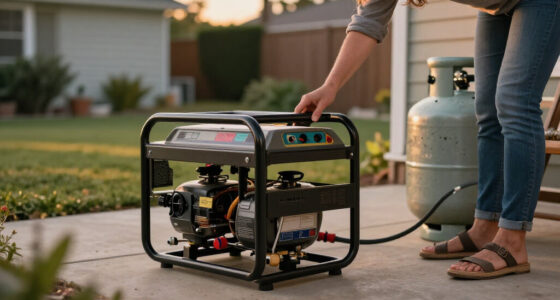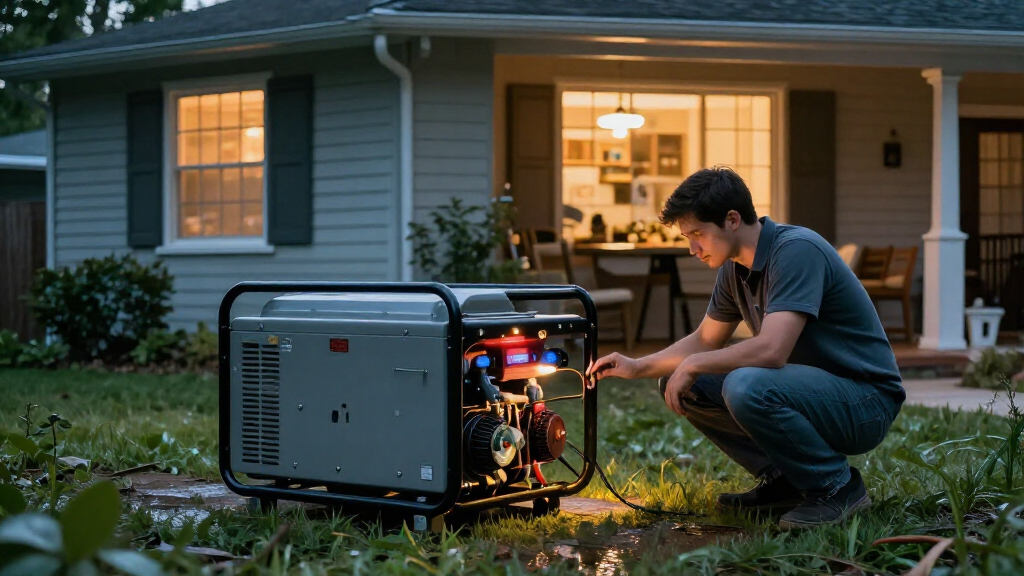

Automatic standby generators start when utility power fails, but the right size and transfer-switch setup depend on what you want to keep running. From the models in this roundup, I’d name the Generac 22 kW Whole-Home Standby Generator with Cellular Connectivity the best overall starting point for its middle-of-the-line capacity; the 28 kW models stand out for larger loads, while the 10 kW models suit buyers prioritizing a smaller backup plan. The main tradeoff is between generator capacity and the cost and complexity of supporting a larger electrical load, with transfer-switch inclusion adding another key distinction. Cellular connectivity appears across the lineup, but it does not replace proper sizing, installation, or service planning. Read on for how the models compare and which configuration best fits your home.

Get backup power and energy gear delivered free with Prime
- Fast, free delivery on millions of items
- Prime Video, Amazon Music and more included
- Member-only deals all year
Complete the kit


Key Takeaways
- 22 kW is the lineup’s practical middle ground: it sits between the smaller 10 and 14 kW options and the larger 24–28 kW units, making it a sensible starting point for buyers who have not yet established a precise load requirement.
- The 28 kW models are the capacity leaders: choose between the version with a transfer switch and cellular monitoring and the cellular-connectivity version based on what equipment is included and confirmed in the listing.
- Transfer-switch inclusion changes the purchasing task: several models name a switch in the product title, while others do not; verify the exact package rather than assuming a similarly sized unit includes one.
- 10 kW models prioritize a more limited backup plan: they may fit buyers targeting selected essentials, but they should not be treated as whole-home solutions without a load assessment.
- Capacity is a clearer differentiator than connectivity here: cellular monitoring appears throughout the lineup, so sizing, switch configuration, installation requirements, and service access should drive the comparison.


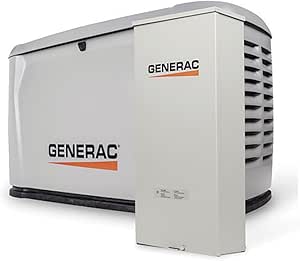
| automatic standby generator | Voltage | Weight | Fuel | Dimensions |
|---|---|---|---|---|
| Generac 22 kW Whole-Home Stand | 240 volts | 451 pounds | Natural gas or propane | 46.4 × 26.3 × 30.7 inches |
| Generac 28 kW Whole-Home Stand | 240 volts | 524 pounds | Natural gas or propane | 46.4 × 26.3 × 30.7 inches |
| Generac 14 kW Whole-Home Stand | 240 volts | 391 pounds | Natural gas or LP | 46.4 × 26.3 × 30.7 inches |
| Generac 10 kW Whole-Home Stand | 120 volts | 344 pounds | Natural gas or propane | 46.3 × 24.6 × 30.7 inches |
| Generac 10 kW Whole-Home Stand | 120 volts | 384 pounds | Liquefied petroleum gas or natural gas | 47.3 × 25.6 × 30.7 inches |
| Generac 28 kW Whole Home Stand | 240 volts | 524 pounds | LP or natural gas | 46.4 × 26.3 × 30.7 inches |
| Generac 22 kW Whole-Home Stand | 240 volts | 451 pounds | Natural gas or liquefied petroleum gas | — |
| Generac 18 kW Whole-Home Stand | 240 volts | 426 pounds | LP or natural gas | 46.4 × 26.3 × 30.7 inches |
| Generac 18 kW Whole-Home Stand | 240 volts | 426 pounds | Natural gas or propane | 46.4 × 26.3 × 30.7 inches |
| Generac 26 kW Whole-Home Stand | 240 volts | 524 pounds | — | 46.4 × 26.3 × 30.7 inches |
| Generac 24 kW Whole-Home Stand | 240 volts | 461 pounds | Propane or natural gas | 46.4 x 26.3 x 30.7 inches |
More Details on Our Top Picks
Generac 22 kW Whole-Home Standby Generator with Cellular Connectivity
I’d put this 22 kW model at the center of the lineup for homeowners seeking substantial automatic backup without moving to the heavier 28 kW unit. It detects an outage and runs on natural gas or propane, while built-in cellular connectivity adds remote monitoring through the Mobile Link app. Those monitoring and control features require a premium subscription, so the cellular hardware does not mean every app function is included at no extra cost. Cold-start improvements, oil-level sensors, and a sloped roof with a rear intake address readiness in poor weather. Compared with the 14 kW Generac, this offers more output headroom; compared with the 28 kW model, it weighs less, though 451 pounds still calls for professional handling and installation.
Pros:- Automatically detects utility outages and starts residential backup power.
- 22 kW output offers more capacity than the 14 kW model in this lineup.
- Natural gas or propane compatibility provides fuel flexibility.
- Cold-start improvements, oil sensors, and weather-conscious enclosure details support readiness.
Cons:- Remote monitoring and control require a Mobile Link premium subscription.
- At 451 pounds, delivery, placement, and installation require planning.
Best for: Homeowners who want a high-capacity automatic standby generator for broad household backup and value cellular monitoring.
Not ideal for: Buyers with limited installation access or smaller backup needs who would rather avoid a 451-pound unit and its larger capacity.
- Power output:22 kW
- Fuel:Natural gas or propane
- Voltage:240 volts
- Frequency:60 hertz
- Weight:451 pounds
- Dimensions:46.4 × 26.3 × 30.7 inches
- Warranty:5-year limited warranty
Our verdict“Choose this 22 kW model for a strong balance of household capacity, dual-fuel operation, and connected monitoring, provided its weight and subscription costs suit your plans.”
Generac 28 kW Whole-Home Standby Generator with Cellular Connectivity
When backup capacity takes priority over a smaller footprint, this 28 kW generator is the strongest fit among the five. Automatic outage detection, natural gas or propane operation, and cellular connectivity give it the same core standby and monitoring approach as the 22 kW model, but with a higher stated output. That extra capacity may suit households with greater simultaneous electrical demands; actual system sizing still depends on the home and its loads. The tradeoff is substantial: at 524 pounds, it is the heaviest option here, despite sharing the 22 kW model’s listed enclosure dimensions. Like that smaller Generac, Mobile Link remote monitoring and control require a premium subscription. I’d favor the 22 kW instead when its capacity is sufficient and reducing handling demands matters more.
Pros:- 28 kW output is the highest among the five products reviewed here.
- Automatically detects outages and starts backup power.
- Runs on natural gas or propane.
- Cold-start improvements and oil-level sensors support readiness.
Cons:- At 524 pounds, it is the heaviest model in this batch.
- Mobile Link remote monitoring and control require a premium subscription.
Best for: Households with high electrical loads seeking the greatest stated output in this five-generator selection.
Not ideal for: Owners with modest backup needs, tight equipment access, or a preference for a lighter generator; the 22 kW model may be a better fit.
- Running output:28 kW
- Starting output:28,000 watts
- Fuel:Natural gas or propane
- Voltage:240 volts
- Frequency:60 hertz
- Weight:524 pounds
- Dimensions:46.4 × 26.3 × 30.7 inches
- Warranty:5-year limited warranty
Our verdict“Pick the 28 kW model when your planned household loads call for its higher output and you can accommodate its weight and subscription-based app features.”
Generac 14 kW Whole-Home Standby Generator with Automatic Transfer Switch and Cellular Connectivity
This is the clearest pick for buyers who want a specified transfer-switch setup bundled with a more restrained 14 kW output. Its included automatic 200-amp transfer switch is a meaningful distinction from the 22 kW and 28 kW products listed here, whose supplied descriptions do not specify an included switch. That can make this package easier to evaluate as a system, though a qualified installer should confirm it matches the home’s service and backup plan. Compared with the 10 kW Generac with a 16-circuit switch, this model has more stated output and a different switch specification. It is still a heavy unit at 391 pounds, and cellular monitoring or maintenance alerts require a premium subscription, so its lower capacity does not make installation or ongoing app access effortless.
Pros:- Includes an automatic 200-amp transfer switch.
- Automatically starts when utility power fails.
- Natural gas or LP fuel compatibility supports different home fuel setups.
- Cellular connectivity and cold-start features support remote oversight and readiness.
Cons:- 14 kW output is lower than the 22 kW and 28 kW models in this batch.
- Remote monitoring and maintenance alerts require a Mobile Link premium subscription.
- Weighs 391 pounds, making delivery and placement a substantial installation task.
Best for: Homeowners who want a 14 kW standby generator with a specified automatic 200-amp transfer switch and a planned, moderate backup load.
Not ideal for: Buyers who need higher stated capacity for many simultaneous loads or want remote app features without a premium subscription.
- Output:14 kW
- Fuel:Natural gas or LP
- Voltage:240 volts
- Frequency:60 hertz
- Transfer switch:Automatic 200 amp
- Weight:391 pounds
- Dimensions:46.4 × 26.3 × 30.7 inches
Our verdict“Choose this package if the 14 kW output fits your load plan and you want a specified 200-amp automatic transfer switch included.”
Generac 10 kW Whole-Home Standby Generator with Cellular Connectivity
Among these options, this 10 kW model suits buyers who want automatic standby operation but do not need the higher output of the 14, 22, or 28 kW Generac units. It runs on natural gas or propane and includes cellular monitoring, cold-start support, and oil-level sensors. At 344 pounds, it is the lightest product in this batch, a relative advantage for handling and placement, though it remains a substantial permanent installation. The listed 120-volt specification also differs from the 240-volt ratings on the larger models, so buyers should confirm electrical compatibility and sizing with an installer rather than assume it covers the same loads. App monitoring and control require a premium subscription. This is a capacity-conscious choice, not a substitute for load planning.
Pros:- At 344 pounds, it is lighter than the other four generators reviewed here.
- Automatically detects outages and starts residential backup power.
- Runs on natural gas or propane.
- Oil-level sensors and cold-start support help maintain readiness.
Cons:- 10 kW output is lower than the 14, 22, and 28 kW alternatives.
- Mobile Link remote monitoring and control require a premium subscription.
- Listed at 120 volts, so electrical compatibility should be checked for the intended installation.
Best for: Homeowners with a defined, limited backup-load plan who want automatic operation and cellular monitoring in the lightest unit in this batch.
Not ideal for: Households seeking greater capacity or buyers who have not confirmed that a 10 kW, 120-volt listing fits their electrical and backup requirements.
- Power output:10,000 watts
- Running wattage:10,000 watts
- Fuel:Natural gas or propane
- Voltage:120 volts
- Weight:344 pounds
- Dimensions:46.3 × 24.6 × 30.7 inches
- Warranty:5-year limited warranty
Our verdict“Consider this lighter 10 kW option if a professional load plan confirms its capacity and voltage fit your home’s backup needs.”
Generac 10 kW Whole-Home Standby Generator with Transfer Switch and Cellular Connectivity
The main reason to choose this 10 kW package over the other 10 kW Generac here is its specified automatic 16-circuit transfer switch. That makes it a better match for homeowners who want to define backup around selected circuits rather than assume broad whole-home coverage. It shares the other model’s 10,000-watt output, natural gas or LP compatibility, cellular connection, and subscription requirement for Mobile Link remote monitoring and control. Compared with the 14 kW Generac with a 200-amp switch, it offers less output and a circuit-count-based switch specification; the right choice depends on the home’s electrical setup and the loads to be backed up. At 384 pounds, it is also 40 pounds heavier than the other 10 kW option, despite its similar capacity.
Pros:- Includes an automatic 16-circuit transfer switch.
- Automatically detects power loss and starts backup power.
- Runs on natural gas or liquefied petroleum gas.
- Cellular connectivity, cold-start support, and oil-level sensors support monitoring and readiness.
Cons:- 10 kW output is below the 14, 22, and 28 kW options in this batch.
- At 384 pounds, it is heavier than the other 10 kW model.
- Mobile Link remote monitoring and control require a premium subscription.
Best for: Homeowners who want a 10 kW generator package with a specified automatic 16-circuit transfer switch for a planned set of backup circuits.
Not ideal for: Buyers who need more than 10 kW of stated output, want the lighter 10 kW model, or need to back up loads beyond a 16-circuit plan.
- Output:10,000 watts
- Fuel:Liquefied petroleum gas or natural gas
- Voltage:120 volts
- Frequency:60 hertz
- Transfer switch:Automatic 16-circuit
- Connectivity:Built-in cellular; Mobile Link premium subscription required
- Weight:384 pounds
- Dimensions:47.3 × 25.6 × 30.7 inches
- Warranty:5-year limited warranty
Our verdict“Choose this package over the other 10 kW model when its automatic 16-circuit switch matches your backup plan and you accept the added weight.”
Generac 28 kW Whole Home Standby Generator with Transfer Switch and Cellular Monitoring
I’d put this 28 kW model first for households that need more capacity than the 22 kW and 26 kW options provide. Its output gives larger homes more room to support multiple electrical demands during an outage, though actual coverage depends on the home’s loads and installation. Automatic outage detection and a transfer switch make backup power hands-off once the system is installed, while cold-start support and oil-level monitoring address readiness rather than adding capacity. Built-in cellular monitoring can help owners check status remotely, but app monitoring requires a Mobile Link premium subscription. At 524 pounds, it is a substantial installation, and it needs an LP or natural-gas connection; it is not a portable or fuel-flexible solution for homes without those supplies.
Pros:- 28 kW output is the highest among these five models
- Automatically detects outages and starts supplying backup power
- Cellular monitoring, oil-level monitoring, and cold-start support aid readiness
- Includes a 5-year limited warranty
Cons:- Mobile Link app monitoring requires a premium subscription
- Requires an LP or natural-gas fuel connection
- At 524 pounds, it calls for substantial delivery and installation planning
Best for: Owners of larger homes with substantial electrical loads who want automatic backup and can connect the unit to an LP or natural-gas supply.
Not ideal for: Smaller households with modest backup needs, or homes without a suitable LP or natural-gas connection and space for a heavy standby unit.
- Output:28 kW
- Fuel:LP or natural gas
- Voltage:240 volts
- Transfer switch:Included
- Connectivity:Built-in cellular; Mobile Link premium subscription required for app monitoring
- Weight:524 pounds
- Dimensions:46.4 × 26.3 × 30.7 inches
- Warranty:5-year limited warranty
Our verdict“Choose this model over the 22 kW or 26 kW Generac if your home’s backup demands justify its higher output and installation footprint.”
Generac 22 kW Whole-Home Standby Generator with Transfer Switch and Cellular Connectivity
The 22 kW Generac is the middle ground in this group: it offers more output than either 18 kW model without the greater capacity and 524-pound weight of the 26 kW and 28 kW choices. Its 200-amp automatic transfer switch supports automatic changeover when utility power fails, which suits buyers seeking a permanent home system rather than a manually started backup. It runs on natural gas or LP and adds cellular monitoring and control, though those Mobile Link features require a premium subscription. Compared with the 18 kW models, this one gives buyers more stated capacity, but it still weighs 451 pounds and may exceed the needs of a smaller home. I’d match the output to a qualified load assessment rather than assume it can run every appliance at once.
Pros:- 22 kW output sits between the 18 kW and higher-capacity models
- Includes a 200-amp automatic transfer switch
- Runs on natural gas or LP
- Cellular monitoring and control plus oil-level and cold-start features
Cons:- Mobile Link remote features require a premium subscription
- Weighs 451 pounds, making installation logistics a significant factor
- More capacity may be unnecessary for smaller homes
Best for: Homeowners seeking a middle-capacity automatic system with a 200-amp transfer switch and access to natural gas or LP.
Not ideal for: Owners with low backup loads who would be better served by an 18 kW unit, or buyers unwilling to pay for app monitoring.
- Power output:22 kW
- Fuel:Natural gas or liquefied petroleum gas
- Voltage:240 volts
- Frequency:60 hertz
- Transfer switch:200-amp automatic
- Connectivity:Built-in cellular; Mobile Link premium subscription required
- Weight:451 pounds
- Warranty:5-year limited warranty
Our verdict“Pick the 22 kW model if the 18 kW options seem undersized but you do not need the added output of the 26 kW or 28 kW units.”
Generac 18 kW Whole-Home Standby Generator with 200-Amp Transfer Switch and Cellular Connectivity
This 18 kW model earns a distinct place for its sloped roof and rear intake, details intended to help limit snow or ice intrusion. That makes it a more weather-aware choice than the similarly sized Generac 18 kW model without a stated 200-amp transfer switch in its supplied specs. It pairs 18 kW output with a 200-amp transfer switch, cellular connectivity, and automatic outage response, giving a household a permanent system without stepping up to the 22 kW model. The tradeoff is capacity: buyers with larger loads may prefer the 22 kW or 26 kW Generac instead. Remote monitoring and control also require a Mobile Link premium subscription, and the unit still needs an existing LP or natural-gas supply. I’d treat the weather-oriented design as a useful detail, not a substitute for proper siting and installation.
Pros:- Sloped roof and rear intake help reduce snow or ice intrusion
- Includes a 200-amp transfer switch
- Automatically detects outages and starts backup power
- Oil-level sensors, cold-start features, and cellular connectivity support readiness and monitoring
Cons:- 18 kW output may not suit homes with high simultaneous loads
- Mobile Link remote features require a premium subscription
- Requires an existing LP or natural-gas supply
Best for: Homeowners in snowy or icy areas who want an 18 kW automatic standby system with a 200-amp transfer switch.
Not ideal for: Homes with heavier electrical loads that may need the 22 kW or higher models, or properties without LP or natural gas.
- Output:18 kW
- Fuel:LP or natural gas
- Voltage:240 volts
- Transfer switch:200 amp
- Connectivity:Built-in cellular; Mobile Link premium subscription required for remote monitoring
- Enclosure details:Sloped roof and rear intake
- Weight:426 pounds
- Dimensions:46.4 × 26.3 × 30.7 inches
Our verdict“Choose this 18 kW version over the other listed 18 kW Generac when its stated 200-amp transfer switch and snow-conscious enclosure design matter to your installation.”
Generac 18 kW Whole-Home Standby Generator with Cellular Connectivity
I’d steer buyers toward this 18 kW model when a load assessment points to moderate backup needs and there is little reason to move up to the 22 kW unit. It automatically detects an outage, runs on natural gas or propane, and offers cellular monitoring and control. The listed features also include automatic idle control and overload protection, alongside oil-level sensors and cold-start improvements. Compared with the other 18 kW Generac in this batch, the B0FM5WP9MN explicitly lists a 200-amp transfer switch and a snow-oriented roof and intake; those details are not specified here, so I would verify transfer-switch arrangements before choosing this version. Its 426-pound weight and subscription requirement for remote updates and alerts remain practical drawbacks.
Pros:- Automatically detects outages and starts backup power
- Runs on natural gas or propane
- Includes automatic idle control and overload protection
- Oil-level sensors, cold-start improvements, and built-in cellular connectivity
Cons:- Mobile Link remote updates and alerts require a premium subscription
- Transfer switch details are not specified in the provided product data
- At 426 pounds, it requires planning for delivery and installation
Best for: Homeowners with moderate backup loads who want an 18 kW natural-gas or propane unit and value overload protection and automatic idle control.
Not ideal for: Buyers who need a specified 200-amp transfer switch in the package, or households whose loads call for more capacity than 18 kW.
- Running output:18 kW
- Fuel:Natural gas or propane
- Voltage:240 volts
- Frequency:60 Hz
- Connectivity:Built-in cellular; Mobile Link premium subscription required for remote updates and alerts
- Features:Automatic idle control, overload protection, fully enclosed design
- Weight:426 pounds
- Dimensions:46.4 × 26.3 × 30.7 inches
Our verdict“Choose this model for moderate household backup needs when its stated protection features matter more than the other 18 kW option’s specified transfer-switch and enclosure details.”
Generac 26 kW Whole-Home Standby Generator with 200-Amp Transfer Switch and Cellular Connectivity
The 26 kW Generac is the high-output alternative for buyers who want more stated capacity than the 22 kW model but do not need the 28 kW unit’s maximum output in this group. Its 200-amp transfer switch and automatic outage response make it a clearly specified whole-home setup, while propane or natural-gas compatibility offers a choice based on the property’s fuel supply. Oil-level monitoring, cold-start support, and built-in cellular connectivity add readiness and remote-checking features. The tradeoffs are similar to the 28 kW model: both weigh 524 pounds, need a permanent fuel connection, and require a Mobile Link premium subscription for remote control and monitoring. I’d choose this over the 28 kW option when the lower output better matches the home’s assessed loads.
Pros:- 26 kW output exceeds the 22 kW model while remaining below the 28 kW option
- Includes a 200-amp transfer switch
- Accepts propane or natural gas
- Oil-level monitoring, cold-start support, and cellular connectivity
Cons:- Mobile Link remote monitoring and control require a premium subscription
- Weighs 524 pounds
- Requires a permanent propane or natural-gas fuel connection
Best for: Owners of larger homes who want more capacity than 22 kW, a 200-amp transfer switch, and propane or natural-gas operation.
Not ideal for: Smaller homes with lower loads, buyers seeking a lighter installation, or owners who do not want subscription-based remote monitoring.
- Output:26 kW
- Fuel compatibility:Propane or natural gas
- Voltage:240 volts
- Transfer switch:200 amp
- Connectivity:Built-in cellular; Mobile Link premium subscription required for remote monitoring and control
- Weight:524 pounds
- Dimensions:46.4 × 26.3 × 30.7 inches
- Warranty:5-year limited warranty
Our verdict“Pick the 26 kW model over the 22 kW unit for higher assessed household loads, or over the 28 kW model when its output is sufficient.”
Generac 24 kW Whole-Home Standby Generator with Transfer Switch and Cellular Connectivity
I’d choose this 24 kW model for a home that needs more backup capacity than the 18 kW options without stepping up to the 26 kW or 28 kW models. It automatically starts when utility power fails, and its 200-amp automatic transfer switch handles the changeover without requiring someone to connect a portable unit. Propane or natural gas operation gives homeowners fuel flexibility, while cold-start support and oil-level sensors help with readiness. Built-in cellular connectivity adds remote monitoring and control, but using the Mobile Link app requires a premium subscription, an ongoing cost to factor into the choice. At 461 pounds, this is also a substantial installation, not a portable backup option. I’d pick it over the 22 kW models when the extra capacity matters, but choose a larger unit if the home’s planned load calls for it.
Pros:- Automatically starts when utility power is lost
- 24 kW output provides more residential backup capacity than the 18 kW and 22 kW models
- Includes a 200-amp automatic transfer switch
- Built-in cellular connectivity, cold-start support, and oil-level sensors support remote monitoring and readiness
Cons:- Mobile Link app monitoring and control require a premium subscription
- At 461 pounds, it requires a substantial, permanently installed setup
- Its capacity may be more than needed for homes with limited backup loads
Best for: Homeowners seeking automatic whole-home backup with a 200-amp transfer switch and more capacity than the 18 kW or 22 kW options.
Not ideal for: Owners with modest backup needs, limited installation space, or no interest in paying for a premium subscription to use app monitoring and control.
- Running wattage:24 kW
- Starting wattage:24,000 watts
- Fuel:Propane or natural gas
- Transfer switch:200-amp automatic
- Voltage:240 volts
- Connectivity:Built-in cellular; Mobile Link app monitoring and control require a premium subscription
- Dimensions:46.4 x 26.3 x 30.7 inches
- Weight:461 pounds
- Warranty:5-year limited
Our verdict“Choose this model for automatic residential backup with a 200-amp switch and a capacity step above the 22 kW units, provided its installation demands and subscription requirement suit you.”
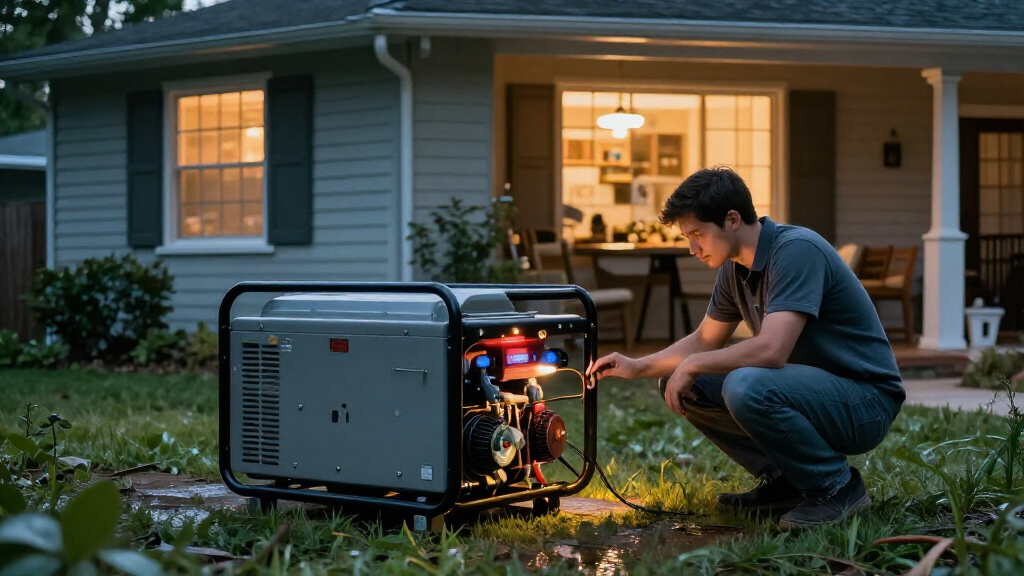
How We Picked
I compared the 11 products using the details available in their names: rated output, whether a transfer switch is identified as included, and whether cellular connectivity or monitoring is specified. For standby generators, capacity matters because it sets the range of household loads a system may support; the transfer-switch package matters because it affects what the buyer must source and coordinate separately. I treated cellular monitoring as a useful shared feature rather than a reason to rank one model above another, since it appears across the lineup.
The order gives priority to a balance of stated capacity and clearly named configuration, then separates higher-output and more limited-capacity choices by the kinds of backup plans they may suit. Models with a transfer switch called out earn a practical advantage for buyers seeking a more defined package, but I do not assume that similarly named products have identical components. Product titles do not establish fuel type, noise, warranty, precise load capability, or installation details, so buyers should confirm those specifications and obtain a qualified load assessment before choosing.
| automatic standby generator | Fuel | Connectivity |
|---|---|---|
| Generac 22 kW Whole-Home Stand | Natural gas or propane | — |
| Generac 28 kW Whole-Home Stand | Natural gas or propane | — |
| Generac 14 kW Whole-Home Stand | Natural gas or LP | — |
| Generac 10 kW Whole-Home Stand | Natural gas or propane | — |
| Generac 10 kW Whole-Home Stand | Liquefied petroleum gas or natural gas | Built-in cellular; Mobile Link premium subscription required |
| Generac 28 kW Whole Home Stand | LP or natural gas | Built-in cellular; Mobile Link premium subscription required for app monitoring |
| Generac 22 kW Whole-Home Stand | Natural gas or liquefied petroleum gas | Built-in cellular; Mobile Link premium subscription required |
| Generac 18 kW Whole-Home Stand | LP or natural gas | Built-in cellular; Mobile Link premium subscription required for remote monitoring |
| Generac 18 kW Whole-Home Stand | Natural gas or propane | Built-in cellular; Mobile Link premium subscription required for remote updates and alerts |
| Generac 26 kW Whole-Home Stand | — | Built-in cellular; Mobile Link premium subscription required for remote monitoring and control |
| Generac 24 kW Whole-Home Stand | Propane or natural gas | Built-in cellular; Mobile Link app monitoring and control require a premium subscription |
Factors to Consider When Choosing Automatic Standby Generators
Generator capacity is only one part of a dependable backup plan. I’d treat the product title as a shortlist, then confirm electrical compatibility, the switch arrangement, site requirements, and the loads you want protected before committing.
Size for the loads you actually need
Start with a written list of the circuits you expect to use during an outage, including any large motor-driven equipment that can draw extra power when it starts. A generator’s headline kilowatt rating does not by itself tell you which combination of appliances can run at once. Have an electrician or generator installer assess both starting and running loads, then discuss whether load management can let a smaller unit serve your priorities. A common mistake is buying by home size alone or assuming “whole-home” in a product name means every circuit can operate simultaneously. The 10 and 14 kW choices in this roundup point toward more selective backup plans, while the 24–28 kW choices offer more stated capacity but still need a site-specific assessment. Choose based on the loads and usage you can verify, not a broad label.
Check exactly what the transfer-switch package includes
A transfer switch safely connects the generator to selected household circuits or, in a suitable configuration, the home’s electrical system. Several listings in this roundup explicitly name a transfer switch, while others emphasize generator capacity and cellular connectivity without naming one. That wording is a prompt to verify the bill of materials, not proof that a switch is absent or included. Ask whether the switch’s amperage and circuit arrangement match your service panel and intended backup plan. Also confirm who supplies it, who installs it, and whether any additional panel or load-management equipment is required. A package that appears more complete can reduce sourcing uncertainty, but it still needs professional compatibility checks.
Compare usable capacity, not just the largest number
The 28 kW models have the highest stated output in this group, but a larger rating is useful only if your planned loads and electrical setup call for it. Higher-capacity equipment can bring added installation demands, so ask for a complete installed-system proposal rather than comparing generator ratings alone. If you primarily want essential circuits, a smaller unit paired with a clear load plan may be a better fit than buying capacity you rarely use. If you expect several large loads to overlap, discuss that pattern with the installer before narrowing the list. Do not assume the next size up automatically solves every surge or compatibility issue. A load calculation should explain what each proposed size can support.
Treat cellular monitoring as one part of outage readiness
Cellular connectivity can provide remote status information, which may help you spot a problem when you are away from home. It does not generate power, fix a failed component, or replace scheduled maintenance and service support. Check what the monitoring feature reports, whether the service requires a subscription, and what cellular coverage is available at the installation site. Ask how alerts are delivered and who responds if the generator reports a fault. Since cellular features are named across these 11 options, they are less useful for distinguishing models than output and switch configuration. Base your choice on the monitoring details you can confirm, not the presence of the word “cellular” alone.
Plan the installation location and local requirements early
Before selecting a model, ask an installer to review placement, clearances, access for maintenance, electrical routing, and the applicable local permitting process. The available space and connection route can affect the practical installation plan even when a generator’s output looks suitable on paper. Also confirm the fuel supply and required capacity with the contractor; product titles in this roundup do not identify fuel type or site-specific fuel needs. Noise expectations and placement rules can matter in neighborhoods with close property lines. Waiting until after purchase to check these points can force changes to the site plan or equipment package. Get the proposed location and installation scope reviewed before treating any model as a final match.
Compare ownership support before paying for more capacity
A standby generator is a long-term system, so ask about maintenance intervals, service availability, warranty coverage, and the process for handling faults. Confirm which tasks are owner-performed and which require a qualified technician, and request the expected maintenance schedule in writing. A higher-output model may fit more loads but does not automatically provide better local service or a lower ownership burden. Compare the complete proposals, including installation, switch equipment, monitoring terms, and routine service—not just the generator itself. Buyers new to standby systems may prefer a clearly specified package and a contractor who explains commissioning and maintenance. That support can matter more to day-to-day confidence than a small difference in rated capacity.
Frequently Asked Questions
How do I decide between the 10 kW and 22 kW Generac models?
Start by listing the circuits and appliances you need during an outage, then have an installer calculate their running and starting loads. A 10 kW model may suit a deliberately limited backup plan, while 22 kW gives more stated capacity for a broader set of loads. Neither rating guarantees that every appliance can run together; the electrical setup and load-management plan matter too. Ask the contractor to show which loads each option supports and what would need to be switched off during peak demand. Choose the smaller unit only when the limits match your household’s real outage priorities.
Should I choose a model that names a transfer switch in the product title?
A product title that names a transfer switch gives a clearer indication of the package, but it is not enough to confirm that the included switch matches your electrical service. Verify the switch’s amperage, configuration, supported circuits, and compatibility with your panel. For models whose titles do not name a switch, ask the seller or installer what is included and what must be purchased separately. Compare the full system proposal, since a generator-only listing may still be part of a suitable installation package. Do not schedule installation until the generator, switch, and panel plan are confirmed together.
Is the 28 kW model a better choice just because it has the highest output?
Not automatically. The 28 kW rating makes these models the capacity leaders in this group, but the best fit depends on a load calculation, your electrical service, and the cost and scope of installation. If your backup plan focuses on selected essentials, a smaller unit may meet those needs without paying for unused capacity. If several large loads must operate at the same time, ask an installer whether 28 kW is suitable and what limits still apply. Compare the two 28 kW listings carefully, especially their stated transfer-switch and monitoring configuration.
What should I verify about cellular monitoring before buying?
Ask what the monitoring system can report, how alerts reach you, and whether cellular service is available at the planned generator location. Confirm whether remote monitoring has an ongoing fee and whether the system needs a separate account or activation step. Find out who handles a fault alert and how quickly local service can respond; monitoring alone does not repair the equipment. Since cellular connectivity appears across this roundup, it should not outweigh a mismatch in generator size or switch configuration. Treat it as a support feature, then verify its terms directly with the seller or installer.
What should a first-time buyer confirm before ordering an automatic standby generator?
Before ordering, get a professional load assessment, confirm the transfer-switch arrangement, and have the proposed installation location reviewed. Ask for a written scope covering required electrical work, fuel supply, permits, commissioning, and maintenance responsibilities. Verify the exact model and included components rather than relying on similar product names. Confirm warranty terms and local service availability, since a generator is a system that needs ongoing support. These checks help a first-time buyer avoid choosing a unit that fits its headline rating but not the home or installation plan.
Conclusion
Best overall: I’d start with the Generac 22 kW Whole-Home Standby Generator with Cellular Connectivity as a middle-capacity option, subject to a load assessment. Best value: the 10 kW models are the shortlist for buyers backing up selected essentials, though the right choice depends on what is included and the final installed-system proposal. Best premium: the 28 kW models lead on stated output; compare their transfer-switch details before choosing. Best for beginners: I’d favor a clearly specified package such as the 14 kW model with an automatic transfer switch, after confirming switch compatibility and supported loads. Best for a broader but not maximum-capacity plan: consider the 18 or 22 kW options, checking whether the listed switch matches your panel. If your needs are uncertain, get a load calculation and a written installation quote before choosing among them.