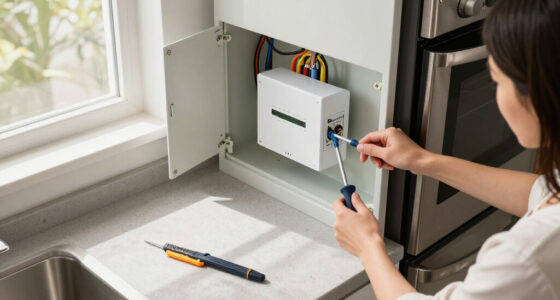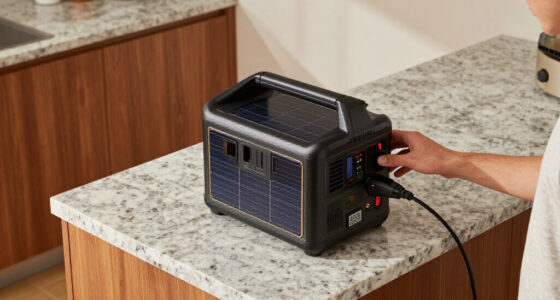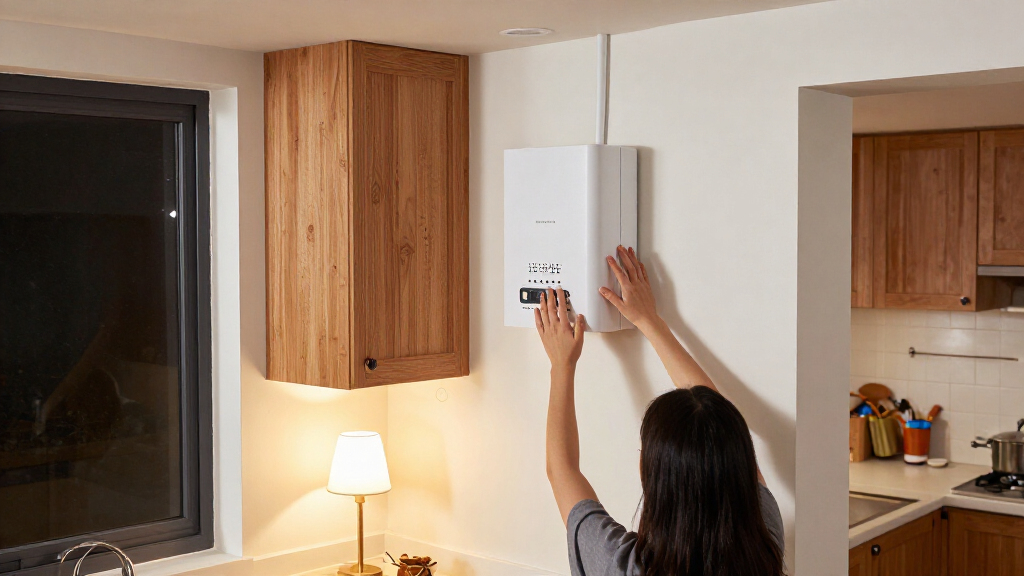
Whole-house battery backup systems range from portable power stations for essential circuits to larger systems designed to connect with a home’s electrical panel. My best overall pick is the Anker SOLIX E10 with Power Dock, which is the lineup’s clearest fit for coordinated home backup. The ECO-WORTHY 48V kit stands out for buyers seeking a high-output inverter-and-battery setup, while the Generac 14 kW standby generator suits homes that prioritize automatic, extended backup over battery-only operation. The main tradeoffs are installation complexity, the amount of home load each system can support, and whether you need stored energy, solar input, or fuel-based generation. Read on for the full comparison and a guide to matching system type to your backup plan.

Get backup power and energy gear delivered free with Prime
- Fast, free delivery on millions of items
- Prime Video, Amazon Music and more included
- Member-only deals all year
Complete the kit


Key Takeaways
- The Anker SOLIX E10 with Power Dock is the most home-focused battery pick. Its system-and-dock approach is a closer match for whole-home integration than standalone portable stations.
- High inverter output and usable stored energy are separate questions. The ECO-WORTHY 48V kits pair large battery capacity with a 10,000W inverter, while the portable stations in this list are simpler, self-contained alternatives.
- Portable power stations favor simpler setup over panel-level integration. EcoFlow DELTA Pro and Jackery HomePower models can suit backup for selected appliances, but buyers should confirm how they connect to household circuits.
- Solar panels in a bundle do not by themselves make a home backup system. The Jackery and OSCAL solar packages add a charging option, but home loads, transfer equipment, and installation still determine what can run safely.
- The Generac is the outlier because it is a fuel-based standby generator, not a battery system. It belongs in this comparison for automatic whole-home backup, but it serves a different need from stored-energy products.
| EF EcoFlow DELTA Pro 3 Portable Power Station with Two Extra Batteries |  | Best Expandable Portable Backup | Battery capacity: 4,096Wh listed | Battery type: LFP | Expandable capacity: Up to 48kWh | VIEW LATEST PRICE | See Our Full Breakdown |
| Jackery HomePower 3600 Plus Portable Power Station with Extra Battery and Two 200W Solar Panels |  | Best for Easier Portable Backup | Battery capacity: 3,584Wh | Expandable capacity: Up to 21kWh per unit | Output: 3,600W | VIEW LATEST PRICE | See Our Full Breakdown |
| OSCAL PowerMax 6000 Solar Generator with Three 200W Solar Panels |  | Best Output in a Solar Bundle | Battery capacity: 3,600Wh | Battery type: LiFePO4 | Output and surge: 6,000W output; 9,000W surge | VIEW LATEST PRICE | See Our Full Breakdown |
| Anker SOLIX E10 Whole-Home Backup Power System with Power Dock |  | Best for Whole-Home Integration | Battery capacity: 6kWh, expandable to 90kWh | Battery type: LFP | Continuous output: 7.6kW | VIEW LATEST PRICE | See Our Full Breakdown |
| ECO-WORTHY 48V Home Backup Power Kit, 10,240Wh with 10,000W Inverter |  | Best DIY 48V Backup Kit | Battery chemistry: LiFePO4 | Battery capacity: 10,240Wh total | Battery configuration: Two 51.2V 100Ah batteries | VIEW LATEST PRICE | See Our Full Breakdown |
| Jackery HomePower 3000 Portable Power Station with Two 200W Solar Panels |  | Best Portable Kit for Essential Circuits | Battery capacity: 3,072Wh | AC output: 3,600W | Surge output: 7,200W | VIEW LATEST PRICE | See Our Full Breakdown |
| EF EcoFlow DELTA Pro Portable Power Station, 3600Wh, 3600W AC Output | 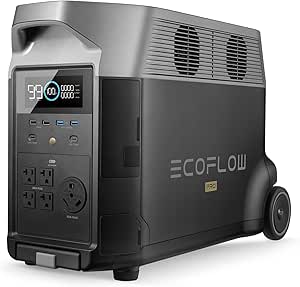 | Best Expandable Portable Backup | Battery capacity: 3,600Wh LFP | Running wattage: 3,600W | Maximum output: 4,500W with X-Boost | VIEW LATEST PRICE | See Our Full Breakdown |
| ECO-WORTHY Powermega 48V 314Ah LiFePO4 Battery, 2-Pack |  | Best for Custom High-Capacity Systems | Pack size: 2 batteries | Energy capacity: 16.07kWh per battery | Battery chemistry: LiFePO4 | VIEW LATEST PRICE | See Our Full Breakdown |
| Jackery HomePower 3600 Plus Portable Power Station, 3584Wh, 3600W |  | Best Portable Option for 240V Expansion | Battery capacity: 3,584Wh | Output wattage: 3,600W | Parallel output: 7,200W | VIEW LATEST PRICE | See Our Full Breakdown |
| ECO-WORTHY 48V 314Ah LiFePO4 Battery System with 10kW Hybrid Inverter |  | Best Complete High-Power Home Backup Kit | Battery configuration: Two 48V 314Ah LiFePO4 batteries | System usable energy: 30kWh+ | Inverter power: 10,000W | VIEW LATEST PRICE | See Our Full Breakdown |
| GROWATT ALP 5.0L-E2 US 48V 100Ah LiFePO4 Battery, 5120Wh |  | Best for Growatt-Based Expandable Storage | Chemistry: LiFePO4 | Voltage and capacity: 48V, 100Ah | Energy per unit: 5120Wh | VIEW LATEST PRICE | See Our Full Breakdown |
| Jackery HomePower 3600 Pro Max Portable Power Station |  | Best Portable Station for 120V/240V Backup | Battery capacity: 3,584Wh | Output: 4,000W, 120V/240V | Expandable capacity: Up to 43kWh | VIEW LATEST PRICE | See Our Full Breakdown |
| Generac 14 kW Whole-Home Standby Generator with 200 Amp Transfer Switch and Cellular Connectivity |  | Best Fuel-Powered Automatic Backup | Output: 14,000W running | Voltage: 240V | Fuel compatibility: LP or natural gas | VIEW LATEST PRICE | See Our Full Breakdown |
| whole house battery backup system | Battery capacity | Weight |
|---|---|---|
| EF EcoFlow DELTA Pro 3 Portabl | 4,096Wh listed | 260 pounds |
| Jackery HomePower 3600 Plus Po | 3,584Wh | 77.2 pounds |
| OSCAL PowerMax 6000 Solar Gene | 3,600Wh | 45.5 kg |
| Anker SOLIX E10 Whole-Home Bac | 6kWh, expandable to 90kWh | — |
| ECO-WORTHY 48V Home Backup Pow | 10,240Wh total | — |
| Jackery HomePower 3000 Portabl | 3,072Wh | 59.5 pounds |
| EF EcoFlow DELTA Pro Portable | 3,600Wh LFP | 99 pounds |
| ECO-WORTHY Powermega 48V 314Ah | — | — |
| Jackery HomePower 3600 Plus Po | 3,584Wh | 77.2 pounds |
| ECO-WORTHY 48V 314Ah LiFePO4 B | — | — |
| GROWATT ALP 5.0L-E2 US 48V 100 | — | — |
| Jackery HomePower 3600 Pro Max | 3,584Wh | 74 pounds |
| Generac 14 kW Whole-Home Stand | — | 391 pounds |
More Details on Our Top Picks
EF EcoFlow DELTA Pro 3 Portable Power Station with Two Extra Batteries
I’d shortlist the DELTA Pro 3 for households that want a portable system they can grow, rather than a permanently installed whole-home setup. Its listed 4,096Wh capacity and 4,000W running output can support essential circuits, while 120V/240V output and a 10 ms transfer time suit more demanding backup needs than a basic portable station. EcoFlow lists expansion up to 48kWh and several charging paths, including solar and a generator, giving owners options as outage plans change.
Compared with the Jackery HomePower 3600 Plus, this model offers a higher stated expansion ceiling and 240V output without relying on parallel operation. The tradeoff is substantial: the listed weight is 260 pounds, so it is not easy to reposition. The title also says two extra batteries, but the provided capacity spec remains 4,096Wh; buyers should confirm the bundle’s total usable capacity before treating it as a 12kWh-class system.
Pros:- Expandable capacity listed up to 48kWh
- 120V/240V output with 4,000W running power
- 10 ms backup switching and app monitoring
- Supports AC, solar, generator, and other charging methods
Cons:- At 260 pounds, moving the system is difficult
- Provided capacity data lists 4,096Wh despite the two-extra-battery bundle title
- Portable design may require additional planning to back up household circuits
Best for: Homeowners who want expandable portable backup, 120V/240V output, and multiple charging options, and who can accommodate a very heavy system.
Not ideal for: Buyers who need a clearly specified included total capacity, frequent portability, or a turnkey system connected to household circuits.
- Battery capacity:4,096Wh listed
- Battery type:LFP
- Expandable capacity:Up to 48kWh
- Output:4,000W running; 6,000W starting
- Output voltage:120V/240V
- Transfer time:10 ms
- Weight:260 pounds
- Warranty:5 years
Our verdict“Choose the DELTA Pro 3 if expandable capacity and 240V support matter more than easy handling or an unambiguous bundle capacity.”
Jackery HomePower 3600 Plus Portable Power Station with Extra Battery and Two 200W Solar Panels
The Jackery HomePower 3600 Plus is a practical pick for buyers who want a portable station with solar panels included and a less intimidating starting point than a modular home battery installation. It provides 3,584Wh and 3,600W output, with expansion listed up to 21kWh per unit. Wheels and a telescopic handle help with rolling it across a garage or driveway, although its 77.2-pound weight still makes lifting a two-person task for many owners.
Compared with the EcoFlow DELTA Pro 3, Jackery has a lower stated expansion ceiling, but it is much lighter and includes a battery pack and two 200W solar panels in this bundle. Its 240V operation requires parallel setup, and the provided specs list only three outlets, so it is less straightforward for whole-home circuit coverage than the Anker SOLIX E10 with its Power Dock. I’d pick it for portable, targeted backup—not as a substitute for a professionally integrated home system.
Pros:- Wheels and telescopic handle make rolling easier than moving heavier systems
- Includes an extra battery pack and two 200W solar panels
- Expandable to 21kWh per unit
- LFP battery rated for 6,000 cycles
Cons:- 240V operation requires parallel setup
- At 77.2 pounds, it remains difficult to lift
- Solar panels and station may arrive in separate packages
Best for: Households seeking a wheeled portable station, included solar panels, and expandable capacity for selected essential loads.
Not ideal for: Buyers who need direct whole-home integration, numerous connection points, or 240V operation from a single unit.
- Battery capacity:3,584Wh
- Expandable capacity:Up to 21kWh per unit
- Output:3,600W
- Voltage:120V; 240V in parallel
- Battery type:LFP
- Charging options:Hybrid AC+DC, AC, solar, and gas generator
- Battery cycle life:6,000 cycles
- Weight:77.2 pounds
Our verdict“Pick the HomePower 3600 Plus for portable, solar-ready backup that is easier to move than the EcoFlow, provided you do not need a docked whole-home installation.”
OSCAL PowerMax 6000 Solar Generator with Three 200W Solar Panels
The OSCAL PowerMax 6000 pairs a substantial output rating with a ready-to-use solar bundle, making it a fit for buyers who want to recharge during an outage without sourcing panels separately. It lists a 3,600Wh LiFePO4 battery, 6,000W output, 120V/240V support, and 14 outlets. The 5–8 ms EPS switchover is quick for connected equipment, though that feature alone does not make it a professionally integrated whole-house system.
Against the Jackery HomePower 3600 Plus, OSCAL offers higher stated output and native dual-voltage support, while Jackery has a much longer listed battery cycle life and a wheeled design. OSCAL includes three 200W panels and app control, but its 45.5 kg weight makes repositioning awkward, and its 3,500-cycle rating is lower than Jackery’s 6,000. The two-year warranty is also shorter than the five-year coverage listed for the EcoFlow DELTA Pro 3. I’d favor it for output and included solar over long-term portability or warranty depth.
Pros:- 6,000W output with 9,000W surge capacity
- 120V/240V dual-voltage support and 14 outlets
- Includes three 200W solar panels
- 5–8 ms EPS switchover and app control
Cons:- Weighs 45.5 kg, making it difficult to move
- 3,500-cycle rating is below the Jackery HomePower 3600 Plus listing
- Two-year warranty is shorter than the EcoFlow DELTA Pro 3 warranty
Best for: Buyers who want a high-output portable station with 120V/240V capability, multiple outlets, and solar panels in the package.
Not ideal for: Households prioritizing easy movement, a longer listed cycle life, or a longer warranty.
- Battery capacity:3,600Wh
- Battery type:LiFePO4
- Output and surge:6,000W output; 9,000W surge
- Voltage:120V/240V dual voltage
- Solar panels:Three 200W panels
- EPS switchover:5–8 ms
- Battery cycle life:Up to 3,500 cycles
- Weight:45.5 kg
- Warranty:2 years
Our verdict“Choose OSCAL if high output, dual voltage, and included panels outweigh its heavy build and shorter warranty.”
Anker SOLIX E10 Whole-Home Backup Power System with Power Dock
The Anker SOLIX E10 is the clearest match here for buyers seeking a system designed around whole-home backup rather than a portable power station. Its Power Dock supports up to 200A coverage and automatic switchover in 20 ms or less, while 7.6kW continuous output gives it a different role from the smaller portable options. Starting with 6kWh of LFP storage, owners can expand capacity up to 90kWh, and the system supports up to 9kW of solar input per unit.
Compared with the EcoFlow DELTA Pro 3 or Jackery HomePower 3600 Plus, the E10 is built for household integration, not easy relocation; professional installation may be needed. Its outdoor-rated components and broad expansion range suit homes with existing solar or larger backup goals, but the initial 6kWh capacity may need expansion for long outages. The E10 warranty is five years, shorter than the Power Dock’s ten-year coverage, so buyers should check which component terms apply to their plans.
Pros:- Power Dock supports whole-home backup with up to 200A coverage
- Expandable battery capacity up to 90kWh
- 7.6kW continuous output and switchover in 20 ms or less
- Outdoor-rated system supports up to 9kW solar input per unit
Cons:- Professional installation may be needed
- Starting battery capacity is 6kWh and may be limited for longer outages
- E10 warranty is five years, shorter than the Power Dock warranty
Best for: Homeowners seeking a docked, expandable system for household backup, especially those with existing solar or plans for professional installation.
Not ideal for: Renters, frequent movers, or buyers who want a lightweight station they can move between rooms without installation.
- Battery capacity:6kWh, expandable to 90kWh
- Battery type:LFP
- Continuous output:7.6kW
- Solar input:Up to 9kW per unit
- Power Dock coverage:Up to 200A
- Switchover time:20 ms or less
- Operating temperature:-4°F to 131°F
- Warranty:5 years for E10; 10 years for Power Dock
Our verdict“Choose the SOLIX E10 when household integration and high expansion potential matter more than portability or a large starting battery.”
ECO-WORTHY 48V Home Backup Power Kit, 10,240Wh with 10,000W Inverter
For technically capable buyers, the ECO-WORTHY 48V kit provides a more traditional battery-and-inverter route to home backup than the portable stations in this group. It includes two 51.2V 100Ah LiFePO4 batteries and a 10,000W inverter, with 10,240Wh total capacity, split-phase 120V/240V output, and a 200A battery charger. That combination can support a broader home backup plan than a single portable unit, while Bluetooth and Wi-Fi monitoring help owners track battery status.
Unlike the Anker SOLIX E10, this kit does not list a Power Dock for whole-home circuit integration, so buyers should plan the wiring and installation path rather than assume a plug-and-play connection. Its expansion allowance—up to six inverters and 32 batteries—offers room to build out, but setup may call for electrical expertise, and components ship separately. I’d choose it over the Jackery or OSCAL portable options for a DIY fixed system, but skip it if installation simplicity is the priority.
Pros:- Includes two 51.2V 100Ah batteries and a 10,000W inverter
- 10,240Wh total capacity with 120V/240V split-phase output
- Expandable to six inverters and 32 batteries
- Bluetooth and Wi-Fi battery monitoring
Cons:- Setup and expansion may require technical or electrical expertise
- Components ship separately
- No whole-home transfer dock is listed in the provided product data
Best for: DIY-minded homeowners or installers building a 48V backup system who need split-phase output, substantial included storage, and room to expand.
Not ideal for: Buyers who want a portable, ready-to-use station or a clearly specified whole-home transfer dock and turnkey installation path.
- Battery chemistry:LiFePO4
- Battery capacity:10,240Wh total
- Battery configuration:Two 51.2V 100Ah batteries
- Inverter output:10,000W
- Peak output:20,000W
- Output voltage:120V or 240V split-phase; 120V single-phase
- Battery charger:Up to 200A
- Expansion:Up to 6 inverters and 32 batteries
- Safety testing:UL1973 and UL1741
Our verdict“Pick this ECO-WORTHY kit for a configurable DIY 48V system, not for a simple portable backup or docked whole-home package.”
Jackery HomePower 3000 Portable Power Station with Two 200W Solar Panels
I’d choose the Jackery HomePower 3000 when portability and a ready-to-use solar bundle matter more than building a permanent, high-capacity home system. Its 3,072Wh battery and 3,600W AC output can support several essential loads, while the UPS function switches within 20ms to help protect connected devices during an outage. The included pair of 200W panels gives it a solar-recharging option out of the box, unlike the Jackery HomePower 3600 Plus, whose solar panel is optional. The tradeoff is scale: this is a portable 120V unit, not a 240V whole-home system, and its capacity is well below the ECO-WORTHY battery systems in this roundup. At 59.5 pounds, moving it is possible but not effortless; I’d treat it as a backup for selected appliances, not a substitute for a home battery installation.
Pros:- 3,072Wh capacity and 3,600W AC output support a useful mix of essential loads.
- UPS transfer time of 20ms or less helps keep connected devices running through an outage.
- Includes two 200W solar panels, unlike the Jackery HomePower 3600 Plus bundle configuration described here.
- LiFePO4 battery is rated for 4,000 cycles to 70% capacity.
Cons:- 120V output does not provide the 240V split-phase capability needed for many whole-home circuits.
- At 59.5 pounds, it is heavy to move frequently.
- Its 3,072Wh capacity is modest beside the expandable DELTA Pro and ECO-WORTHY home systems.
Best for: Households seeking a portable backup for essential 120V appliances, with included solar panels and quick UPS support for sensitive electronics.
Not ideal for: Homeowners who need 240V split-phase output, long-duration whole-house coverage, or a permanently integrated battery system.
- Battery capacity:3,072Wh
- AC output:3,600W
- Surge output:7,200W
- Battery chemistry and cycle life:LiFePO4; 4,000 cycles to 70% capacity
- UPS transfer time:20ms or less
- Included solar panels:2 × 200W
- Charging time:1.7 hours hybrid AC/DC; 2.2 hours AC
- Weight:59.5 pounds
Our verdict“Choose this Jackery for portable, solar-assisted backup of essential 120V loads, not whole-home 240V coverage.”
EF EcoFlow DELTA Pro Portable Power Station, 3600Wh, 3600W AC Output
The EcoFlow DELTA Pro earns its place for buyers who want a portable starting point that can grow beyond a single battery. Its 3,600Wh LFP battery and 3,600W running output cover more ground than the Jackery HomePower 3000, and compatible batteries or smart generators can raise capacity to 25kWh. That expansion makes it more adaptable for longer outages, though reaching that level means adding compatible equipment rather than relying on the base unit alone. Fifteen output ports and app control also make it easier to manage several devices than a simpler portable station. Still, the listed output is 120V, so this is not a complete 240V whole-house solution by itself. At 99 pounds, it is also much less convenient to reposition than the Jackery HomePower 3600 Plus, which has wheels and a telescopic handle.
Pros:- Expandable capacity up to 25kWh with compatible extra batteries or smart generators.
- 3,600Wh LFP battery and 3,600W running output provide a stronger starting point than the Jackery HomePower 3000.
- Fifteen output ports support multiple devices and appliance connections.
- App control and charging options include wall, solar, EV station, generator, and car outlet.
Cons:- The 99-pound unit is difficult to move without assistance.
- The listed 120V output does not provide whole-home 240V split-phase power on its own.
- Full solar charging requires four 400W panels, which are not included in the listed product.
Best for: Homeowners who want a portable power station that can expand with extra batteries or a smart generator as backup needs grow.
Not ideal for: Buyers seeking an out-of-the-box 240V whole-home setup, or anyone who needs to move the power station often without help.
- Battery capacity:3,600Wh LFP
- Running wattage:3,600W
- Maximum output:4,500W with X-Boost
- Expandable capacity:Up to 25kWh
- Output ports:15
- Solar charging time:2.8 hours with four 400W panels
- Charging time:1.8 hours with 240V outlets; 2.7 hours with 1,800W wall outlets
- Weight:99 pounds
Our verdict“Pick the DELTA Pro if you want a portable 120V base system with a clear path to substantially more storage.”
ECO-WORTHY Powermega 48V 314Ah LiFePO4 Battery, 2-Pack
I’d put the ECO-WORTHY Powermega 2-pack on the shortlist for buyers assembling a stationary 48V home backup system around a compatible inverter. Each battery provides 16.07kWh, and the system can expand to 15 units in parallel, giving it far more storage potential than the portable Jackery HomePower 3000 or EcoFlow DELTA Pro. That capacity is useful for longer outages, but these are batteries, not a complete plug-and-play backup system: buyers must plan for compatible inverter equipment, installation, and system configuration. The UL 1973 certification, active-balancing BMS, and aerosol fire suppression add reassuring system details, while monitoring options suit a more technical setup. Compared with the ECO-WORTHY kit that includes a 10kW inverter, this two-battery package offers a modular route but leaves more of the system-building work to the buyer. Pallet delivery is another practical hurdle.
Pros:- Two batteries provide 16.07kWh each for substantial stationary storage.
- Parallel expansion supports up to 15 units.
- UL 1973 certification, active cell balancing, and aerosol fire suppression are included.
- Wi-Fi, Bluetooth, RS485, CAN, and RS232 support monitoring and system integration.
Cons:- Batteries alone do not provide AC output; a compatible inverter and system setup are required.
- Large, heavy units ship by truck on a pallet, requiring a suitable delivery address.
- System compatibility and installation planning are more involved than with portable stations such as the EcoFlow DELTA Pro.
Best for: Homeowners or installers building a stationary 48V backup system who already have, or plan to select, a compatible inverter and want substantial expandable storage.
Not ideal for: Buyers who want a ready-to-use portable power station or a complete inverter-and-battery kit without coordinating equipment and installation.
- Pack size:2 batteries
- Energy capacity:16.07kWh per battery
- Battery chemistry:LiFePO4
- Nominal voltage:51.2V
- Capacity:314Ah
- BMS:200A smart BMS with active cell balancing
- Safety certification:UL 1973
- Parallel expansion:Up to 15 units
- Warranty:10 years
Our verdict“Choose this battery pair for a high-capacity, expandable 48V build if you are prepared to source and configure the inverter system separately.”
Jackery HomePower 3600 Plus Portable Power Station, 3584Wh, 3600W
The Jackery HomePower 3600 Plus stands out among the portable picks for a specific reason: parallel operation can provide 240V output, which brings it closer to supporting larger home loads than the 120V Jackery HomePower 3000 or EcoFlow DELTA Pro. Its 3,584Wh capacity and 3,600W output make a solid base, while expansion and parallel operation offer a path to greater storage and output. Wheels and a telescopic handle help with repositioning, a practical advantage over the 99-pound DELTA Pro. The tradeoff is that 240V requires additional units in parallel; the single-unit listing is 120V, not a standalone whole-house system. Solar panels are also optional, unlike the HomePower 3000 package reviewed here. At 77.2 pounds, it remains bulky despite its wheels, and the listed two outlets may limit convenient connections without suitable distribution equipment.
Pros:- 3,584Wh capacity and 3,600W output provide a strong portable starting point.
- Parallel operation supports 7,200W output and 240V capability.
- Expandable capacity is listed up to 21kWh per unit or 43kWh with multiple units.
- Wheels and a telescopic handle make repositioning easier than with the 99-pound EcoFlow DELTA Pro.
Cons:- 240V output requires parallel operation; one unit provides 120V.
- Solar panels are optional, unlike the included panels with the Jackery HomePower 3000 package.
- At 77.2 pounds, it is still heavy, and the listing specifies only two outlets.
Best for: Households that want a wheeled portable station and may add a second unit for 240V loads or expanded storage.
Not ideal for: Buyers who need 240V from one unit, an included solar bundle, or a lightweight station for frequent carrying.
- Battery capacity:3,584Wh
- Output wattage:3,600W
- Parallel output:7,200W
- Voltage:120V; 240V in parallel
- Expandable capacity:Up to 21kWh per unit or 43kWh with multiple units
- Battery cycle life:6,000 cycles
- Charging time:2 hours hybrid AC+DC; 2.5 hours AC or gas generator; 4 hours solar
- Weight:77.2 pounds
- Warranty:5 years
Our verdict“Choose the HomePower 3600 Plus if you value wheeled portability and a route to 240V, and can accommodate the extra equipment that parallel operation requires.”
ECO-WORTHY 48V 314Ah LiFePO4 Battery System with 10kW Hybrid Inverter
For buyers focused on actual home backup rather than a portable power station, the ECO-WORTHY system with 10kW hybrid inverter is the most complete fit in this group. It pairs two 48V batteries with a 10,000W inverter and supports both 120V and 240V split-phase output, making it better suited to household circuits than either Jackery portable unit. The listed system usable energy is 30kWh+, a substantial step up from the EcoFlow DELTA Pro’s 3,600Wh base battery. Its monitoring tools, active-balancing BMS, and safety features also support a more integrated stationary setup. The tradeoff is installation and delivery complexity: this is not a grab-and-go station, packages may arrive at different times, and the inverter exterior version may vary. Buyers should also confirm system requirements and installation compatibility before relying on it for a home.
Pros:- Combines two 48V batteries with a 10kW hybrid inverter in one system package.
- Supports both 120V AC and 240V split-phase output, unlike the single-unit portable Jackery models.
- Listed usable energy exceeds 30kWh, far above the EcoFlow DELTA Pro’s base capacity.
- Includes Bluetooth and Wi-Fi monitoring, active balancing, circuit breaker, fire suppression, and alarm.
Cons:- A stationary system requires installation and compatibility planning rather than simple portable-station setup.
- Packages may arrive separately and at different times.
- The inverter exterior version ships randomly, limiting control over the delivered appearance.
Best for: Homeowners planning a stationary solar-storage or off-grid backup installation who need 240V split-phase output and substantial battery capacity.
Not ideal for: Renters, buyers seeking a portable or immediately usable power station, and anyone unwilling to plan around system installation and multi-package delivery.
- Battery configuration:Two 48V 314Ah LiFePO4 batteries
- System usable energy:30kWh+
- Inverter power:10,000W
- Peak output power:20,000W
- Output voltage:120V AC; supports 240V split-phase
- Cycle life:9,000+ cycles at 80% DoD
- MPPT tracking efficiency:99.9%
- Monitoring:Bluetooth, Wi-Fi, and LCD
- Certification:UL 1973
Our verdict“Choose this ECO-WORTHY kit for a planned stationary 120V/240V home system, not for portable backup or a quick plug-in solution.”
GROWATT ALP 5.0L-E2 US 48V 100Ah LiFePO4 Battery, 5120Wh
For a whole-house backup build centered on Growatt equipment, this battery’s 5.12kWh per unit and stated expansion to 40kWh offer a modular route to longer runtime. Its 48V, 100Ah LiFePO4 design includes a built-in battery management system, while the listed IP66 protection gives it more flexibility for suitable indoor or outdoor installations than a typical portable power station such as the Jackery HomePower 3600 Pro Max. The tradeoff is ecosystem fit: the product is described as optimized exclusively for Growatt inverters and all-in-one systems, so it is not a flexible standalone answer for buyers with other equipment. The supplied specs also list 10kW AC output and 15,000W solar input, but a complete system still depends on compatible inverter and installation choices. I’d shortlist it for a planned Growatt system, not as a plug-and-play backup unit.
Pros:- 5.12kWh of storage per unit, with stated expansion up to 40kWh
- Built-in battery management protections
- IP66-rated enclosure for suitable indoor or outdoor installation
- Manufacturer lists a 10-year warranty and multiple certifications
Cons:- Optimized exclusively for Growatt inverters and all-in-one systems
- A compatible inverter and system setup are needed; it is not presented as a standalone power station
- The listed capacity is per battery unit, so larger storage needs require additional units
Best for: Homeowners building or expanding a Growatt-based solar-and-battery system who want modular storage and a listed 10-year warranty.
Not ideal for: Buyers seeking a self-contained portable power station or battery compatibility across inverter brands; this battery is optimized for Growatt equipment.
- Chemistry:LiFePO4
- Voltage and capacity:48V, 100Ah
- Energy per unit:5120Wh
- Maximum expandable capacity:40kWh
- Listed AC output:10kW
- Listed solar input:15000W
- Warranty:10 years
- Certifications listed:UL1973, UL9540A, FCC, UN38.3, RoHS
Our verdict“Choose this battery for expandable whole-house storage when your system is built around compatible Growatt equipment.”
Jackery HomePower 3600 Pro Max Portable Power Station
The HomePower 3600 Pro Max is the more portable, self-contained choice here: it supplies 120V/240V output from one battery-powered station, with 3,584Wh of base capacity and stated expansion up to 43kWh. That makes it a different proposition from the GROWATT ALP 5.0L-E2, which is a battery component intended for a compatible inverter system rather than a complete portable station. A UPS switch under 10ms can help keep supported devices powered through a brief interruption, and operation under 30dB is appealing where generator noise is unwelcome. Still, its base capacity is modest for extended whole-house outages; meaningful longer runtime depends on expansion. At 74 pounds, it can be moved, but not casually, and solar panels are optional. I’d pick it for flexible residential backup, not for buyers expecting a lightweight unit to run an entire home for days.
Pros:- Provides 120V/240V output from one unit
- Expandable capacity is listed up to 43kWh
- UPS switching time is under 10ms
- Quiet operation is listed under 30dB
Cons:- Base capacity of 3,584Wh may be limiting for extended whole-house outages
- Solar panels are optional rather than included
- Weighs 74 pounds, making frequent carrying difficult
Best for: Households that want a self-contained battery station with 120V/240V output, fast UPS switching, and the option to add substantial storage.
Not ideal for: Buyers who need long whole-home runtime from the base unit, included solar panels, or a lightweight station that is easy to carry frequently.
- Battery capacity:3,584Wh
- Output:4,000W, 120V/240V
- Expandable capacity:Up to 43kWh
- Battery type:LFP
- Battery cycle life:6,000 cycles
- UPS switching time:Under 10ms
- Noise level:Under 30dB
- Weight:74 pounds
Our verdict“Pick the Jackery for quiet, self-contained 120V/240V backup with expansion potential, provided you’re comfortable adding capacity for longer outages.”
Generac 14 kW Whole-Home Standby Generator with 200 Amp Transfer Switch and Cellular Connectivity
Unlike the battery systems in this roundup, the Generac 14kW runs on LP or natural gas and is designed to start automatically when an outage occurs. Its 200-amp automatic transfer switch and 14,000-watt output make it the clearest fit here for homeowners who prioritize automatic, fuel-powered backup over quiet battery operation. Compared with the Jackery HomePower 3600 Pro Max, it avoids relying on a battery’s stored energy, but it requires a fuel supply and is a fixed, heavy installation rather than a portable station. Cellular monitoring through Mobile Link adds remote visibility, though the premium subscription requirement limits that feature’s appeal. Oil-level sensors and cold-start support address practical operating concerns, but the 391-pound unit and combustion engine bring installation and upkeep considerations absent from battery-only options. I’d choose it for automatic outage coverage where fuel and generator installation suit the property.
Pros:- Automatically detects outages and supplies backup power
- 14,000W output with a 200-amp automatic transfer switch
- Runs on LP or natural gas
- Includes cellular connectivity, oil-level sensors, and cold-start support
Cons:- Remote monitoring features require a Mobile Link premium subscription
- At 391 pounds, it is a fixed installation rather than a portable backup option
- Uses an internal combustion engine and depends on an LP or natural gas supply
Best for: Homeowners seeking automatic, fixed backup with a 200-amp transfer switch and access to an LP or natural gas supply.
Not ideal for: Buyers who want quiet, portable, battery-only backup or cannot accommodate fuel connections, generator installation, and ongoing engine upkeep.
- Output:14,000W running
- Voltage:240V
- Fuel compatibility:LP or natural gas
- Transfer switch:200-amp automatic transfer switch
- Connectivity:Built-in cellular; Mobile Link premium subscription required for remote features
- Engine type:Internal combustion
- Weight:391 pounds
- Dimensions:46.4 x 26.3 x 30.7 inches
Our verdict“Choose the Generac when automatic fuel-powered backup matters more than battery silence, portability, or avoiding engine upkeep.”
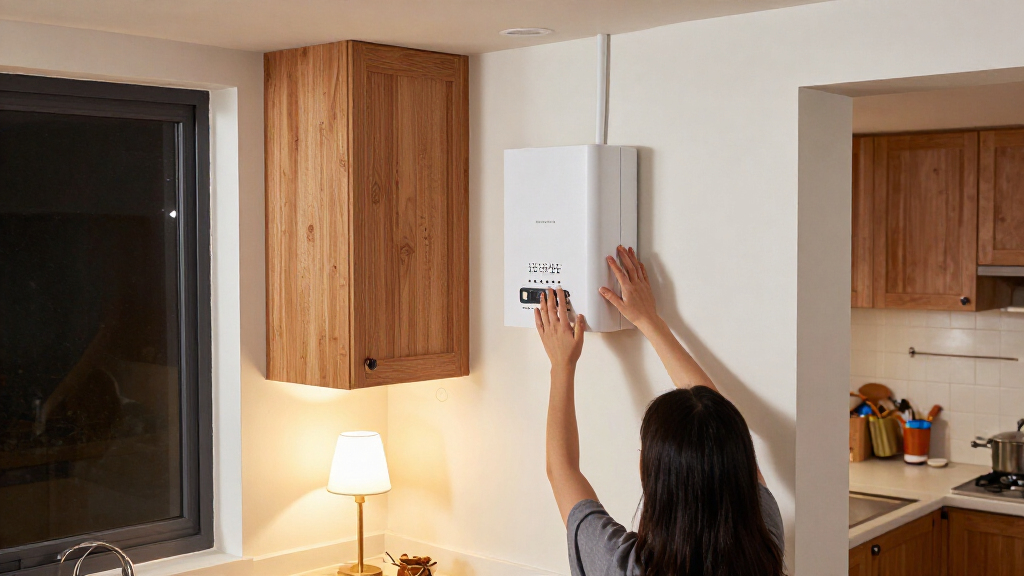
How We Picked
I ranked these products by how directly they address whole-home backup, not by headline capacity alone. I weighed integration with household circuits, inverter output, battery capacity, expandability, charging options, and the practical gap between a portable power station and a panel-connected home system. I also considered whether the product is a battery solution, a solar-ready package, a battery-and-inverter kit, or a standby generator, since those categories require different expectations and installation plans.
The Anker SOLIX E10 leads because its Power Dock points toward a more integrated home setup. ECO-WORTHY’s 48V kits rank well for buyers who want substantial inverter capability and modular battery infrastructure, while portable stations rank lower for whole-home use when their circuit connection and sustained-load role need more planning. The Generac is included as a relevant alternative for automatic backup, but it ranks separately from battery products because fuel use and operating characteristics differ. I treated product naming and listed specifications as starting points; buyers should verify compatibility, supported loads, installation requirements, and local electrical rules before purchase.
Factors to Consider When Choosing Whole House Battery Backup Systems
Choosing a system starts with defining what “whole house” means for your home. A product may power several appliances without being able to connect to, or support, every household circuit. These factors help separate a convenient outage kit from a system designed around the electrical panel.
Decide Which Circuits Must Stay On
List the loads you need during an outage before comparing battery capacities. A refrigerator, internet equipment, lighting, and a medical device create a different demand from electric heating, an oven, or central air conditioning. Add up both the wattage used at once and the energy those devices consume over the number of hours you want coverage. A common mistake is choosing by battery watt-hours alone while overlooking the inverter’s maximum output or surge limits for motors. If you want selected essentials, a portable station may be enough; if you want many household circuits, ask an electrician about a backed-up subpanel or a compatible transfer setup. This load-first approach can prevent paying for capacity that does not solve your actual outage problem.
Check How the System Connects to Your Home
Whole-home use depends as much on the connection method as on the power source. A portable station with household outlets is not automatically a panel-connected backup system, and feeding a home circuit requires approved transfer equipment installed and used correctly. Integrated systems and docks can simplify circuit management, but they still need compatibility checks for the existing panel and service. Ask whether the system backs up selected circuits or the entire panel, and whether it can manage utility power, solar, and backup sources together. Avoid improvised connections that can create a dangerous backfeed into utility lines. Installation scope and electrician availability should be part of the decision, not an afterthought.
Separate Power Output From Runtime
Inverter output describes how much power a system can deliver at a moment; battery energy describes how long it can deliver it. A high-output inverter may start demanding equipment but still drain a modest battery quickly. Conversely, a large battery can provide long runtime for light loads while falling short of a large appliance’s startup surge. Check continuous and peak output, battery capacity, and the manufacturer’s rules for expansion rather than relying on one headline number. Estimate runtime against the actual combination of devices you plan to operate, allowing for conversion losses and changing appliance demand. This distinction is especially useful when comparing 48V kits with compact portable stations.
Choose Between Battery Storage, Solar Charging, and a Generator
Batteries store power for quiet, local use, while solar can recharge them when sunlight and suitable equipment are available. A bundled panel set is not a promise of overnight household coverage, and panel output varies with weather, orientation, season, and shading. A standby generator takes a different route: it can provide sustained power while fuel is available, but it is not stored battery energy and has different noise, maintenance, and emissions considerations. Some buyers may prefer a battery for brief outages and indoor-friendly operation; others may need a generator for longer interruptions or larger loads. Hybrid plans can add resilience, though they bring extra equipment and compatibility questions. Choose the backup source around outage length and operating priorities, not the word “solar” in a product title.
Plan for Expansion, Installation, and Upkeep
Think beyond the initial configuration: future loads, added batteries, and solar integration may change what you need. Confirm that extra batteries are approved for the specific model and that expansion does not require replacing other components. A 48V battery-and-inverter kit may offer a flexible system architecture, but it can demand more design work and qualified installation than an all-in-one portable station. Ask about battery chemistry, operating temperature limits, warranty terms, maintenance needs, and how the system reports faults. For standby generators, include routine service and fuel planning in the ownership picture. Paying more can make sense when it buys the integration or expansion path your home needs; it is less useful when you only need a few essential circuits.
Match the Backup Plan to Outage Duration
Short interruptions and multi-day outages call for different plans. For a brief outage, a ready-to-use portable station may cover communications, refrigeration, and lighting without major electrical work. Longer outages require a way to replenish energy, careful load rotation, or a source that can run for extended periods. Solar recharging helps only when the system, panels, conditions, and daily consumption line up. Consider how often outages occur, whether fuel or sunlight will be available, and whether someone can manage the system during an emergency. A realistic duration plan is more useful than assuming any listed capacity will power an entire home indefinitely.
Frequently Asked Questions
Can a portable power station in this roundup run my whole house?
Usually, a portable station is better treated as backup for selected appliances or circuits unless the manufacturer specifies a suitable home connection and supported load. Its output, surge capability, battery capacity, and connection method all limit what it can run. A station may keep a refrigerator and communications equipment going while being unable to power central air conditioning or several large appliances at once. Ask an electrician whether the model can connect safely through approved transfer equipment and which circuits would be covered. Do not connect a station to household wiring through an improvised cable or outlet.
How do I know whether I need a 48V battery system or an all-in-one power station?
A 48V battery-and-inverter setup may suit buyers planning a more configurable home installation, especially when they want to size battery capacity and inverter output as a system. An all-in-one station is generally easier to understand and move, but its home-circuit integration and expansion options depend on the exact model. Compare installation needs, compatibility, continuous and surge output, and how batteries can be added. Also ask who will design and service the system; flexibility is less valuable if you cannot get qualified support. The right choice depends on whether you prioritize a simpler unit or a more engineered home setup.
Are bundled solar panels enough to keep a home powered during a long outage?
Not necessarily. Panel output changes with sunlight, weather, season, placement, and shading, while household use continues after dark. A bundle’s panel wattage also does not tell you how much energy your household will collect each day or whether the system can support your chosen loads. Estimate daily consumption, then compare it with realistic charging conditions and the battery’s usable capacity. You may need to ration loads or add compatible panels, storage, or another backup source. Verify panel and charging compatibility before planning around a bundle.
Should I choose a battery system or the Generac standby generator for longer outages?
That depends on what you mean by longer and how you want backup power delivered. A battery system supplies stored energy and may need solar, grid charging, or another source to recharge after depletion. The Generac is a fuel-based standby generator, so it can be a better fit for sustained operation when fuel and maintenance are available, but it is not a battery backup and has different noise and emissions tradeoffs. Compare the loads you need, outage frequency, installation requirements, and local fuel access. Some households may prefer a hybrid arrangement, but component compatibility and controls should be planned professionally.
What should I verify before buying a system for panel-connected backup?
Confirm the supported transfer equipment, panel compatibility, backed-up circuit limits, and whether the system requires a licensed electrician. Check continuous output and motor-starting surge capacity against the appliances on those circuits, then estimate runtime for the loads you expect to use together. Ask how solar input, extra batteries, and future expansion work with the exact model and configuration. Review warranty conditions, service availability, and installation responsibilities before ordering. These checks can reveal whether a product is a true fit for your home or primarily a portable source for individual devices.
Conclusion
For buyers seeking the most home-oriented battery option in this lineup, I’d start with the Anker SOLIX E10 with Power Dock as the best overall pick. The ECO-WORTHY 48V backup kits are my value-minded choice for shoppers who want substantial inverter capability and are prepared to plan a more involved installation; compare the exact kit and battery configuration before deciding. For a premium, panel-focused battery setup, consider the ECO-WORTHY Powermega battery system with hybrid inverter if its architecture and installation support match your home. Beginners who want a more self-contained starting point can look at the Jackery HomePower 3600 Plus, while remembering that a portable station is not automatically whole-home panel backup. For automatic fuel-based coverage during extended outages, the Generac 14 kW standby generator fits a different need than batteries. Choose by backed-up circuits, runtime plan, and installation path—not by capacity figures alone.
Evergreen bestsellers Picks

Bose QuietComfort Wireless Noise Cancelling Headphones, Sandstone

Vitamix Propel Series 510 Professional-Grade Blender, 3 Programs, Black

De'Longhi Rivelia Automatic Espresso Machine with Milk Frother
As an affiliate, we earn on qualifying purchases.