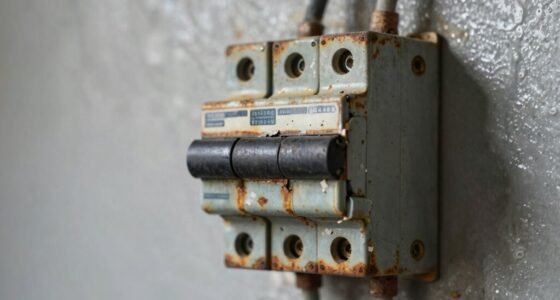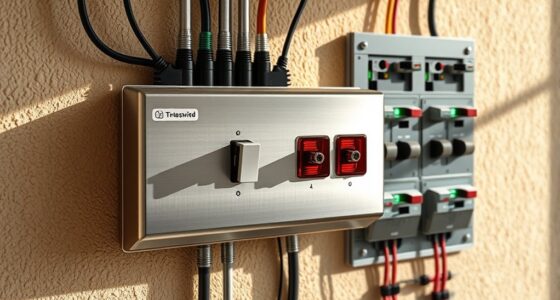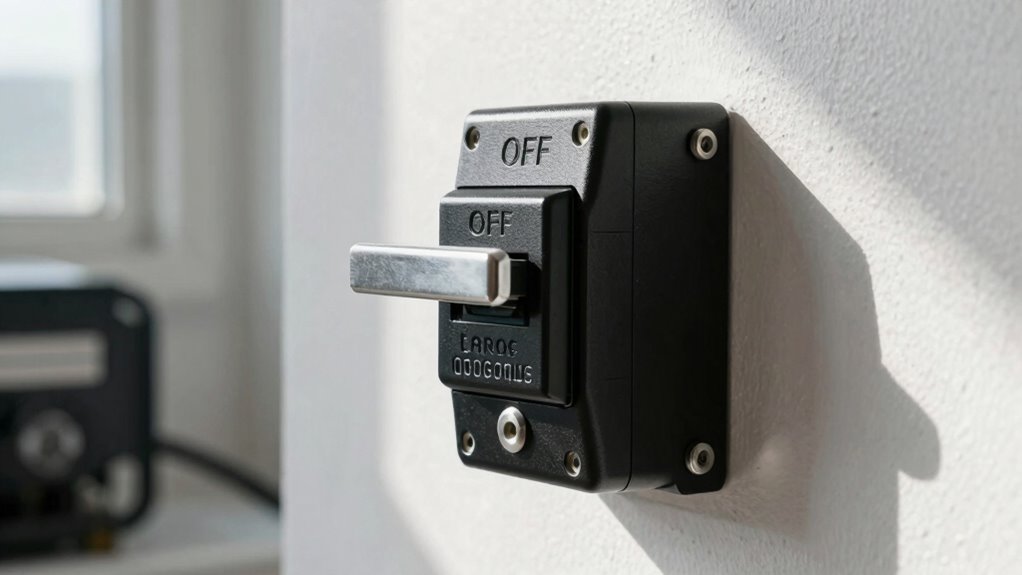

A manual transfer switch makes sense if you want a cost-effective, straightforward backup power solution for your home or small business. It’s easy to install, especially if you have basic electrical skills, and offers full control over how power is switched during outages. Plus, it’s safer and more reliable than automatic systems, especially for critical environments. If you’re curious to see how this simple option can fit your needs, there’s more to explore below.

Get backup power and energy gear delivered free — and shop member deals
- Fast, free delivery on millions of items
- Access to Prime Big Deal Days deals on October 6–7
- Prime Video, Amazon Music and more included
Key Takeaways
- Suitable for homeowners and small businesses seeking a cost-effective, straightforward backup power solution.
- Ideal when manual control and safety are priorities over automatic transfer features.
- When installing a system with basic electrical skills for easier DIY setup and maintenance.
- In situations where budget constraints make automatic transfer switches impractical.
- For environments requiring reliable, straightforward operation without reliance on automated or electronic components.
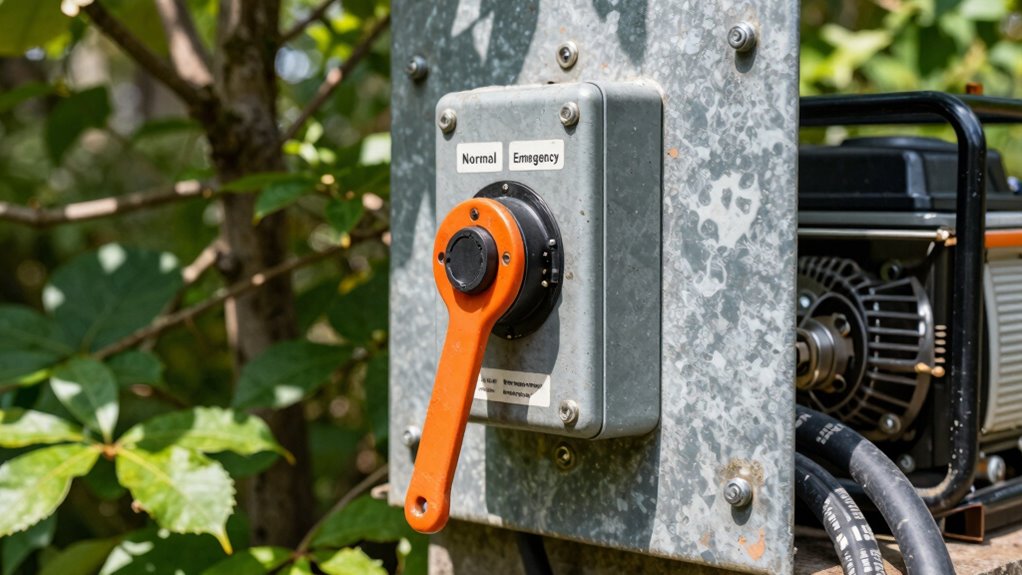
In many backup power situations, a manual transfer switch remains a practical choice, especially when you prioritize cost-effectiveness and simplicity. You’ll find that manual switches are straightforward to install and operate, making them ideal for homeowners or small business owners who want reliable power without complicated systems. One of the key advantages is generator compatibility; manual transfer switches work seamlessly with most portable or standby generators, allowing you to connect your chosen power source safely and efficiently. This compatibility ensures you can select a generator that fits your needs and budget without worrying about complex integration issues.
Manual transfer switches are simple, cost-effective, and compatible with most generators for safe, reliable backup power.
When it comes to installation safety, manual transfer switches have a clear edge. Unlike automatic systems, which require intricate wiring and sometimes advanced electrical knowledge, manual switches are designed for easier, safer installation. You can often install them yourself if you have basic electrical skills, or hire a professional for a quick, hassle-free setup. Proper installation is essential to prevent backfeeding, which can pose serious safety risks to utility workers and your property. Manual transfer switches are built with safety features like lockout mechanisms and clearly labeled circuits, helping you switch power sources safely and confidently. Additionally, their simple design makes troubleshooting and maintenance easier, saving time and money in the long run. It’s also worth noting that automatic transfer switches can be more complex and costly, making manual switches a more practical choice for many users.
Since you operate the switch manually, you maintain full control over when and how your backup power kicks in. This means you can avoid unintended power transfers, reducing the risk of damage to your appliances or electrical system. Additionally, manual switches tend to be more durable due to their simple design, which results in fewer components that could fail over time. This robustness makes them a dependable choice for long-term use, especially if you don’t need automatic operation or frequent switching. Furthermore, their simple design often makes troubleshooting and maintenance easier, saving time and money in the long run. Choosing a manual transfer switch can also be a cost-effective solution for those seeking long-term reliability on a budget.
Another aspect to contemplate is cost. Manual transfer switches are generally less expensive than automatic alternatives, both in initial purchase and installation costs. They don’t require batteries or complex control systems, which cuts down on maintenance and repair expenses. If you prefer a straightforward, budget-friendly solution that still provides reliable power during outages, a manual transfer switch fits the bill. Plus, since you’re in charge of switching your power source, you can plan your outage responses without relying on automatic triggers, giving you peace of mind. Moreover, understanding the cybersecurity implications of automated systems can highlight the importance of manual control, especially in critical infrastructure or sensitive environments.
Frequently Asked Questions
How Much Does a Manual Transfer Switch Typically Cost?
A manual transfer switch usually costs between $300 and $1,200, depending on size and features. Price factors include the switch’s amperage, number of circuits, and brand. When doing a cost comparison, consider installation costs and long-term reliability. If you prefer a straightforward, budget-friendly option for emergency power, a manual transfer switch offers a cost-effective, simple solution that allows you to control power sources safely during outages.
Can a Manual Switch Be Integrated With a Generator Automatically?
A manual transfer switch can’t be automatically integrated with a generator, but you can add features like remote monitoring to enhance control. Automatic integration requires an automatic transfer switch (ATS), which detects power outages and switches power sources seamlessly. If you prefer manual operation, you’ll need to manually switch the power; remote monitoring can still help you track generator status remotely, but the switch itself won’t operate automatically.
What Maintenance Is Required for a Manual Transfer Switch?
A stitch in time saves nine, so regular maintenance keeps your manual transfer switch dependable. You should inspect for signs of wear, clean contacts, and test the switch periodically. While automatic synchronization and load prioritization are handled electronically, manual switches require you to verify mechanical parts and connections. Schedule professional inspections annually to guarantee everything functions smoothly during power outages, preventing costly repairs or failures when you need it most.
Is a Manual Transfer Switch Suitable for All Power Loads?
A manual transfer switch isn’t suitable for all power loads, especially high-demand or automatic compatibility needs. You need to take into account its load capacity and whether it can handle your total power requirements safely. For large or critical loads, automatic systems often provide better reliability and convenience. However, if you have lower loads or want more control during outages, a manual transfer switch can still make sense, provided it matches your load capacity.
How Long Does Installation of a Manual Transfer Switch Usually Take?
Installation of a manual transfer switch typically takes a few hours, usually around 2 to 4 hours, depending on your home’s setup. You should consider installation timing and labor considerations, as a straightforward setup may be quicker, but complex wiring could extend the process. Hiring a licensed electrician guarantees safe, efficient installation, and they can work around your schedule to minimize disruption. Proper planning guarantees reliable power switching when you need it most.
Conclusion
In the end, a manual transfer switch is like a reliable lighthouse guiding you through stormy nights. I once saw a homeowner manually switch power during an outage, confidently steering clear of chaos—reminding us that sometimes, hands-on control provides peace of mind that automatic systems can’t match. When safety, affordability, or simplicity matter most, don’t overlook the power of doing it yourself. A manual switch keeps you grounded, even when the grid isn’t.
Fall Picks
fall essentials
As an affiliate, we earn on qualifying purchases.