

Load diversity in generator planning refers to understanding how electricity demand varies across different consumers and times. By recognizing these fluctuations, you can optimize the size and number of generators needed, avoiding overbuilding capacity. It helps match generation with actual demand, reducing waste and operational costs. Managing load diversity guarantees a reliable and cost-effective power system, especially with renewable sources. If you want to discover how it impacts your system’s efficiency, keep exploring further insights.
Open a free Amazon Business account
Business pricing, bulk buying and tax-exempt orders.
As an affiliate, we earn on qualifying purchases.
Key Takeaways
- Load diversity refers to the variation in electricity demand across different consumers and time periods.
- It allows for more accurate sizing of generators by accounting for fluctuating and non-simultaneous peak loads.
- Recognizing load diversity helps prevent overcapacity and reduces unnecessary investment in generation assets.
- It enables efficient resource allocation by matching generation capacity with actual demand patterns.
- Load diversity supports integration of renewable energy sources by identifying optimal times for generation and consumption.
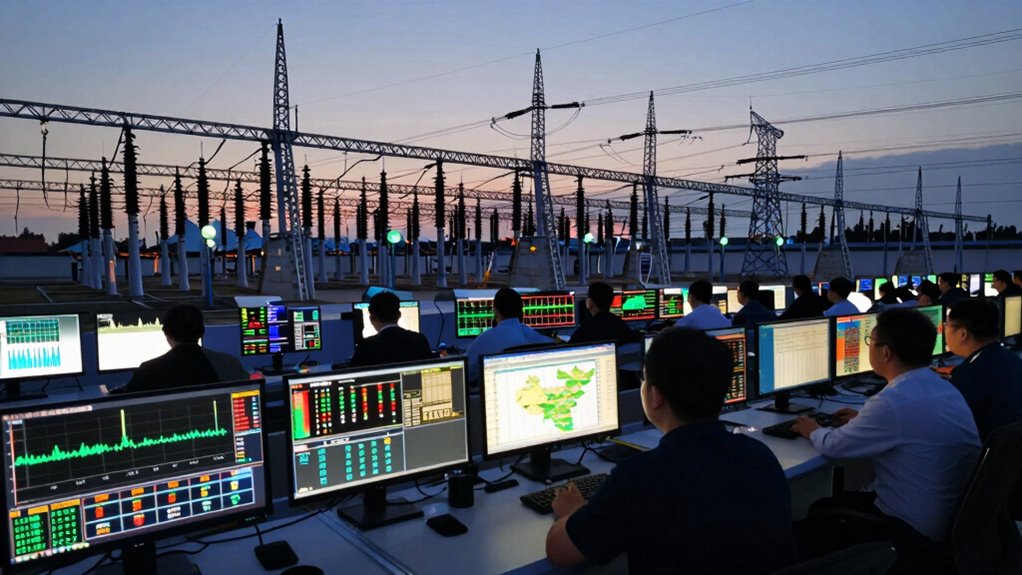
Understanding load diversity is crucial for effective generator planning because it enables you to optimize power system reliability and efficiency. When you grasp how different loads vary over time, you can better match generation capacity to actual demand, reducing waste and ensuring a stable supply. Load diversity refers to the way electricity consumption fluctuates across different consumers and times, meaning not everyone hits peak demand simultaneously. Recognizing this variation allows you to plan for a more balanced, cost-effective system. Additionally, accurate load forecasting can significantly improve planning accuracy by providing insights into future demand patterns, helping to align generation resources more precisely. Incorporating load profile analysis enables a deeper understanding of consumption behaviors, which enhances your ability to anticipate demand fluctuations. In the context of renewable integration, load diversity becomes even more vital. Renewable sources like wind and solar are intermittent, so understanding when and how demand peaks occur helps you plan for their variability. By leveraging load diversity patterns, you can better align renewable generation with periods of high consumption, minimizing reliance on fossil fuel backup plants. This not only supports cleaner energy goals but also enhances overall system stability. You might, for example, incentivize energy use during sunny or windy periods, smoothing out the fluctuations caused by renewable sources and making the most of renewable integration. Peak demand management benefits greatly from understanding load diversity too. When you know when your system experiences the highest loads, you can implement strategies to manage those peaks effectively. This could involve deploying demand response programs, encouraging consumers to shift usage to off-peak times, or investing in energy storage solutions that release power when demand spikes. By doing so, you prevent overbuilding capacity, reduce operational costs, and avoid stressing your generation assets during critical periods. Truly, understanding these demand patterns helps you design a more resilient and responsive power system. Additionally, analyzing load patterns in detail can reveal new opportunities for optimizing energy efficiency and integrating emerging technologies such as smart grids and demand-side management tools. Incorporating load characteristics into your planning process allows for more precise forecasting and better resource allocation. In practical terms, analyzing historical load data and identifying the typical times and conditions that lead to demand peaks gives you a clearer picture of how to size your generators. It guides decisions around when to rely on peaking plants versus baseload units, and how to incorporate flexible resources that can adapt to changing needs. Incorporating load diversity insights into your planning process can help you avoid unnecessary capacity investments and better utilize existing assets. This approach ensures you’re not overcommitting resources for rare peaks or underprepared for sustained high demand. Ultimately, a solid grasp of load diversity enables you to create a smarter, more sustainable generator plan that balances renewable integration, peak demand management, and cost efficiency—all while maintaining reliable power delivery.
Frequently Asked Questions
How Is Load Diversity Calculated for Different Regions?
You calculate load diversity by analyzing the load factor and peak demand across regions. First, gather regional load data, then determine the load factor by dividing the average load by the peak demand. Regions with varied peak times and lower load factors have higher load diversity. This approach helps optimize generator capacity, ensuring efficient power supply while avoiding overcapacity, especially during different regional peak demand periods.
What Factors Influence Load Diversity in Renewable Energy Sources?
Oh, the fickle dance of renewable energy! Your load diversity hinges on renewable variability—sunny or cloudy days, gusty or calm winds—that keep us guessing. Storage integration plays the hero, smoothing out the chaos, turning unpredictable gusts into a steady supply. Factors like weather patterns, geographical location, and technology adoption shape this fickle mix, making sure your energy supply isn’t just a rollercoaster but a gentle ride, even when the skies throw a tantrum.
How Does Load Diversity Impact Generator Maintenance Schedules?
Load diversity helps you optimize generator maintenance schedules by smoothing out fluctuations caused by peak demand and load balancing needs. When load demands are spread out, you can plan maintenance during periods of lower activity, reducing downtime and improving efficiency. This approach guarantees your power system remains reliable, as maintenance doesn’t interfere with peak loads, maintaining consistent supply and preventing unexpected outages during critical times.
Can Load Diversity Change Over Time?
Yes, load diversity can change over time. About 60% of utilities report significant demand fluctuations annually, revealing how load variability shifts with seasons, economic growth, or new technology. These changes directly influence generator planning, requiring you to monitor demand patterns constantly. As demand fluctuations evolve, your load diversity adjusts, impacting your ability to efficiently allocate resources and maintain reliable power supply.
How Is Load Diversity Incorporated Into Long-Term Capacity Planning?
You incorporate load diversity into long-term capacity planning by using load forecasting to predict how demand varies across different times and conditions. This helps identify peak and off-peak periods, enabling capacity optimization. By considering load diversity, you avoid overbuilding or underbuilding, ensuring reliable power supply while minimizing costs. This approach leads to more accurate planning, balancing future demand with available generation resources efficiently.
Conclusion
As you plan your generators, understanding load diversity guarantees you’re not overbuilding or underestimating power needs. When you consider how different loads peak at different times, it’s like watching a city wake up—each area hits its stride at just the right moment. This coincidence of varied demand helps you optimize your resources, saving money and ensuring reliable power. Embrace load diversity, and you’ll keep the lights on smoothly, no matter when or where the demand strikes.
NFL season / tailgating Picks
team gear
As an affiliate, we earn on qualifying purchases.