Most backup buyers overlook how choosing between a 50-amp and 30-amp hookup affects long-term costs, efficiency, and upgrade options. A 50-amp connection delivers more power but requires a bigger, less fuel-efficient generator, while 30-amp setups are cheaper and easier to maintain. Your choice impacts future expansion, installation costs, and operating expenses. If you want to avoid costly surprises and make smarter decisions, keep going for insights that can help you choose the best setup for your needs.
Key Takeaways
- Many buyers choose based solely on current needs, overlooking future expansion or appliance upgrades.
- The higher initial cost of a 50-amp setup can be offset by long-term efficiency and readiness for larger appliances.
- Compatibility issues and installation costs are often underestimated, leading to unexpected expenses.
- Choosing a 30-amp system may limit future options, requiring costly upgrades if power demands increase.
- Balancing immediate needs with future growth is crucial to avoid costly mismatches and inefficiencies.
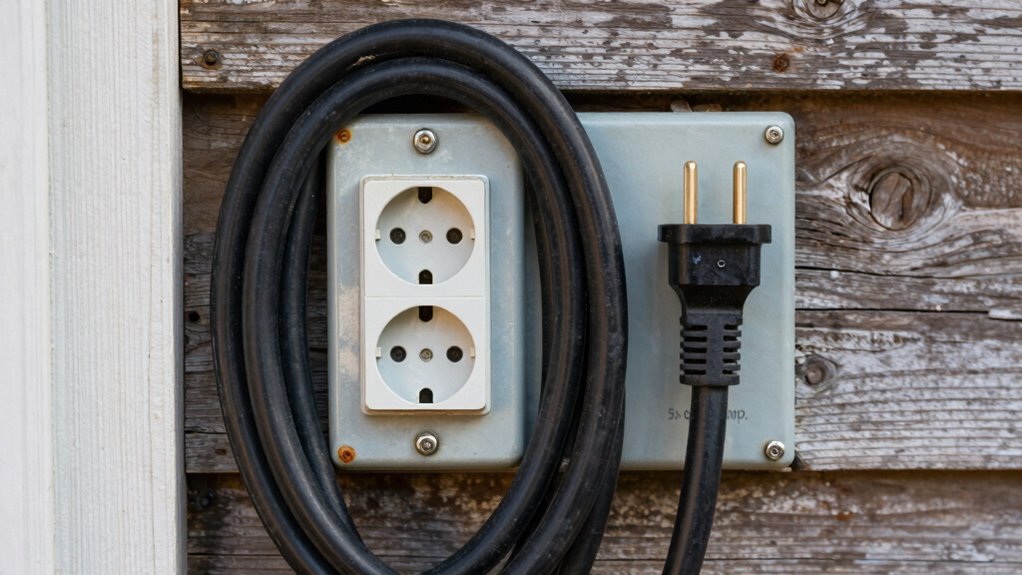
When choosing between a 50-amp and 30-amp electrical hookup, understanding your power needs is essential. The decision isn’t just about plug size; it influences your entire setup, including generator efficiency and installation costs. The 50-amp connection delivers more power, ideal if you have multiple appliances or larger RVs, while a 30-amp setup suits smaller rigs or fewer devices. But many backup buyers overlook how these choices impact overall efficiency and expenses.
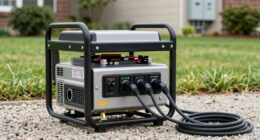
Generator efficiency plays a crucial role in this decision. A 50-amp hookup requires a more powerful generator to supply the higher amperage, which often means a larger, more expensive, and less fuel-efficient model. Conversely, a 30-amp system can run on smaller generators, which tend to be more fuel-efficient and easier to maintain. If you’re concerned about long-term operation costs and fuel consumption, opting for a 30-amp setup might make more sense. It reduces the strain on the generator, making it run smoother and last longer, ultimately saving you money over time. Additionally, understanding the power capacity of each setup helps you plan more effectively for both current and future needs. If you plan to upgrade your RV or add appliances that demand more power, investing in a 50-amp hookup now might be more economical in the long run.
But it’s also important to consider how electrical compatibility influences your choice, especially if you’re upgrading or customizing your setup. Many people get caught up in the initial perceived convenience or compatibility, but understanding how each setup influences generator efficiency and installation costs helps you make a smarter choice. Recognizing the installation costs involved can prevent unexpected expenses and ensure your setup is both safe and compliant with electrical codes. Additionally, considering the future expansion potential can help you avoid costly upgrades later on. Remember, the right hookup isn’t just about what fits today but what makes sense for your ongoing needs and budget. By considering these factors carefully, you can avoid common pitfalls and select the setup that offers the best balance of power, efficiency, and affordability.
Top picks for "decision backup buyer"
Open Amazon search results for this keyword.
As an affiliate, we earn on qualifying purchases.
Frequently Asked Questions
Can I Upgrade My Generator From 30 to 50 Amps Later?
Yes, you can upgrade your generator from 30 to 50 amps later, but it depends on your generator’s capacity and power compatibility. You need to verify that your generator can handle the increased capacity and that your transfer switch and wiring are compatible with the higher amperage. Consulting a professional is wise to confirm that your system can safely support the upgrade without risking damage or safety issues.
Are There Safety Concerns With Using a 50 Amp Outlet for a 30 Amp Device?
Using a 50 amp outlet for a 30 amp device isn’t inherently dangerous, but it can be risky if you’re not cautious. The main safety concerns involve voltage compatibility and plug differences; a 50 amp outlet may supply more power than your device can handle, potentially causing damage or fire. Always verify your device’s specifications match the outlet, and use proper adapters or upgrades to avoid dangerous mishaps.
How Do Weather Conditions Affect 50 Amp and 30 Amp Connections?
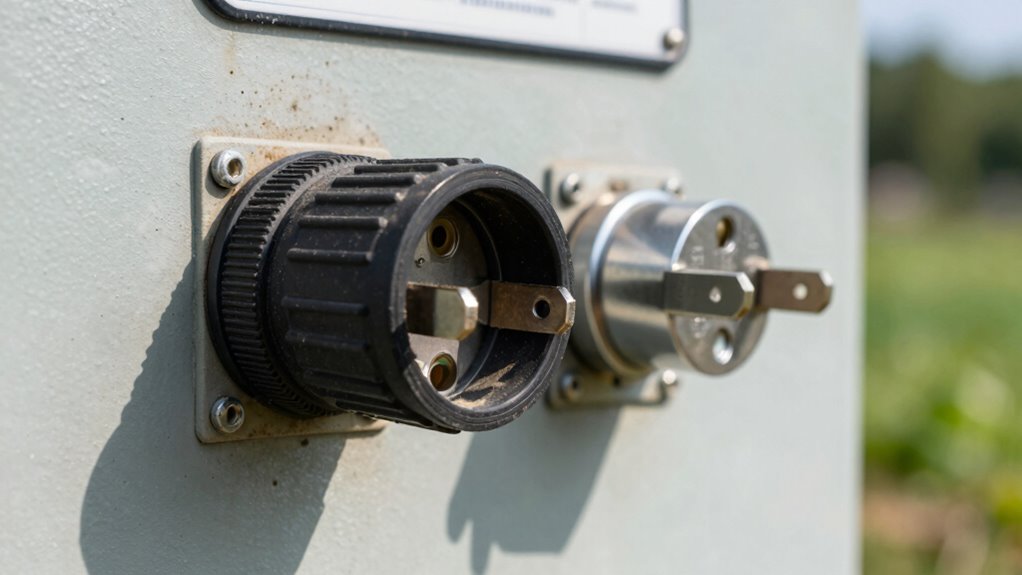
Weather conditions can greatly impact your 50 amp and 30 amp connections, affecting electrical compatibility and weather resilience. Moisture, rain, and snow can cause corrosion or short circuits if connections aren’t properly sealed or rated for outdoor use. Extreme temperatures can also strain the wiring. To guarantee safety and reliable operation, choose weather-resistant outlets and cover them securely, especially during harsh weather, and regularly inspect your connections for any signs of damage.
Is Wiring Complexity Different Between 50 Amp and 30 Amp Setups?
Did you know 50 amp setups are roughly twice as complex as 30 amp ones? When wiring a 50 amp system, you’ll need thicker wiring insulation to handle higher currents and a more robust circuit breaker to prevent overloads. In contrast, 30 amp setups typically use simpler wiring and smaller breakers. So, wiring complexity definitely varies, requiring careful consideration to guarantee safety and proper function.
What Are the Cost Implications of Choosing 50 Amp Over 30 Amp?
Choosing a 50 amp setup costs more upfront because of higher equipment and wiring expenses, especially if your home’s electrical system isn’t already compatible. You’ll need to verify voltage compatibility and find the right plug compatibility for the 50 amp inlet, which can add to the cost. While it offers more power, expect to pay extra for the advanced wiring and connectors, making it a pricier option compared to a 30 amp system.
Conclusion
Choosing between 50 and 30 amps is like selecting the right key to release your power needs. The 50-amp connection opens the door to bigger, brighter possibilities, while the 30-amp keeps things simple and steady. Know your destination before you decide; your choice shapes your journey. Trust your instinct, listen to your needs, and remember—this decision isn’t just about current, but about lighting your path forward with confidence and clarity.