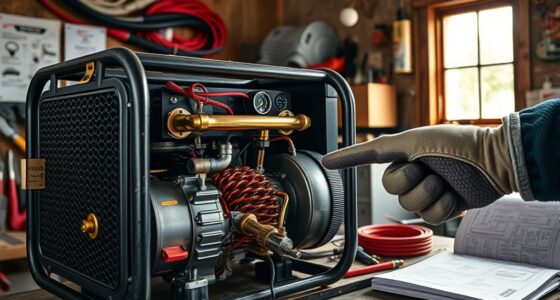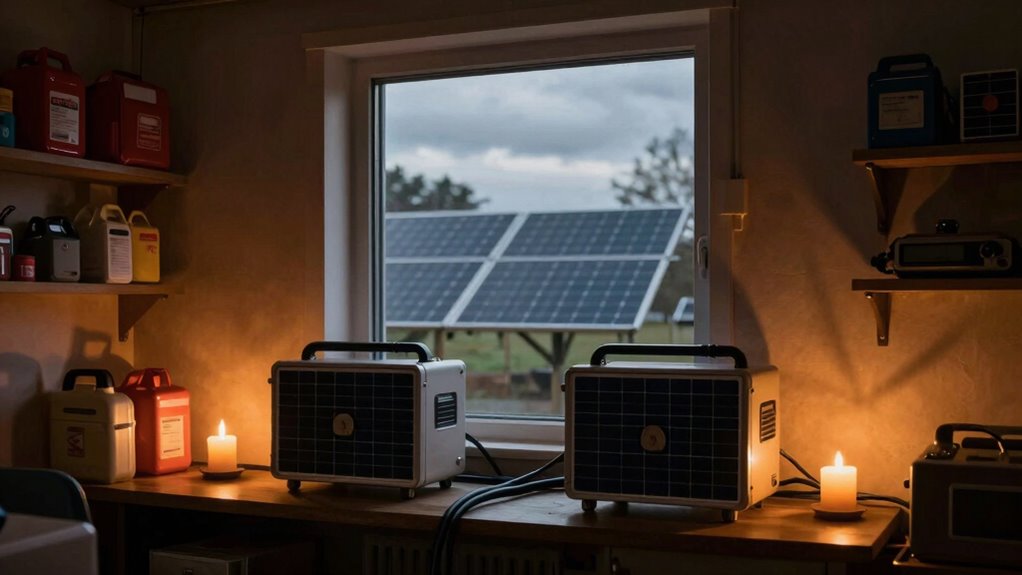
When a blackout strikes, having a reliable solar generator can be a lifesaver. The best options combine portability, enough capacity to power essential devices, and the ability to recharge via solar panels for independence from the power grid. The Jackery Solar Generator 1000 V2 stands out as the best overall choice with its high capacity and versatile charging, while the BroWey 1600W Portable Power Station offers impressive power storage and built-in solar panels for extended use. However, tradeoffs include higher costs and larger sizes for more capacity, or limited features for budget picks. Keep reading for a full breakdown of these options and what makes each suitable for different needs.

Get backup power and energy gear delivered free — and shop member deals
- Fast, free delivery on millions of items
- Access to Prime Big Deal Days deals on October 6–7
- Prime Video, Amazon Music and more included
Complete the kit


Key Takeaways
- The top-ranked solar generators balance capacity, portability, and solar recharging speed, making them suitable for various blackout scenarios.
- High-capacity models like the Jackery 1000 V2 provide reliable power but come at a higher price and weight, suitable for longer outages.
- Cheaper or smaller units often lack sufficient capacity or pure sine wave output, limiting their use for sensitive devices.
- Built-in solar panels or compatibility with portable panels significantly extend usability during prolonged outages.
- Battery chemistry, especially LiFePO4, impacts longevity and safety, which is critical for emergency backup systems.
| Jackery Explorer 300 Portable Power Station, 292Wh |  | Best Overall for Portability and Versatile Use | Weight: 7.5 lbs | Capacity: 292Wh | Outlets: 2 AC, 1 USB-C PD, 2 USB-A, 1 Car port | VIEW ON AMAZON | See Our Full Breakdown |
| Jackery Solar Generator 1000 V2 with 200W Solar Panel, 1070Wh, 1500W AC |  | Best for Heavy-Duty Backup and Extended Power Needs | Wattage: 1500W | Capacity: 1070Wh | Output: 3 AC outlets | VIEW ON AMAZON | See Our Full Breakdown |
| Portable Solar Generator 300W with 60W Solar Panel | 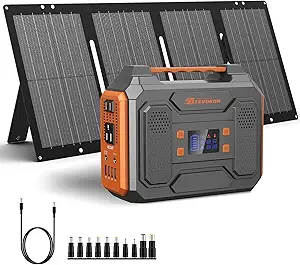 | Best for Compact, Low Power Emergency Use | Wattage: 300W | Capacity: Not specified | Outlets: Multiple including AC, USB, DC | VIEW ON AMAZON | See Our Full Breakdown |
| EnginStar 300W Portable Solar Generator, 296Wh Lithium Battery Backup with Dual 110V Pure Sine Wave Outlets |  | Best for Budget-Conscious Outdoor Power Backup | Wattage: 296Wh | Output: 2 AC outlets | Battery Type: Lithium | VIEW ON AMAZON | See Our Full Breakdown |
| Anker SOLIX C300 Portable Power Station, 288Wh Solar Generator for Camping |  | Best for Versatile Outdoor and Emergency Power | Battery Capacity: 288Wh | Power Output: 300W (600W surge) | Number of Outlets: 8 | VIEW ON AMAZON | See Our Full Breakdown |
| Jackery Solar Generator 300 with 40W Solar Panel, 292Wh, 300W AC |  | Best Overall for Portable Backup Power | Wattage: 300 watts | Fuel Type: Electric | Power Source: Battery Powered | VIEW ON AMAZON | See Our Full Breakdown |
| BROWEY 1600W Portable Power Station with 1024Wh LiFePO4 Battery and Built-in Solar Panel |  | Best for High-Capacity Off-Grid Backup | Battery Capacity: 1024Wh | Battery Cell Type: LiFePO4 | Output Wattage: 1600W | VIEW ON AMAZON | See Our Full Breakdown |
| Portable Solar Generator 300W Power Station with 60W Foldable Solar Panel |  | Best for Lightweight Outdoor Emergency Power | Battery Capacity: 296Wh | Power Output: 300W | AC Outlets: 2 (110V pure sine wave) | VIEW ON AMAZON | See Our Full Breakdown |
| EnginStar Portable Power Station 300W 296Wh Solar Generator |  | Best for Budget-Conscious Emergency Power | Wattage: 296Wh | Fuel Type: Electric | Power Source: Battery Powered | VIEW ON AMAZON | See Our Full Breakdown |
| Jackery HomePower 3600 Plus Portable Power Station with Solar Panels |  | Best for Large-Scale Home Backup and Emergency Power | Output Power: 3600W | Capacity: 3584Wh | Expandable Capacity: up to 21kWh | VIEW ON AMAZON | See Our Full Breakdown |
| solar generators for blackout backup | Weight | Wattage |
|---|---|---|
| Jackery Explorer 300 Portable | 7.5 lbs | — |
| Jackery Solar Generator 1000 V | 23.8 lbs | 1500W |
| Portable Solar Generator 300W | Lightweight | 300W |
| EnginStar 300W Portable Solar | 6.5 pounds | 296Wh |
| Anker SOLIX C300 Portable Powe | 4.13 kg | — |
| Jackery Solar Generator 300 wi | — | 300 watts |
| BROWEY 1600W Portable Power St | 26 pounds | — |
| Portable Solar Generator 300W | 6.5 pounds | — |
| EnginStar Portable Power Stati | 6.5 pounds | 296Wh |
| Jackery HomePower 3600 Plus Po | 77.2 pounds | — |
More Details on Our Top Picks
Jackery Explorer 300 Portable Power Station, 292Wh
The Jackery Explorer 300 stands out for its lightweight design, making it perfect for outdoor excursions and emergency kits. Compared to larger models like the Jackery Solar Generator 1000 V2, it offers less capacity but excels in portability and ease of use. Its durable LiFePO4 battery ensures long-term reliability through over 4,000 charge cycles, which is advantageous for frequent users. However, its 292Wh capacity limits the number and size of devices it can support simultaneously, especially during extended outages. The absence of a solar panel included means you need to purchase one separately, which might add to the cost. It’s an ideal choice for those who prioritize lightweight backup power for small devices or short-term emergencies, but not for powering larger appliances during a blackout.
Pros:- Extremely lightweight and portable at only 7.5 lbs
- Multiple charging options including AC, USB-C PD, and car port
- Long-lasting LiFePO4 battery with over 4,000 charge cycles
- Supports fast solar charging
Cons:- No included solar panel, requiring extra purchase
- Limited to 300W rated output, not suitable for high-power devices
Best for: Outdoor enthusiasts and emergency kit owners needing lightweight, portable power for small devices.
Not ideal for: Homeowners seeking to backup larger appliances or during prolonged power outages due to its limited capacity.
- Weight:7.5 lbs
- Capacity:292Wh
- Outlets:2 AC, 1 USB-C PD, 2 USB-A, 1 Car port
- Rated Power:300W
- Peak Surge:600W
- Charge Cycles:over 4,000
Our verdict“This model makes the most sense for outdoor users and small device backup, but not for whole-house or high-power needs.”
Jackery Solar Generator 1000 V2 with 200W Solar Panel, 1070Wh, 1500W AC
The Jackery Solar Generator 1000 V2 is tailored for those who need substantial power during outages, with a 1070Wh capacity and 1500W AC output. It surpasses the EnginStar 300W in capacity and runtime, making it suitable for running multiple appliances simultaneously. Its lightweight design of 23.8 lbs helps with portability, but it’s heavier than smaller options, which could be a concern for frequent transport. While it offers fast recharge capabilities, it requires enabling an emergency charging mode, adding a slight complexity for quick recharging. The generator and solar panel are sold separately, increasing initial setup costs. This device makes the most sense for users who want reliable, long-term backup power for home or outdoor use, but those with limited space or budget might find it overkill.
Pros:- High 1070Wh capacity supports multiple devices simultaneously
- Powerful 1500W continuous AC output
- Fast recharge times with quick charging features
- Durable battery designed for over 10 years of use
Cons:- Requires separate purchase of solar panel and generator
- Slightly heavier at 23.8 lbs for portable use
Best for: Homeowners or campers needing reliable, high-capacity backup power for multiple devices during extended outages.
Not ideal for: Users seeking a lightweight, all-in-one portable solution for occasional small device charging.
- Wattage:1500W
- Capacity:1070Wh
- Output:3 AC outlets
- Charge Time:1 hour
- Weight:23.8 lbs
- Dimensions:12.87″L x 8.82″W x 9.72″H
Our verdict“Ideal for those prioritizing high capacity and long runtime over extreme portability, especially during prolonged blackouts.”
Portable Solar Generator 300W with 60W Solar Panel
The Portable Solar Generator 300W with a 60W foldable solar panel offers a convenient solution for outdoor camping and small emergency needs. Compared to larger units like the EnginStar 300W, it is notably more compact and lightweight, making it easier to carry. Its 300W output limits it to small devices, such as phones, tablets, and small LED lights, and it cannot handle high-power appliances. The inclusion of a 60W foldable solar panel enhances recharging flexibility, but performance drops in low-light conditions and in bad weather. The junction box is not waterproof, so outdoor use requires some protection. This generator makes the most sense for users who need a lightweight, portable backup for small devices, but it’s not suitable for powering larger or more energy-intensive equipment during extended outages.
Pros:- Includes a 60W foldable solar panel for flexible recharging
- Multiple outlets including AC, USB, and DC ports
- Compact and lightweight for portability
- Built-in flashlight with SOS mode
Cons:- Limited to 300W output, unsuitable for high-power devices
- Performance declines in low-light conditions
Best for: Campers or emergency kit owners needing a compact, portable power source for small devices.
Not ideal for: Homeowners wanting to backup appliances or larger gadgets during prolonged power failures.
- Wattage:300W
- Capacity:Not specified
- Outlets:Multiple including AC, USB, DC
- Charge Panel:60W foldable solar panel
- Weight:Lightweight
- Additional Features:Built-in flashlight, SOS mode
Our verdict“Best suited for outdoor camping and emergency small device backup, but not for powering larger appliances or long-term outages.”
EnginStar 300W Portable Solar Generator, 296Wh Lithium Battery Backup with Dual 110V Pure Sine Wave Outlets
The EnginStar 300W offers a reliable 296Wh capacity with dual pure sine wave outlets, making it suitable for sensitive electronics like laptops and small appliances. It compares favorably to the Jackery Explorer 300 in capacity but emphasizes safety with multiple protections against overload, short circuit, and overheating. At only 6.5 lbs, it provides impressive portability for camping or short-term emergencies, though it cannot power larger devices or run for extended periods. Its 300W limit means it’s best for small devices, and the solar panel is sold separately, adding to initial costs. It’s a solid choice for users who want dependable, lightweight backup power for small electronics, but not for sustained use of high-power appliances during blackouts.
Pros:- Very lightweight at 6.5 lbs, easy to carry
- Pure sine wave outlets safe for sensitive electronics
- Multiple recharge options including solar, AC, and car
- Comprehensive safety protections
Cons:- Supports devices under 300Wh, limiting use for larger equipment
- Solar panel sold separately, increasing total cost
Best for: Campers and emergency users needing lightweight, safe power for small electronics.
Not ideal for: Users requiring backup of larger appliances or long-duration power during outages.
- Wattage:296Wh
- Output:2 AC outlets
- Battery Type:Lithium
- Charge Time:Fast recharge options
- Weight:6.5 pounds
- Additional Features:Overload and safety protections
Our verdict“Best for lightweight, portable backup of small devices in outdoor or emergency situations, but not for high-power or long-term needs.”
Anker SOLIX C300 Portable Power Station, 288Wh Solar Generator for Camping
The Anker SOLIX C300 provides 288Wh of capacity with multiple ports, making it a solid choice for outdoor adventures and emergency backup. Its 8 outlets, including USB-C and AC, support a variety of devices, and it charges quickly via wall or solar in about 68 minutes. Compared to Jackery Explorer 300, it offers more outlets and faster recharge times, but it weighs slightly more at 4.13 kg, which could impact portability for some. The need for a separate solar panel purchase and compatibility restrictions may limit some users. This generator suits those who want a versatile, fast-charging power station for small to medium devices during outings or outages, but not for powering high-wattage appliances or for very long durations.
Pros:- High capacity of 288Wh supports multiple devices
- Fast 50-minute recharge via wall outlet
- Multiple versatile charging ports including USB-C and AC
- Solar-compatible for sustainable energy
Cons:- Solar panel not included, requiring additional purchase
- Heavier than some compact options at 4.13 kg
Best for: Outdoor enthusiasts and emergency users needing multiple ports and quick recharge for small to medium devices.
Not ideal for: Those seeking an all-in-one solution with a solar panel included or planning to power large appliances.
- Battery Capacity:288Wh
- Power Output:300W (600W surge)
- Number of Outlets:8
- Charge Time:68 minutes
- Weight:4.13 kg
- Recharging Options:Wall, Solar, Car
Our verdict“Ideal for outdoor adventures and emergency backup with multiple device support and fast recharging, but not for large appliance use.”
Jackery Solar Generator 300 with 40W Solar Panel, 292Wh, 300W AC
The Jackery Explorer 300 stands out for its portability paired with versatile charging options, making it a reliable backup during blackouts, especially when paired with Jackery’s solar panels. Compared to larger units like the Jackery HomePower 3600 Plus, it’s less suited for powering high-demand appliances but excels in mobility and ease of use. Its long-lasting LiFePO4 battery ensures over 4,000 cycles, offering peace of mind for ongoing backup. However, it weighs nearly 13 pounds, which could be cumbersome for some users needing a truly backpackable option. The need to purchase solar panels separately adds an extra step and cost, making it less ideal for those seeking an all-in-one solution. This model is best for individuals who prioritize lightweight, reliable backup power for essential devices during outages or outdoor trips, but not for high-wattage appliances or extended power needs.
Pros:- Lightweight and portable design for easy carrying
- Multiple charging options including AC, USB-C, and car port
- Long-lasting LiFePO4 battery with over 4,000 charge cycles
- Fast solar charging with compatible panels
Cons:- Relatively high weight for backpackers
- Limited to 300W output, not suitable for high-power devices
- Requires separate purchase of solar panels for solar charging
Best for: Campers and homeowners seeking a portable, reliable backup for essential appliances during outages
Not ideal for: People needing to power heavy-duty appliances or looking for an all-in-one solar solution without extra purchases
- Wattage:300 watts
- Fuel Type:Electric
- Power Source:Battery Powered
- Voltage:120 volts
- Output Wattage:300 watts
- Item Weight:12.9 pounds
- Item Dimensions:15.43″L x 9.92″W x 11.89″H
Our verdict“Ideal for those needing a portable, reliable backup for small to medium devices during outages or outdoor activities.”
BROWEY 1600W Portable Power Station with 1024Wh LiFePO4 Battery and Built-in Solar Panel
The BROWEY 1600W offers impressive continuous power and a substantial 1024Wh capacity, making it a strong choice for extended outages or off-grid living. Its built-in 40W solar panel allows for renewable energy input, reducing reliance on grid power, and its 8 outlets support multiple devices simultaneously. Compared with the smaller Jackery Explorer 300, this unit can handle higher wattage appliances, providing more comprehensive backup. The tradeoff is its weight—at 26 pounds, it’s less portable but better suited for stationary backup. The relatively low solar input (40W) may slow recharging, especially if multiple devices drain the battery during prolonged outages. This pick is best for users who need substantial, reliable power on-site, and can accommodate its size and weight.
Pros:- High-capacity 1024Wh LiFePO4 battery with long lifespan
- Multiple charging options including solar, AC, and car outlet
- Built-in 40W solar panel for renewable energy use
- Powerful 1600W continuous output
Cons:- Heavy at 26 pounds, less portable
- Limited to 40W solar input, slower recharging
- Price not specified, potentially higher cost
Best for: Homeowners or campers seeking a high-capacity, solar-charged backup for multiple devices during extended outages
Not ideal for: Individuals requiring lightweight or portable solutions for traveling or backpacking
- Battery Capacity:1024Wh
- Battery Cell Type:LiFePO4
- Output Wattage:1600W
- Peak Power:3200W
- Number of Outlets:8
- Weight:26 pounds
- Built-in Solar Panel:40W
Our verdict“Best suited for users needing significant, renewable power capacity for stationary backup or off-grid use.”
Portable Solar Generator 300W Power Station with 60W Foldable Solar Panel
This 300W portable generator with a 296Wh battery is designed for outdoor enthusiasts who need quick, reliable power for small devices. Its compact 6.5-pound frame makes it easy to carry, and the included 60W foldable solar panel enables recharging in sunny conditions. While the 300W capacity is enough for smartphones, laptops, and small appliances, it won’t support high-wattage tools or large appliances—limiting its use during serious blackouts. Compared with larger units like the Jackery Explorer 300, it offers similar power but adds the convenience of an integrated solar panel. However, solar input is limited at 60W, which can slow recharging if many devices are in use. This option makes the most sense for outdoor trips or emergency kits for small device backup, not for powering entire households.
Pros:- Lightweight at only 6.5 pounds for easy portability
- Includes a foldable 60W solar panel for recharging in sunlight
- Multiple output ports for simultaneous device charging
- Pure sine wave AC outlets for safe operation of sensitive electronics
Cons:- Limited to small appliances and devices
- Solar input only 60W, slow for recharging large batteries
- Battery capacity may be insufficient for extended use
Best for: Hikers, campers, and emergency kits for small device charging during outages or outdoor trips
Not ideal for: Homeowners seeking to backup large appliances or run multiple devices during extended blackouts
- Battery Capacity:296Wh
- Power Output:300W
- AC Outlets:2 (110V pure sine wave)
- USB Ports:2 USB-A, 1 USB-C
- Weight:6.5 pounds
- Solar Panel Power:60W
Our verdict“Perfect for outdoor use or small emergency needs where portability is a priority, but not for large-scale blackout backup.”
EnginStar Portable Power Station 300W 296Wh Solar Generator
The EnginStar 300W offers a straightforward, lightweight solution for basic backup needs, especially for quick recharging of phones, laptops, or small gadgets. Its 296Wh capacity aligns closely with the Portable Solar Generator 300W and makes it suitable for short-term outages or outdoor activities. It supports three charging methods—solar, AC, and car—adding flexibility. Compared to larger, more feature-rich units, it lacks enhanced safety features and has a modest solar input, making recharging slower under limited sunlight. Weighing just over 6.5 pounds, it’s highly portable but also limited in power output, which restricts its ability to sustain multiple or high-wattage devices during prolonged outages. It’s best for users who need a simple, affordable backup for essential small devices and are willing to accept slower recharge times.
Pros:- Lightweight and portable at just over 6.5 pounds
- Supports multiple charging options including solar, AC, and car
- Simple, reliable design with essential safety features
- Supports multiple devices simultaneously
Cons:- Limited to 300W output, not for high-wattage devices
- Solar panel not included, additional purchase needed
- Battery capacity may be insufficient for long-term outages
Best for: Budget-conscious individuals needing quick, portable backup for small devices during short outages
Not ideal for: Those seeking to power larger appliances or require fast recharging for longer outages
- Wattage:296Wh
- Fuel Type:Electric
- Power Source:Battery Powered
- Voltage:110 volts
- Output Wattage:300 watts
- Item Dimensions:9.1″L x 5″W x 7″H
- Weight:6.5 pounds
Our verdict“A practical, affordable option for quick backup of small devices when portability and cost are priorities.”
Jackery HomePower 3600 Plus Portable Power Station with Solar Panels
The Jackery HomePower 3600 Plus provides a substantial 3584Wh capacity with a 3600W output, making it suitable for powering household appliances during blackouts. Its expandable capacity up to 21kWh makes it ideal for emergency preparedness or off-grid living. Compared to smaller, portable units like the Browey 1600W, it sacrifices portability for sheer power and capacity, featuring wheels and a telescopic handle for easier movement. The main drawback is that solar panels are sold separately, adding to the overall cost. Despite its weight of over 77 pounds, it’s designed with portability in mind for stationary backup. This model suits users who want a reliable, high-capacity power source for home or large outdoor setups, though it’s not suited for frequent transport or quick mobility.
Pros:- High power output suitable for household appliances
- Expandable capacity for larger energy needs
- Wheels and handle for easier mobility despite weight
- Multiple charging options including solar and gas generator
Cons:- Heavy weight at over 77 pounds, less portable
- Solar panels sold separately, increasing overall cost
- Limited detailed info on smart features or app integration
Best for: Homeowners or preppers needing a large, expandable backup system for essential home appliances
Not ideal for: Individuals seeking lightweight, portable solutions for outdoor trips or minimal emergency preparedness
- Output Power:3600W
- Capacity:3584Wh
- Expandable Capacity:up to 21kWh
- Weight:77.2 pounds
- Dimensions:15.2 x 12.2 x 19.3 inches
- Number of Outlets:4
Our verdict“Best suited for homeowners or preppers looking for a large, reliable backup system with expandability but willing to handle its size and cost.”

How We Picked
I evaluated these solar generators based on their capacity to support essential devices during power outages, their rechargeability via solar panels, portability, build quality, and overall value. Priority was given to models with reliable battery chemistry, user-friendly interfaces, and proven safety features. The ranking reflects a balance between performance, price, and versatility, aiming to recommend options suitable for different types of users—from casual homeowners to outdoor enthusiasts seeking backup power. Products were selected for their real-world applicability in blackout situations, ensuring they can deliver dependable backup when needed most.Factors to Consider When Choosing Solar Generators For Blackout Backup
Choosing the right solar generator for blackout backup involves understanding several key factors. Capacity determines how many devices and how long you can run them, while solar recharging speed affects how quickly you can restore power without grid access. Portability matters if you plan to move the generator around, and compatibility with solar panels is essential for extended use. Battery chemistry impacts longevity and safety, so considering LiFePO4 batteries can be worthwhile. Finally, weigh your budget against these features to find a solution that offers real value for your specific emergency needs.Capacity and Power Output
The capacity of a solar generator, measured in watt-hours (Wh), directly influences how long it can power your devices during a blackout. For essential needs like phones, radios, and small appliances, a unit with at least 300Wh can suffice; for longer outages or to power larger devices, look for 1000Wh or more. Power output, rated in watts (W), determines what devices can run simultaneously—ensure your generator can handle the surge wattage of appliances like refrigerators or power tools. Balancing capacity and power output is critical to avoid buying a unit that can’t meet your power demands.
Rechargeability and Solar Panel Compatibility
Fast and flexible recharging options are vital during extended outages. While many generators can be recharged via AC outlets, solar panel compatibility transforms them into truly independent backup systems. Check if the model supports solar input wattage sufficient to recharge in a reasonable time frame—higher wattage input means faster replenishment. Additionally, verify if the generator is compatible with standard solar panels or if it requires proprietary panels, which can influence overall costs and flexibility. This factor becomes especially important if grid power is unreliable or unavailable for days at a time.
Portability and Size
If you need to move your generator around within your home or outdoors, size and weight matter. Smaller, lighter units are easier to handle but often come with limited capacity. Larger, more powerful models may be better suited for stationary backup or outdoor camping but can be cumbersome to transport. Consider your space constraints, whether you’ll need to carry it during emergencies, and how often you expect to move it. A balance between capacity and portability ensures you get a unit that fits your emergency prep plan without becoming a burden.
Battery Chemistry and Longevity
Battery chemistry influences the lifespan and safety of your solar generator. LiFePO4 batteries, for example, offer longer cycle life and are more stable under stress, making them ideal for repeated use in backup scenarios. Cheaper lithium-ion batteries might degrade faster, reducing overall reliability. Investing in a model with durable chemistry can save money over time and ensure your device performs when needed most. Keep in mind that battery replacement costs and capacity retention over years are important considerations for long-term preparedness.
Budget and Overall Value
While it might be tempting to opt for the cheapest model, it’s important to weigh price against features and reliability. Cheaper generators often sacrifice capacity, build quality, or solar compatibility, limiting their usefulness during serious outages. Conversely, premium options provide higher capacity, faster solar recharge, and better safety features—justifying their higher price tags if your needs demand robust backup power. Consider your typical outage duration, device list, and future needs to find a solution that offers true value without overspending on unnecessary features.
Frequently Asked Questions
How long can a solar generator power essential devices during a blackout?
The duration depends on the generator’s capacity and the power consumption of your devices. For example, a 300Wh unit could run a small fridge for about 4-6 hours or charge phones multiple times. Larger models with 1000Wh or more can sustain essential appliances for days, especially if you limit usage. To maximize runtime, prioritize critical devices and consider how many devices you need to power simultaneously. Proper planning ensures your backup system meets your needs without overestimating its capabilities.
Can I recharge my solar generator during a prolonged blackout?
Yes, if your generator supports solar input, you can recharge it with compatible solar panels. The recharge time depends on the panel wattage and the capacity of the unit. Higher wattage panels will restore power faster, which is especially useful if grid power remains unavailable for days. Keep in mind that weather conditions, panel orientation, and shading can affect solar recharging efficiency. For extended outages, investing in a generator with high solar input capacity and compatible panels can provide a continuous power supply without relying on the grid.
Are all solar generators safe to use indoors?
Most modern solar generators with built-in safety features are safe for indoor use, but it’s essential to follow manufacturer instructions. Look for models with pure sine wave output, which prevents damage to sensitive electronics, and built-in ventilation or safety shut-offs. Avoid placing units in enclosed spaces without proper ventilation, as batteries can generate heat during charging or discharging. Checking product specifications for safety certifications can help you select a generator suitable for indoor emergencies.
What size of solar generator do I need for a small home backup?
For small home backup needs, a generator with at least 500-1000Wh capacity can power essential devices like phones, lights, and small appliances for several hours. If you want to run a refrigerator or other larger appliances, consider models with 1500Wh or more, along with sufficient wattage to handle surge loads. Planning your power needs ahead of time ensures you select a generator capable of supporting your critical devices during outages without overpaying for excessive capacity.
Is it better to buy a generator with built-in solar panels or separate panels?
Generators with built-in solar panels offer convenience and compactness, ideal for quick setup and portability. However, separate panels often provide higher wattage and flexibility, allowing you to upgrade or replace them more easily. If you expect to rely heavily on solar recharging during prolonged outages, investing in a generator compatible with larger, more efficient panels may be the better choice. Consider your space, portability needs, and budget when deciding between integrated or separate solar options.
Conclusion
For those seeking a reliable, all-around backup power solution, the Jackery Solar Generator 1000 V2 stands out as the best overall, offering a balanced mix of capacity, portability, and solar compatibility. Budget-conscious buyers should consider smaller units like the EnginStar 300W, which provide essential backup at a lower cost. For users with higher power needs or longer outage expectations, the BroWey 1600W Portable Power Station offers impressive capacity and built-in solar panels, though at a premium price. Beginners and casual users will find the simpler, more portable models easier to operate, while preppers or professionals should prioritize units with higher capacity and longer battery life to ensure dependable backup during extended blackouts.
Fall Picks
fall essentials
As an affiliate, we earn on qualifying purchases.