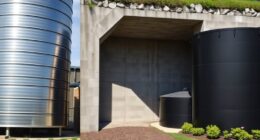
When installing generators in high‑wind or seismic zones, you need a strong, well-designed foundation that can support the weight and resist shifting. Carefully evaluate soil conditions, and choose reinforced concrete slabs or other suitable foundation types. Use anchors like heavy-duty bolts or seismic restraints that meet local codes, ensuring proper placement for even load distribution. Regular inspections and maintenance help keep everything secure and durable over time. To find out how to make your setup even safer, keep exploring these important details.
Key Takeaways
- Conduct thorough soil and ground evaluations to ensure foundation stability and suitable load-bearing capacity.
- Design and install reinforced concrete foundations capable of absorbing wind and seismic forces.
- Use compliant, high-strength anchoring systems resistant to corrosion and seismic activity for secure equipment attachment.
- Collaborate with experienced engineers to integrate foundation and anchoring considerations into overall generator design.
- Implement regular inspection and maintenance routines to monitor and preserve foundation integrity and anchoring effectiveness.

Installing generators in high‑wind or seismic zones requires careful planning and adherence to specialized building codes. Your goal is to guarantee the generator remains operational and safe during extreme weather events or seismic activity. One of the most critical aspects of this process is foundation considerations. You need a solid, well-designed foundation capable of supporting the weight of the generator while resisting lateral loads caused by wind or seismic forces. When planning, evaluate the soil conditions to determine if the ground can bear the load without shifting or settling. Reinforced concrete slabs are often recommended, as they provide a sturdy base that minimizes movement. Additionally, the foundation should be designed to absorb or distribute forces exerted during strong winds or earthquakes, preventing structural failure. Proper foundation design is essential for ensuring stability and durability in challenging conditions.
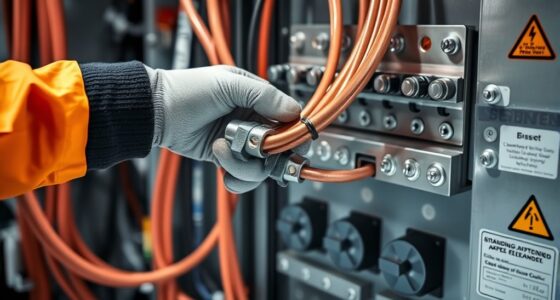
Equipment anchoring plays a crucial role in securing your generator against these forces. Proper anchoring ensures that the unit stays in place, avoiding damage or displacement during high winds or tremors. You should select anchoring systems that are compliant with local building codes and capable of withstanding the maximum expected loads. This might include heavy-duty anchor bolts, reinforced steel straps, or specially designed seismic restraints. The placement of anchors must be precise, ensuring even load distribution and minimizing stress concentrations that could lead to failure. When installing, confirm that anchors are embedded deeply enough into the foundation material and are resistant to corrosion or fatigue over time. For seismic zones, flexible or seismic-rated anchoring systems can absorb shock waves and movement, reducing the risk of structural damage.
It’s also essential to integrate these considerations into your overall design from the start, working closely with engineers experienced in high‑wind and seismic zone requirements. Neglecting foundation and anchoring details can lead to costly repairs or complete generator failure when it’s most needed. During installation, double-check that all equipment is securely anchored according to the manufacturer’s specifications and local codes. Regular inspections and maintenance are equally important to ensure that anchors remain intact and foundation integrity is preserved over time. By prioritizing these foundation considerations and robust equipment anchoring, you’ll considerably improve your generator’s resilience, ensuring reliable operation when power outages or natural disasters strike.
Frequently Asked Questions
How Long Does It Typically Take to Install a Generator in These Zones?
You can expect the installation timeline for a generator in high‑wind or seismic zones to take about 2 to 4 weeks. This includes site preparation, where you’ll make certain the area is secure and compliant with safety standards, and the actual installation process. Factors like local regulations and project complexity can extend this timeframe. Proper planning helps you avoid delays and guarantees your generator is safely operational.
Are There Specific Permits Required for High-Wind or Seismic Zone Installations?
Installing a generator in high-wind or seismic zones is like steering through a complex maze—you need specific permits. You must guarantee building code compliance, which often includes seismic or wind-resistance standards. Additionally, insurance requirements may demand detailed documentation of your installation plans. Check with local authorities to secure the necessary permits before starting, as failing to do so could lead to fines or coverage issues later on.
What Is the Estimated Cost Difference Compared to Standard Installations?
You can expect a cost increase of about 20-50% for high-wind or seismic zone installations compared to standard setups. The extra installation expenses stem from reinforced structures, specialized permits, and additional safety measures. These upgrades are essential to ensure your generator withstands extreme conditions, but they do add to your overall project costs. Planning for these increased expenses helps you budget effectively and avoid surprises during installation.
How Often Should Maintenance Be Performed in These High-Risk Areas?
You should perform maintenance at least twice a year, but in high‑wind or seismic zones, it’s wise to follow a strict maintenance schedule with more frequent inspections. This guarantees your generator stays reliable during extreme events. Increase inspection frequency if you notice any unusual vibrations, noises, or performance issues. Remember, neglecting these checks could lead to catastrophic failures—so prioritize regular maintenance to keep your power source resilient and ready.
Can Portable Generators Be a Viable Backup Solution in These Zones?
Portable generators can be a viable backup solution if you follow generator safety guidelines and adhere to zone-specific regulations. In high‑wind or seismic zones, confirm your generator is properly secured and regularly maintained to prevent accidents. Check local codes for any restrictions on portable units, and always operate them outdoors in well-ventilated areas. Proper planning and safety measures make portable generators a reliable backup in these challenging zones.
Conclusion
When installing generators in high-wind or seismic zones, prioritize safety and proper anchoring to prevent damage. Did you know that earthquakes can cause over $6 billion in damages annually? By following best practices, you can guarantee your generator withstands extreme conditions and keeps your power supply reliable. Remember, investing in quality installation not only protects your equipment but also keeps you safe during unpredictable natural disasters. Stay prepared, and don’t cut corners on safety!