
Stale fuel causes more problems than you might expect because it breaks down over time, forming varnish and gum that clog fuel lines, filters, and injectors. This reduces engine efficiency, increases emissions, and can even lead to engine stalls or failure to start. Moisture in the fuel accelerates corrosion and degrades performance further. If you want to avoid costly repairs and engine issues, understanding how to prevent these problems is essential. Keep going to find out more.

Get backup power and energy gear delivered free with Prime
- Fast, free delivery on millions of items
- Prime Video, Amazon Music and more included
- Member-only deals all year
Key Takeaways
- Stale fuel forms varnish and gum that clog fuel system components, leading to more severe engine issues than expected.
- Chemical changes in old fuel create deposits that significantly reduce engine efficiency and increase emissions.
- Moisture in stale fuel causes corrosion and water contamination, damaging engine parts beyond initial concerns.
- Ignoring stale fuel accelerates deposit buildup, resulting in costly repairs and potential engine failure.
- Proper storage and use of stabilizers mitigate hidden, long-term damage caused by stale fuel.
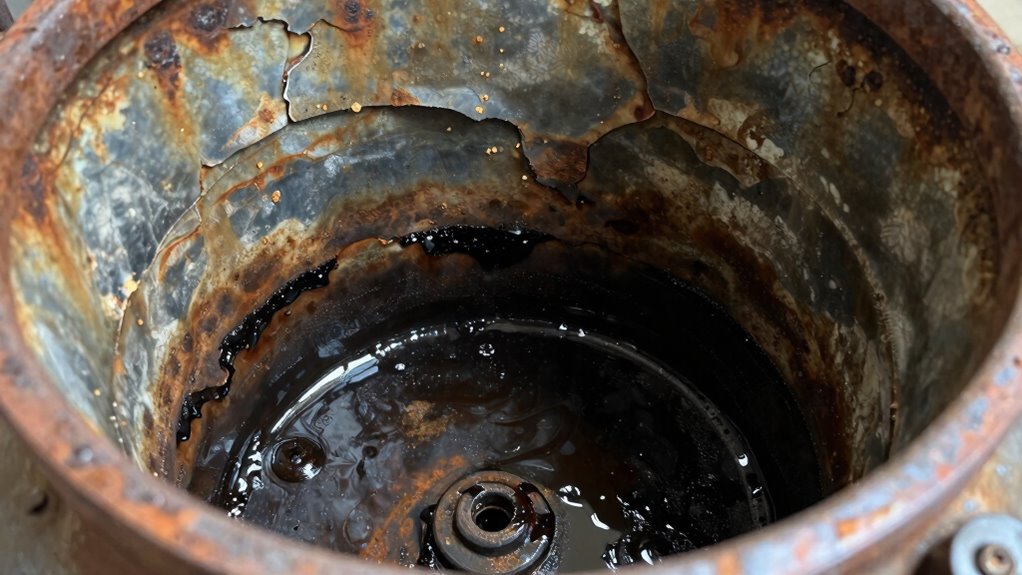
Have you ever noticed your vehicle struggling to start or running unevenly after sitting unused for a while? That’s often a sign of stale fuel, which can cause more problems than you might realize. When fuel sits in your tank for extended periods, it begins to break down, forming varnish and gum that clog fuel lines and filters. This buildup can lead to poor engine performance, misfires, or even complete failure to start. To prevent these issues, understanding the importance of fuel stabilization is essential, especially if you plan to store your vehicle for a season or longer.
Fuel stabilization is about adding chemicals to your fuel to slow down its degradation process. Using fuel stabilizers during storage techniques can considerably extend the shelf life of gasoline, ensuring it remains fresh and burns cleanly when you’re ready to use your vehicle again. It’s a simple step that can save you money and headaches, especially if you don’t drive often or store your vehicle for the winter months. When you add a stabilizer, it mixes thoroughly with the fuel, preventing the formation of varnish and gum, which are the main culprits behind stale fuel problems. Additionally, fuel storage standards recommend using proper containers and protective measures to maintain fuel quality over time. Proper storage techniques, such as using approved fuel containers, can also help prevent contamination and preserve fuel quality.
Fuel stabilizers extend gasoline shelf life, prevent varnish buildup, and keep your engine running smoothly.
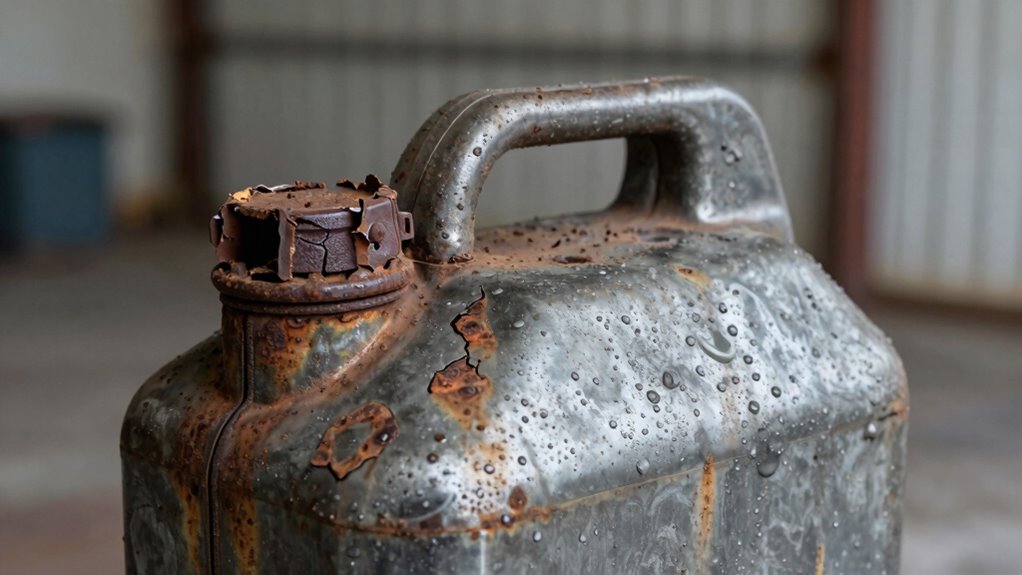
Proper storage techniques also play an essential role in maintaining fuel quality. Always keep your fuel tank as full as possible to minimize air space, which accelerates oxidation and the formation of moisture. Moisture in the tank can cause corrosion and lead to water contamination, both of which can harm your engine. If you’re storing your vehicle for an extended period, consider using a fuel stabilizer, then run the engine for a few minutes afterward to circulate the stabilizer through the fuel system. Proper ventilation around the vehicle and avoiding exposure to extreme conditions can also contribute to maintaining fuel integrity over time. Additionally, regularly inspecting your fuel system can help catch early signs of stale fuel or contamination before they cause significant issues.
Ignoring stale fuel can have serious consequences. Over time, the chemical changes in old fuel cause deposits that clog injectors and carburetors, reducing efficiency and increasing emissions. In worst-case scenarios, stale fuel can cause your engine to stall or fail to start altogether. The good news is that by implementing proper storage techniques and using fuel stabilization products, you can avoid these problems altogether. It’s a small investment of time and money that pays off by keeping your vehicle running smoothly and saving you from costly repairs down the line. Don’t wait until stale fuel causes your engine trouble—take proactive steps to keep your fuel fresh and your vehicle reliable.
Frequently Asked Questions
Can Stale Fuel Damage Your Vehicle’s Engine Permanently?
Stale fuel can indeed cause permanent engine damage if not addressed. It can clog fuel injectors and damage the fuel pump, leading to costly repairs. Proper fuel stabilization and storage techniques—like using fuel stabilizers and keeping fuel in airtight containers—help prevent this. If your fuel has gone stale, draining and replacing it promptly preserves your engine’s health, avoiding long-term damage caused by degraded fuel components.
How Long Does Fuel Stay Good Before Becoming Stale?
Fuel generally stays good for about three to six months, but fuel stability depends on storage conditions. To prevent it from becoming stale, store your fuel in a cool, dry, airtight container away from sunlight. Regularly check for changes in color or smell. Proper storage tips include using fuel stabilizers if you won’t use the fuel within this period, ensuring your engine runs smoothly and avoids problems caused by stale fuel.
Is Stale Fuel Harmful to Fuel Injectors?
Stale fuel can be harmful to your fuel injectors because poor fuel quality leads to clogging and deposits that strain injector performance. When fuel sits too long, it degrades, forming varnish and gum that stick to injectors, causing misfires or poor fuel atomization. Regular injector maintenance and using fresh fuel help prevent these issues, ensuring efficient engine operation and prolonging injector life. Don’t overlook the importance of good fuel quality.
Can Stale Fuel Cause Starting Issues in Engines?
Yes, stale fuel can cause starting issues in engines. Over time, fuel stability decreases, leading to the formation of varnish and deposits that clog your fuel system. This buildup hampers engine performance and makes starting more difficult. When fuel sits too long, it loses its combustibility, causing misfires or even engine failure to start. Regularly using fresh fuel guarantees ideal engine performance and prevents these frustrating starting problems.
What Are the Signs of Contaminated or Stale Fuel?
Think of contaminated fuel as a Trojan horse sneaking trouble into your engine. Signs include difficulty starting, rough idling, and decreased performance. You might notice a strange smell or engine knocking. To prevent this, use fuel additives to keep fuel fresh and stick to storage tips like sealing containers tightly and storing in a cool, dry place. These steps help keep your engine running smoothly and avoid hidden dangers.
Conclusion
So, next time you leave fuel sitting in your tank, imagine it turning into a thick, sticky nightmare that clogs your engine’s veins. Stale fuel isn’t just sitting still; it’s settling into dark, stubborn patches that resist your efforts to run smoothly. Don’t let your engine drown in this silent menace. Regularly freshen up your fuel, and keep your ride running as lively as a sunrise—bright, powerful, and ready to go.
Evergreen bestsellers Picks
bestsellers
As an affiliate, we earn on qualifying purchases.