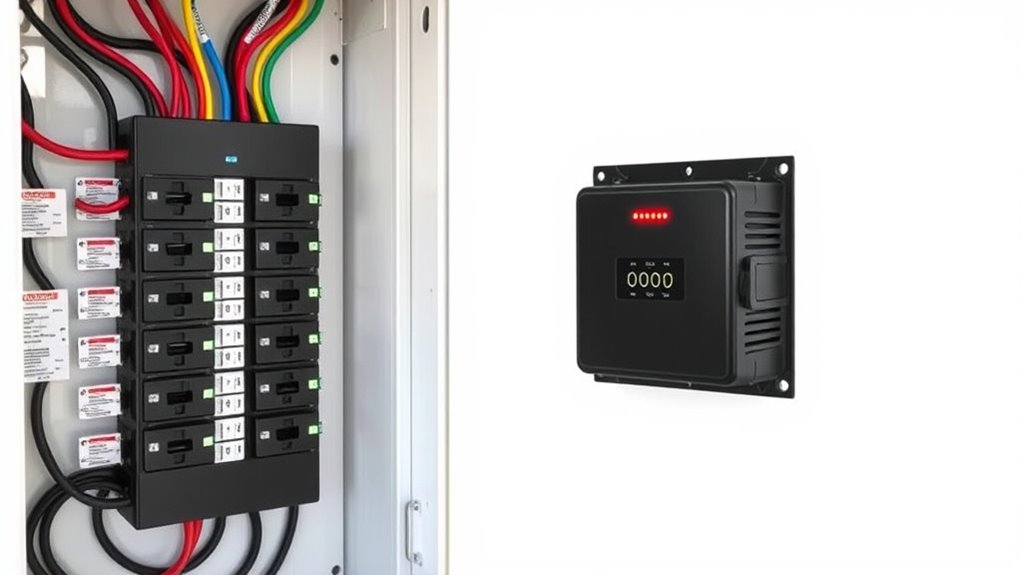

When it comes to protecting your entire home from power surges, a 200 amp whole house surge protector is essential, especially for homes with high electrical demands. The Siemens Boltshield FSPD140 stands out as the best overall choice thanks to its high surge capacity and reliability. For those seeking the best value, the Square D HEPD80 offers solid protection at a lower price point. If you’re after maximum surge capacity, the FHSPD108S provides robust performance for outdoor or indoor use. Keep reading to see how these options compare and find the right fit for your needs.

Get backup power and energy gear delivered free with Prime
- Fast, free delivery on millions of items
- Prime Video, Amazon Music and more included
- Member-only deals all year
Key Takeaways
- High surge capacity is critical for full-home protection, with many top models exceeding 100,000 amps.
- Installation complexity varies; some units are plug-in, while others require panel integration or professional wiring.
- Durability and weatherproofing are important for outdoor setups, especially in harsh climates.
- Pricing often correlates with surge capacity and build quality, but the most expensive isn’t always the best value.
- Compatibility with existing electrical panels and ease of integration can significantly influence the overall experience.


| amp whole house surge protector | Voltage |
|---|---|
| Whole House Surge Protector fo | 120/240V |
| Whole House Surge Protector | 240V |
| FHSPD108S Whole House Surge Pr | 120/240V |
| Siemens Boltshield FSPD140 Lev | 120/240V |
| Bad Wolf SP240V200KA Whole Hou | 120/240V |
| Square D HEPD80 Universal Whol | 120/240V |
| Leviton Type 1 Surge Protectiv | 120/240 VAC |
| FHSPD36S Whole House Surge Pro | 120/240V |
More Details on Our Top Picks
Whole House Surge Protector for 72,000 Amps/Phase, 1880 Joules, 120/240V
This surge protector stands out for its high surge capacity of 72,000 amps per phase, making it a reliable choice for most residential and light commercial panels. Unlike the Bad Wolf SP240V200KA, which offers a higher 200kA capacity but is bulkier and might be overkill for typical homes, this model balances power with simplicity. Its thermally protected MOVs help extend lifespan, and the visual indicator ensures quick status checks. However, it only has a single outlet and lacks smart features, which might be a downside for those wanting integrated monitoring. This unit suits homeowners seeking robust protection without smart tech complexity but not those with high device density or wanting remote monitoring.
Pros:- High surge capacity of 72,000 amps per phase ensures robust protection
- Durable thermally protected MOVs extend device lifespan
- Easy-to-read visual indicator simplifies status monitoring
- Universal fit compatible with many electrical panels
Cons:- Limited to one outlet, restricting multiple device protection
- No smart home or remote monitoring features
- Basic design may lack advanced diagnostics
Best for: Homeowners with standard residential panels seeking reliable, high-capacity surge protection
Not ideal for: Large households with multiple devices needing multiple outlets or smart home integration
- Voltage:120/240V
- Surge Protection Rating:1880 Joules
- Maximum Current:72 Kiloamps
- Number of Outlets:1
- Plug Type:Type A – 2 pin (North American)
- Enclosure Material:Copper, Plastic, Rubber
Our verdict“This pick is ideal for homeowners wanting a reliable, straightforward surge protector with broad panel compatibility.”
Whole House Surge Protector, HVAC Surge Protector, 200K Amps (SCCR), 100KA (Surge Capacity per Phase), Single-Phase or Split Phase, 3-Wire for 120/240V
Compared with the other options, especially the Bad Wolf SP240V200KA, this unit emphasizes versatility by supporting both indoor and outdoor installation, with a robust 100KA surge capacity per phase. Its waterproof enclosure makes it a good fit for outdoor setups, but it’s limited to single-phase or split-phase systems, unlike the Siemens Boltshield, which offers a higher 140,000 amps but less flexibility in installation environments. The single outlet and lack of smart features mean it’s best suited for protecting critical HVAC and household appliances rather than a broad range of devices. This model makes sense for those needing reliable outdoor protection for specific systems but falls short if you want multiple outlets or smart connectivity.
Pros:- High surge capacity of 100KA per phase provides strong protection
- Waterproof enclosure suitable for outdoor use
- Clear LED status indicator simplifies maintenance
Cons:- Limited to single-phase or split-phase systems, restricting flexibility
- Only one outlet, limiting device protection options
- No smart or energy-saving features
Best for: Homeowners needing outdoor or indoor surge protection for HVAC and large appliances
Not ideal for: Homes requiring multiple protected outlets or smart monitoring features
- Number of Outlets:1
- Voltage:240V
- Maximum Current:200,000 Amps
- Surge Capacity per Phase:100KA
- Compatible Systems:Single-Phase or Split Phase
- Enclosure:Waterproof
Our verdict“This surge protector works well for outdoor HVAC systems or critical appliances in single-phase setups but isn’t ideal for multiple device protection.”
FHSPD108S Whole House Surge Protector for 108,000 Amps, Indoor/Outdoor Use, 120/240V
The FHSPD108S offers an impressive 108,000 amps of surge capacity, making it suitable for homes needing serious protection without taking up much space. Its compact design and compatibility with various load centers make it a flexible choice for both indoor and outdoor applications. Unlike the Siemens Boltshield, which has a slightly higher 140,000 amps, the FHSPD108S is easier to install and better suited for tight spaces. However, it requires professional installation and correct grounding, and potential startup issues can occur if not properly installed. This makes it ideal for those who want high surge capacity in a smaller package, but with the understanding that professional help may be necessary.
Pros:- High surge capacity of 108,000 Amps ensures solid protection
- Compact, space-saving design fits in tight panels
- Compatible with a variety of load centers and breakers
- Suitable for outdoor installation
Cons:- Installation requires professional skills
- Potential startup issues if not installed correctly
- Limited advanced diagnostic features
Best for: Homeowners needing a space-efficient, high-capacity surge protector for indoor or outdoor use
Not ideal for: DIYers lacking electrical experience or those with complex three-phase systems
- Capacity:108,000 Amps
- Voltage:120/240V
- Frequency:60Hz
- Enclosure:Commercial-grade
- Installation:Indoor/Outdoor
Our verdict“This surge protector delivers high capacity in a small form factor, ideal for space-constrained installations with professional setup.”
Siemens Boltshield FSPD140 Level 2 Whole House Surge Protection Device 140,000 Amps, 120/240V
The Siemens Boltshield FSPD140 provides a high 140,000-amp surge current rating, suitable for homeowners who prioritize clear alerts and easy mounting. Its visual and audible alerts for maintenance are useful compared to the basic indicators on other models like the FHSPD108S. While it offers robust protection, its installation must be handled by a professional, and details about its lifespan are limited, which might concern those seeking long-term durability. Its bulky size could also be a challenge in some panels. This device is best for homeowners who want high surge protection with straightforward maintenance alerts, but not for those comfortable with DIY installation.
Pros:- High surge current protection of 140,000 Amps
- Visual and audible alerts facilitate maintenance
- Suitable for indoor and outdoor installation
Cons:- Requires professional installation
- Bulky design may not fit all panels
- Limited info on device lifespan
Best for: Homeowners who value clear alerts and professional installation for high-capacity surge protection
Not ideal for: DIY enthusiasts or those with limited space in their electrical panels
- Surge Current Rating:140,000 Amps
- Voltage:120/240V
- Enclosure Rating:Type 4 outdoor
- Installation:Indoor/Outdoor
- Features:Visual and audible alerts
Our verdict“This surge protector suits those seeking high capacity with easy-to-monitor alerts, best installed by a professional.”
Bad Wolf SP240V200KA Whole House Surge Protector, 200kA, Type 1 SPD, 120/240V Split-Phase, NEMA 4X IP67, ETL Listed
The Bad Wolf SP240V200KA delivers a massive 200kA surge capacity, making it suitable for homes in lightning-prone areas or those with critical, sensitive equipment. Its rugged NEMA 4X/IP67 enclosure ensures durability in harsh outdoor environments, exceeding the protections offered by units like the Siemens Boltshield. However, it requires a hardwired setup and professional installation, which could be a barrier for some. Its high surge capacity is overkill for most average homes, but it provides peace of mind in extreme conditions. This model is best for users in harsh climates or needing maximum surge resilience, though it may be more than necessary for typical residential use.
Pros:- Exceptional surge capacity of 200kA for extreme protection
- Rugged NEMA 4X/IP67 enclosure withstands harsh weather
- ETL listed for safety and compliance
- Easy to identify status with LED indicators
Cons:- Requires professional hardwired installation
- Overkill for typical residential needs
- Larger size may limit fitting in small panels
Best for: Homeowners in storm-prone or demanding outdoor environments requiring maximum surge capacity
Not ideal for: Average households or those seeking easy DIY installation without professional help
- Surge Capacity:200kA
- Voltage:120/240V
- Enclosure Rating:NEMA 4X, IP67
- Listing:ETL
- Protection Mode:6 modes
Our verdict“This heavy-duty surge protector is suited for critical outdoor applications in extreme environments, not everyday residential use.”
Square D HEPD80 Universal Whole House Surge Protection Device, 1-Phase, 3-Wire for 120/240V, 80kA
The Square D HEPD80 stands out as the most versatile choice for those seeking reliable whole house surge protection directly integrated into their panel. Its 80,000 amp surge current capacity offers robust defense for typical residential loads, outperforming lower-capacity options like the FHSPD36S, which is better suited for lighter duty. Its easy connection to existing load centers and the LED indicator for proper operation make installation straightforward for qualified electricians. While its durability is solid, the 5-year warranty is limited to authentic Schneider Electric products, which could be a concern for budget-conscious buyers. The device’s NEMA 4X rating means it’s suitable for outdoor use, adding flexibility. Tradeoff: compared to larger units, its capacity might fall short for homes with high surge risks or extensive electrical systems.
Pros:- Easy to connect to residential load centers
- LED indicator confirms proper installation and protection
- Suitable for both indoor and outdoor use
- Rated for 80,000 amps surge current
Cons:- Limited to residential applications only
- Warranty restricted to authentic Schneider Electric products
Best for: Homeowners with a standard residential panel who want dependable, integrated surge protection with easy verification.
Not ideal for: Homes with high electrical loads or extensive outdoor equipment, where higher capacity units are preferable.
- Phase:1-Phase
- Wiring:3-Wire
- Voltage:120/240V
- Surge Current Rating:80,000 amp
- SCCR:25,000 amp
- Rating:NEMA 4X
Our verdict“This surge protector is ideal for standard residential panels needing reliable, straightforward surge protection.”
Leviton Type 1 Surge Protective Panel, Residential Home Surge Protection, 120/240 VAC, Split Phase, 36kA per Phase, R2120-B SPD, Gray
The Leviton R2120-B offers a compact and NEC-compliant surge solution for homes that prioritize space efficiency. Its split-phase design with 36kA per phase makes it suitable for typical residential needs, but this capacity is lower than the FHSPD36S or the larger units like the Siemens FSPD140, which provide more extensive protection. Its small footprint simplifies installation in tight spaces, and compliance with NEC requirements guarantees a baseline of safety. However, its limited surge capacity means it’s less suited for homes with frequent or high-energy surges. The lack of detailed durability info and a requirement for professional installation could also be downsides for DIYers. Tradeoff: its compact size sacrifices some higher-end surge capacity to fit into smaller panels.
Pros:- Designed specifically for residential surge protection
- Compact size for easy installation
- Complies with NEC surge protection requirements
- Suitable for split-phase residential systems
Cons:- Limited surge capacity compared to larger models
- No detailed info on durability or lifespan
- Requires professional installation
Best for: Homeowners with limited space seeking NEC-compliant surge protection that’s straightforward to install.
Not ideal for: Large homes or areas prone to frequent lightning strikes, where higher surge capacity is necessary.
- Type:Type 1 Surge Protective Panel
- Application:Residential Home
- Voltage:120/240 VAC
- Phase:Split Phase
- Surge Capacity:36kA per Phase
- Model:R2120-B
- Color:Gray
Our verdict“This panel is best suited for space-constrained residences needing NEC-compliant surge protection without extensive capacity requirements.”
FHSPD36S Whole House Surge Protector for 36,000 Amps, Indoor/Outdoor Use, 120/240V
The FHSPD36S offers a compelling balance of capacity and affordability for homeowners seeking robust protection without the complexity of larger units like the 72,000-amp options. With a surge capacity of 36,000 amps, it provides solid defense for typical residential loads, comparable in size to the Leviton but with a more straightforward, compact design. Its compatibility with all brands of load centers and easy-to-read LED indicators make it accessible for qualified DIYers and professionals alike. However, installation and grounding require careful attention, and improper setup can cause startup issues. It’s a practical choice for those who want a reliable, space-saving surge protector for indoor or outdoor use, but not for homes with extremely high surge risks or complex electrical systems. Tradeoff: its moderate capacity might fall short in lightning-prone areas or larger home systems.
Pros:- High surge capacity of 36,000 amps offers solid protection
- Compact and space-efficient design
- Compatible with all load center brands
- LED indicators for easy status monitoring
Cons:- Requires professional installation and grounding
- Potential startup issues if not installed properly
Best for: Budget-conscious homeowners needing reliable indoor/outdoor surge protection that fits in tight spaces.
Not ideal for: Homes with high electrical loads or frequent lightning activity, where larger capacity units are more appropriate.
- Capacity:36,000 Amps
- Voltage:120/240V
- Frequency:60Hz
- Application:Indoor/Outdoor
Our verdict“This surge protector is well-suited for homeowners wanting dependable, space-saving protection at an affordable price.”
How We Picked
I evaluated these surge protectors based on their surge capacity, build quality, ease of installation, and suitability for 200 amp panels. Price-to-performance ratio was also a key factor, ensuring the options provide good value without unnecessary extras. I focused on models with proven reliability and features that address common homeowner concerns, like weatherproofing for outdoor use or easy plug-in options. The ranking reflects a balance between high performance, user convenience, and overall durability, helping different types of buyers find a suitable solution.Factors to Consider When Choosing 200 Amp Whole House Surge Protector
Choosing the right 200 amp whole house surge protector involves weighing multiple factors. It’s not just about the maximum surge capacity but also how easily the unit integrates into your existing electrical system, whether it’s suitable for indoor or outdoor installation, and your budget. Understanding these factors can help you avoid overspending or selecting a model that doesn’t meet your specific needs.Surge Capacity and Durability
Surge capacity, measured in amps like 200K or 140K, indicates how much energy the protector can divert during a surge. Higher ratings generally mean better protection, especially for homes with sensitive electronics or high electrical loads. Durability is equally vital—look for units with weatherproofing or robust construction if outdoor installation is required. A surge protector with high capacity but low durability might fail prematurely, leaving your home vulnerable.
Installation Type and Compatibility
Some surge protectors are designed as plug-in units, making them easier for DIY installation, while others require panel integration and professional wiring. Compatibility with your existing electrical panel is essential; choosing a model rated for 200 amps ensures full system protection. Consider whether the unit is meant for indoor or outdoor use, and verify it fits your panel’s configuration to avoid costly modifications.
Ease of Maintenance and Monitoring
Many modern surge protectors include indicator lights or remote monitoring capabilities, which alert you when the device has absorbed a surge or needs replacement. This feature can save time and prevent unnoticed damage. Simpler models may lack these indicators, so you’ll need to check the device periodically. Budgeting for replacement units over time is also wise, especially for units with limited lifespan after absorbing multiple surges.
Price and Value
While higher surge capacities and premium features generally come with increased costs, they can provide better long-term protection and peace of mind. Balance your budget against your home’s electrical complexity and electronics sensitivity. Sometimes, investing in a slightly more expensive model with higher capacity and better weatherproofing can save money on repairs or replacements later.
Safety Certifications and Standards
Always verify that the surge protector meets recognized safety standards like ETL or UL listing. These certifications confirm the device has been tested for safety and effectiveness, reducing risks such as fire or electrical failure. For outdoor models, weatherproof ratings like NEMA 4X are important to withstand environmental conditions. Skipping certification checks can lead to unsafe installations and potential hazards.
Frequently Asked Questions
Can I install a 200 amp surge protector myself?
Installing a 200 amp surge protector often involves working directly with your home’s main electrical panel, which can be dangerous without proper training. While some plug-in models are straightforward, most require a licensed electrician to ensure safe, code-compliant installation. Attempting a DIY installation without experience can result in electrical hazards or damage to your system, so professional help is strongly recommended for most 200 amp units.
How often should I replace my whole house surge protector?
Most surge protectors do not have a fixed lifespan but are designed to absorb a limited number of surges, after which their protective capacity diminishes. Many units include indicator lights to show their status, but it’s advisable to replace the device every 3-5 years or after a significant surge. Regular inspections and monitoring can help ensure continued protection, especially in areas prone to frequent lightning or power fluctuations.
Is a higher surge capacity always better?
Higher surge capacity provides more protection, especially during severe power surges caused by lightning or grid issues. However, it also usually comes at a higher cost and might be unnecessary for homes with minimal electronic loads. For most residential applications, a well-rated 100K to 200K surge protector offers ample safety, so choosing a device strictly for capacity without considering your specific needs might lead to overspending.
Should I choose indoor or outdoor models?
If your electrical panel or main disconnect is located outside or in a weather-exposed area, selecting an outdoor-rated surge protector is essential. Outdoor models are built with weatherproof enclosures to withstand moisture, temperature variations, and environmental debris. Indoor units are generally less expensive but lack the durability needed for exterior use. Choosing the correct type ensures longevity and reliable protection without frequent replacements.
What features should I look for besides surge capacity?
Beyond surge capacity, consider features like indicator lights, remote monitoring, ease of installation, and weatherproofing. Some models include diagnostic indicators or replaceable modules, which can extend their lifespan or simplify maintenance. Compatibility with your electrical panel and certification from recognized safety agencies are also vital. These additional features can improve your overall experience and ensure continuous, reliable home protection.
Conclusion
For most homeowners seeking a reliable, all-around solution, the Siemens Boltshield FSPD140 offers the best combination of high surge capacity and ease of integration, making it the top overall choice. Budget-conscious buyers or those new to surge protection might prefer the Square D HEPD80 for its affordability and sufficient performance. For outdoor or harsh environment needs, the FHSPD108S provides robust protection. If you need maximum surge capacity and advanced features, consider premium models like the Bad Wolf SP240V200KA. Ultimately, matching the product to your home’s electrical setup and specific risk factors will ensure optimal protection and peace of mind.
As an affiliate, we earn on qualifying purchases.Fall Picks
fall essentials