
TL;DR
A Tacoma homeowner asked Green Building Advisor readers whether a proposed $39,550 air-to-water heat pump system could replace a leaking natural-gas boiler and provide both home heating and domestic hot water. The report gives the homeowner’s situation and bid details, but does not include an expert answer or confirm the system’s suitability, performance or final installation.
A Tacoma homeowner is weighing a proposed $39,550 air-to-water heat pump installation to replace a nearly 20-year-old, slowly leaking natural-gas boiler, asking whether the system can provide both space heating and domestic hot water. The Green Building Advisor report describes the proposed equipment and the homeowner’s concerns, but does not provide an expert response or confirm that the system is a suitable replacement.

Get backup power and energy gear delivered free with Prime
- Fast, free delivery on millions of items
- Prime Video, Amazon Music and more included
- Member-only deals all year
The homeowner described a 1,750-square-foot, 1950s house in Tacoma, Washington, occupied by two or three people and described as fairly well insulated. The existing Triangle boiler supplies hydronic heat through staple-up tubing in the main areas and radiators in four bedrooms. The owner said the boiler is slowly leaking and may not last long enough to wait a couple of years before replacing it.
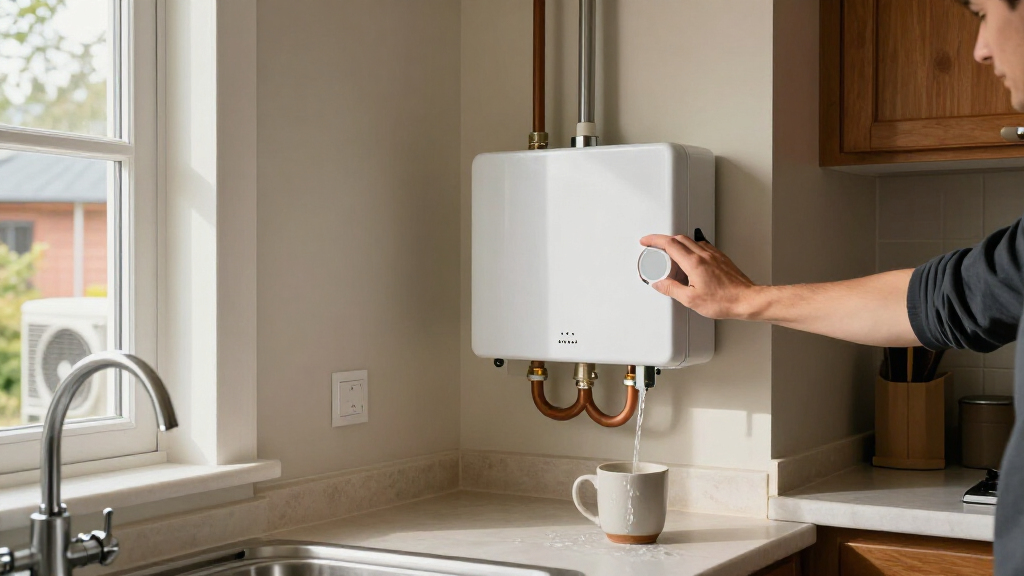
The preferred bid specifies a three-ton SpacePak Solstice variable-speed heat pump and a combi water-heating unit, with a buffer tank, pump, outdoor insulated lines, electrical wiring, an expansion tank and plumbing connections. The quoted work also includes removing the boiler, purging and commissioning the system, a permit and first-year maintenance. The listed price is $39,550; the quoted warranties are 10 years for the compressor, five years for parts and one year for labor.
The homeowner’s central question is whether the proposed equipment can reliably serve both space heating and domestic hot water, avoiding the cost of a separate water-heating heat pump. The owner also asked whether anything was missing from the bid and what should be verified with the contractor. The report records those questions, not the answers.
Replacing Gas Heat Without a Clear Answer
The decision affects more than the choice of heating equipment. The homeowner wants to leave natural gas and says local electricity costs about 9 cents per kilowatt-hour and comes from hydropower. Whether a heat pump is a practical replacement depends on how the proposed system performs in this specific house, including its existing hydronic distribution and hot-water needs. Those factors are not established by the bid summary alone.
The timing also matters: the boiler is already leaking, while the owner would prefer to delay the work. A bid near $40,000 is a substantial commitment, and the homeowner reports that few local HVAC contractors or plumbers offer this type of installation. That makes clear system design, contractor experience, permitting, commissioning and the written scope important points to settle before signing. The source does not establish whether the price is typical or whether the proposal is complete.
Products Worth Considering

Bose TV Speaker Compact Soundbar with Bluetooth and HDMI-ARC, Black

Dyson HushJet Compact Air Purifier, White/Silver

Shark Pet Cordless Stick Vacuum, Up to 40-Minute Runtime, Lightweight, Ocean Blue, IX141
As an affiliate, we earn on qualifying purchases.
The Existing Boiler and Proposed System
The house currently uses a boiler designed around a reported water temperature of 140 degrees at 20 degrees outdoors, with the indoor temperature set to 68 degrees. Those figures describe the homeowner’s current system; they do not, by themselves, show what water temperatures the proposed heat pump would need to deliver or whether the existing emitters can meet the home’s heating demand under all conditions.
An air-to-water heat pump transfers heat from outdoor air into water for a hydronic distribution system. The proposed combi unit is presented in the bid as serving domestic hot water as well as heating. The homeowner’s report does not include a heat-loss calculation, equipment performance figures at local winter temperatures, hot-water capacity details or an engineering assessment of the existing tubing and radiators. Those missing specifics are why the owner is seeking confirmation rather than treating the equipment listing as proof of suitability.
““Can it really do space heating and DHW?””
— The homeowner, describing the proposed bid
System Fit and Bid Details Remain Open
The available report does not include a reply from a building-science expert, the installer or the equipment manufacturer. It therefore does not confirm whether the three-ton unit is correctly sized, whether it can meet the house’s heating load during cold weather, or whether it can supply domestic hot water at the required volume and temperature.
Other unresolved details include the proposed system’s expected operating costs, its performance with the home’s existing staple-up tubing and radiators, and any backup heat or electrical work that may be needed. The source also does not state whether the homeowner accepted the bid, whether other bids were comparable, or whether the quoted scope includes every required component and code-related task. The listed permit and warranty terms are bid details, not independent confirmation of system performance.
Verify Design Before Accepting the Bid
The homeowner’s next step is to get written answers from the contractor before committing, particularly on the system’s design basis, heating capacity at relevant outdoor temperatures, domestic-hot-water provision and compatibility with the existing hydronic emitters. A documented heat-loss assessment and a clear explanation of how the system will operate in cold conditions would help address the sizing and performance questions raised in the report.
The owner can also ask for a complete scope of work covering controls, backup heat if proposed, electrical requirements, permitting, commissioning, maintenance and warranty limits. The source does not report a decision or installation date, so the outcome remains pending. Given the reported boiler leak, the timing of replacement is also unresolved.
Key Questions
What is the homeowner considering?
Replacing a nearly 20-year-old, slowly leaking gas boiler in a Tacoma home with a proposed air-to-water heat pump system.
What does the proposed bid include?
The reported $39,550 bid lists a three-ton SpacePak Solstice heat pump, a combi water-heating unit, buffer tank and pump, plumbing and electrical work, a permit, commissioning and first-year maintenance.
Would the heat pump provide domestic hot water as well as heating?
The bid identifies a combi unit and the homeowner hopes it will provide both services, but the report does not confirm its capacity or suitability for the house’s hot-water demand.
Has an expert confirmed the system will work in this house?
No expert assessment or answer is included in the supplied report. Questions about sizing, cold-weather performance and compatibility with the existing radiators and staple-up tubing remain open.
Has the homeowner decided to proceed?
The report says the homeowner is hesitant and concerned about the boiler’s condition, but it does not say whether the bid was accepted or the system installed.
Source: rss