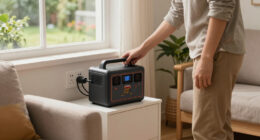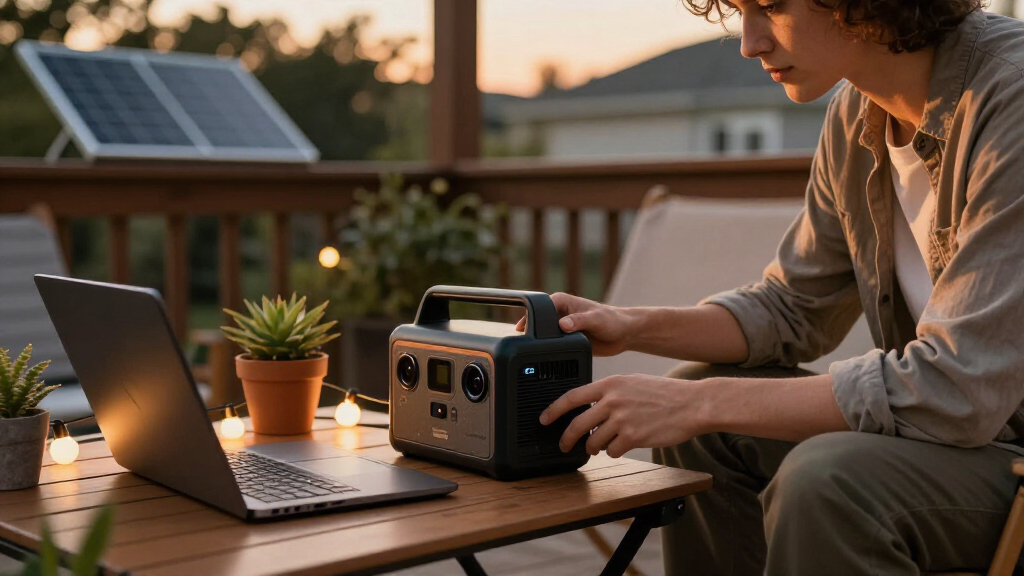
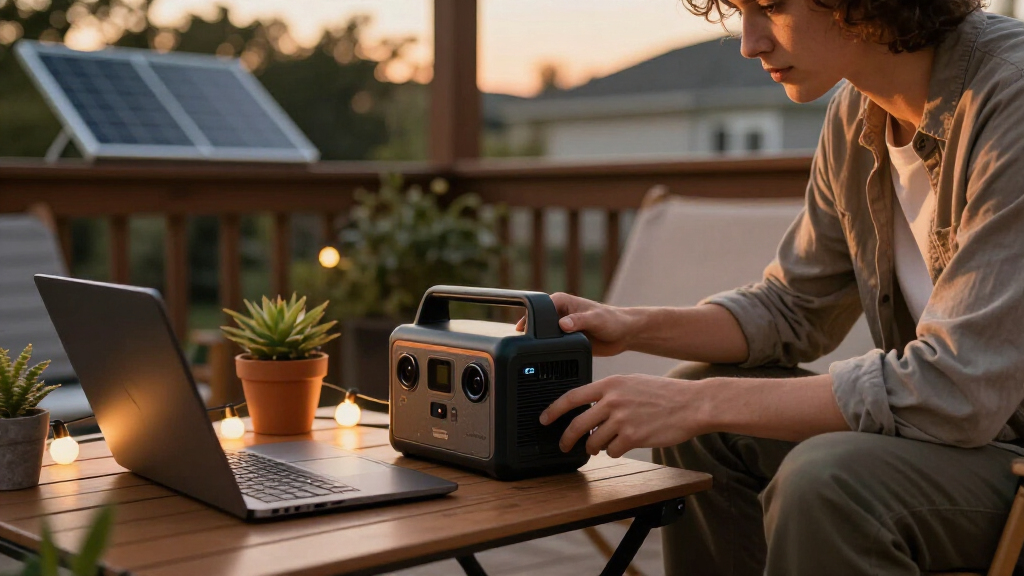
When power outages strike, a reliable home backup power station becomes essential. The best models balance capacity, portability, and affordability, but each has tradeoffs. The EcoFlow Delta 3 Classic stands out for its balance of power and portability, making it ideal for most homes. For those needing maximum capacity and long-term backup, the BLUETTI Elite 400 offers impressive storage and durability. Meanwhile, the Jackery Explorer 1000 v2 is a solid choice for smaller households or emergency use. Continue reading to see how these options compare and find the best fit for your needs.
Complete the kit


Key Takeaways
- Capacity and runtime are the primary factors, but larger batteries often come with increased weight and cost.
- Portability varies; some models prioritize compactness for easy relocation, while others emphasize maximum power output.
- LiFePO4 battery chemistry offers longer lifespan and safer operation, shaping the best long-term investments.
- Inverter wattage determines how many devices can run simultaneously; higher wattage models support more appliances.
- Price often correlates with capacity and features, but the most expensive options aren’t always necessary for every home.
| EcoFlow Portable Power Station Delta 3 Classic, 1024Wh, 1800W AC |  | Best Overall for Versatile Home Backup | Capacity: 1024Wh | Output Power: 1800W | Surge Power: 3600W | VIEW LATEST PRICE | See Our Full Breakdown |
| Anker SOLIX S2000 Portable Power Station, 2010Wh, 3000W Peak |  | Best for Long-Lasting Power with High Capacity | Capacity: 2010Wh | Peak Power: 3000W | Continuous Power: 1500W | VIEW LATEST PRICE | See Our Full Breakdown |
| Jackery Solar Generator 1000 V2 with 200W Solar Panel, 1070Wh, 1500W AC |  | Best for Outdoor and Emergency Use | Capacity: 1070Wh | AC Output: 1500W | Surge Peak: 3000W | VIEW LATEST PRICE | See Our Full Breakdown |
| Anker SOLIX C1000 Gen 2 Portable Power Station, 1024Wh, 2000W, Camping |  | Best for Fast Recharging and Versatile Camping Power | Capacity: 1024Wh | Power Output: 2000W | Recharging Time: 49 minutes via HyperFlash | VIEW LATEST PRICE | See Our Full Breakdown |
| BLUETTI Elite 400 Portable Power Station 3840Wh LiFePO4 Battery 2600W |  | Best for Large Capacity and Seamless Backup | Capacity: 3840Wh | Power Output: 2600W | Surge Power: 3900W | VIEW LATEST PRICE | See Our Full Breakdown |
| ABOK Ark3600 Portable Power Station 3600W, 3840Wh LiFePO4 Battery |  | Best Overall for High-Capacity Outdoor and Emergency Use | Capacity: 3840Wh (expandable to 11520Wh) | Battery Type: LiFePO4 | Lifespan: Over 4000 cycles, up to 10 years | VIEW LATEST PRICE | See Our Full Breakdown |
| 1000W Portable Power Station 1024Wh LiFePO4 for Outdoor & Home |  | Best Value for Compact, Reliable Power in Outdoor and Emergency Settings | Power Output: 1000W | Capacity: 1024Wh | Battery Type: LiFePO4 | VIEW LATEST PRICE | See Our Full Breakdown |
| Jackery HomePower 3600 Plus Portable Power Station, 3600W AC Output, 3584Wh LFP Solar Generator, Expandable up to 21kWh, Home Backup, RV |  | Best for Long-Term, Safe Home Backup with Expandability | Power Output: 3600W (7200W in parallel) | Capacity: 3584Wh, expandable to 21kWh | Charging Time: AC in 2.5 hours, Solar in 4 hours | VIEW LATEST PRICE | See Our Full Breakdown |
| Jackery Explorer 1000 v2 Portable Power Station, 1070Wh, 1500W |  | Best for Versatile, Long-Lasting Outdoor and Emergency Power | Capacity: 1070Wh | AC Output: 1500W | Surge Peak: 3000W | VIEW LATEST PRICE | See Our Full Breakdown |
| home backup power station | Capacity | Battery Type | Weight |
|---|---|---|---|
| EcoFlow Portable Power Station | 1024Wh | LiFePO4 | 26.7 pounds |
| Anker SOLIX S2000 Portable Pow | 2010Wh | LiFePO4 | 35.7 lbs |
| Jackery Solar Generator 1000 V | 1070Wh | LFP | 23.8 lbs |
| Anker SOLIX C1000 Gen 2 Portab | 1024Wh | — | Not specified |
| BLUETTI Elite 400 Portable Pow | 3840Wh | — | — |
| ABOK Ark3600 Portable Power St | 3840Wh (expandable to 11520Wh) | LiFePO4 | — |
| 1000W Portable Power Station 1 | 1024Wh | LiFePO4 | 27.73 lbs |
| Jackery HomePower 3600 Plus Po | 3584Wh, expandable to 21kWh | LFP (Lithium Iron Phosphate) | Lightweight, portable |
| Jackery Explorer 1000 v2 Porta | 1070Wh | LFP | 23.8 lbs |
More Details on Our Top Picks
EcoFlow Portable Power Station Delta 3 Classic, 1024Wh, 1800W AC
The EcoFlow Delta 3 Classic stands out for its impressive 1024Wh capacity and 1800W continuous power, making it a reliable choice for maintaining essential home appliances during outages. Compared with the Anker SOLIX C1000, it offers a larger battery and faster recharge times, especially with its 45-minute 0-80% charging speed. Its support for solar recharging and app control enhances convenience, but the 26.7-pound weight and limited outlets mean it’s less suited for frequent outdoor portability or large setups. This model is ideal for homeowners seeking a robust backup that balances capacity and speed, with some tradeoffs in portability and outlet count.
Pros:- High-capacity 1024Wh battery supports multiple appliances
- Fast charging from 0 to 80% in 45 minutes
- Supports solar recharging and app control for added convenience
- Built-in UPS protects sensitive electronics
Cons:- Relatively heavy at 26.7 pounds, less portable
- Limited to 6 outlets, which may be insufficient for larger setups
Best for: Homeowners needing a dependable, fast-charging backup for critical appliances during outages
Not ideal for: Frequent campers or outdoor enthusiasts who require a lighter, more portable unit with more outlets
- Capacity:1024Wh
- Output Power:1800W
- Surge Power:3600W
- Charging Time:0-80% in 45 minutes
- Recharge Time with Solar:2.5 hours
- Battery Type:LiFePO4
- Weight:26.7 pounds
- Number of Outlets:6
Our verdict“This is best suited for homeowners seeking a reliable, fast-charging backup solution with moderate portability needs.”
Anker SOLIX S2000 Portable Power Station, 2010Wh, 3000W Peak
The Anker SOLIX S2000 offers a substantial 2010Wh capacity and 3000W peak power, making it suitable for extended outages or powering larger appliances. Its long lifespan of 10,000 cycles and compact design set it apart from larger, bulkier options like the BLUETTI Elite 400. While it lacks a 12V DC port, its multiple recharging options—AC, solar up to 400W—provide flexibility, though runtime varies with load. The slightly heavier weight at 35.7 pounds and absence of some ports mean it’s less ideal for frequent outdoor use or small-scale needs. This makes it better suited for users who prioritize capacity and longevity over ultra-light portability.
Pros:- Large 2010Wh capacity supports extended backup periods
- Long lifespan of 10,000 cycles ensures durability
- Multiple recharging options including solar and AC
- Compact size for its capacity
Cons:- No 12V DC port limits some device compatibility
- Runtime varies significantly with appliance load
Best for: Home users or small-business owners needing long-term backup with high capacity
Not ideal for: Lightweight travelers or those requiring many DC ports for specialized devices
- Capacity:2010Wh
- Peak Power:3000W
- Continuous Power:1500W
- Battery Type:LiFePO4
- Battery Lifespan:10,000 cycles
- Dimensions:8.2 x 11.1 x 12.7 inches
- Weight:35.7 lbs
- Solar Input:Up to 400W
Our verdict“This is an excellent choice for those seeking a durable, high-capacity power station with long-term use in mind.”
Jackery Solar Generator 1000 V2 with 200W Solar Panel, 1070Wh, 1500W AC
The Jackery Solar Generator 1000 V2 provides a portable 1070Wh capacity and 1500W AC output, making it suitable for camping, road trips, or emergency scenarios. Its fast charging—achieving full charge in just 3 hours—and lightweight design at 23.8 pounds make it highly portable compared to bulkier models like the BLUETTI Elite 400. The multiple ports, including USB-C and AC, support various devices, but the solar panel is shipped separately, adding to initial setup time and cost. Its reliance on app control for fast charging features and limited to non-PO Box deliveries may pose minor inconveniences. Overall, this pick is tailored for outdoor adventurers who need reliable power without sacrificing portability.
Pros:- Lightweight at 23.8 pounds with foldable handle
- Fast charging in about 3 hours with app control
- Multiple ports support diverse devices
- Over 10 years lifespan with 4000+ cycles
Cons:- Solar panel sold separately, increasing initial cost
- Requires app for optimal fast charging features
- Cannot be shipped to PO boxes
Best for: Outdoor enthusiasts or emergency prepers needing lightweight, portable power
Not ideal for: Heavy-duty home backup where larger capacity or more outlets are required
- Capacity:1070Wh
- AC Output:1500W
- Surge Peak:3000W
- Weight:23.8 lbs
- Charging Time:1 hour (fast), 3 hours (full)
- Ports:2 USB-C, 1 USB-A, 1 DC car, 3 AC
- Battery Type:LFP
- Lifespan:Over 10 years
Our verdict“This is perfect for outdoor users who prioritize portability and quick charging in emergencies or camping trips.”
Anker SOLIX C1000 Gen 2 Portable Power Station, 1024Wh, 2000W, Camping
The Anker SOLIX C1000 Gen 2 combines a 1024Wh capacity with a 2000W output, making it highly effective for camping, off-grid living, or emergency backup. Its 49-minute HyperFlash recharge technology surpasses many competitors, including the EcoFlow Delta 3 Classic, in recharging speed. With 10 versatile ports, it supports a wide range of devices, and its solar compatibility extends its off-grid capabilities. While it’s smaller and lighter than some large units, its weight and unspecified price might limit portability for some users. This option excels for users who want rapid recharging and multiple device support in a compact, versatile design.
Pros:- Fast recharge in just 49 minutes with HyperFlash tech
- High capacity and multiple ports for diverse devices
- Solar recharging ability for off-grid use
- UPS backup for critical devices
Cons:- Weight and size not precisely specified, potential bulk
- Price details not provided, possibly expensive
Best for: Campers and outdoor lovers who need quick recharging and multiple device ports
Not ideal for: Users seeking a lightweight, ultra-portable solution or those with limited budget considerations
- Capacity:1024Wh
- Power Output:2000W
- Recharging Time:49 minutes via HyperFlash
- Recharging Method:AC, Solar
- Weight:Not specified
- Number of Ports:10
- Cycle Life:4000+ cycles
Our verdict“This power station is ideal for outdoor enthusiasts who value rapid recharge times and multiple port options in a portable package.”
BLUETTI Elite 400 Portable Power Station 3840Wh LiFePO4 Battery 2600W
The BLUETTI Elite 400 offers a formidable 3840Wh capacity and 2600W continuous power, making it suitable for long-term home backup or powering demanding tools outdoors. Its 15ms switchover ensures almost instant transfer during power outages, surpassing smaller or less sophisticated units like the EcoFlow Delta 3 Classic. The built-in trolley system enhances mobility despite its substantial weight, and fast charging with both AC and solar inputs reduces downtime. However, its size and weight mean it’s less practical for frequent transport, and the high price point might be prohibitive for some. This pick is best for users who need maximum capacity and seamless transition for critical loads.
Pros:- Huge 3840Wh capacity supports long outages
- Fast charging with multiple input options
- Seamless 15ms switchover for critical devices
- Easy-roll trolley system for mobility
Cons:- Heavy and bulky, less portable
- High cost, potentially limiting for some buyers
Best for: Homeowners requiring extensive, reliable backup with quick switchover capability
Not ideal for: Frequent travelers or those with limited storage space due to its bulk
- Capacity:3840Wh
- Power Output:2600W
- Surge Power:3900W
- Charge Time (AC+Solar):70 minutes to 80%
- Full Charge Time (AC):2.5 hours
- Full Charge Time (Solar):6 hours
- Mobility:Trolley system
Our verdict“This is the best choice for users needing large capacity and instant switch-over for essential home or outdoor power needs.”
ABOK Ark3600 Portable Power Station 3600W, 3840Wh LiFePO4 Battery
The ABOK Ark3600 stands out for its massive 3840Wh capacity, which can be expanded up to 11520Wh, making it ideal for prolonged outages or extended outdoor adventures. With a 3600W rated output and 4500W peak, it can power multiple devices simultaneously—an advantage over smaller models like the Jackery Explorer 1000 v2. Its long lifespan of over 4000 cycles ensures reliable performance for years, but the setup can be complex and charging may be hindered in cold environments below 32°F. Its portability is enhanced by wheels and a telescoping handle, though this adds some bulk. The Bluetooth app provides convenient monitoring, but users should be prepared for a steeper learning curve. This pick makes the most sense for those needing serious power and flexibility in outdoor or emergency scenarios.
Pros:- High capacity with expandable battery for extended use
- Supports a wide variety of devices with multiple output ports
- Long lifespan of over 4000 cycles ensures durability
Cons:- Charging can be limited in environments below 32°F
- Setup may be challenging for less experienced users
Best for: Families or outdoor enthusiasts seeking large, expandable power for long-term use and emergencies
Not ideal for: Casual users or those requiring a lightweight, simple solution due to its size and setup complexity
- Capacity:3840Wh (expandable to 11520Wh)
- Battery Type:LiFePO4
- Lifespan:Over 4000 cycles, up to 10 years
- Rated Output:3600W
- Peak Power:4500W
- Charging Methods:AC (1500W), PV (2000W), Car (120W)
- Output Ports:Multiple including AC, USB-C, DC
- Design Features:Wheels, telescoping handle, Bluetooth app
Our verdict“This power station is best suited for those who need a high-capacity, durable backup capable of handling extensive outdoor or emergency power needs.”
1000W Portable Power Station 1024Wh LiFePO4 for Outdoor & Home
The 1000W Portable Power Station offers a solid 1024Wh capacity with a 1000W continuous output, making it a practical choice for powering small appliances, lights, or routers during outages or outdoor trips. Compared to the Jackery Explorer 1000 v2, it provides similar capacity but is lighter at 27.73 lbs, although still hefty for some users. Its LiFePO4 battery ensures over 3000 cycles, extending its lifespan and safety. While it supports fast charging and multiple connection options, the 300W solar input limits rapid recharging in overcast conditions. Its moderate size and weight make it suitable for backpacking or vehicle camping, but it might fall short for larger appliances or long-term power needs. This makes it an excellent choice for users prioritizing reliable, portable backup for essential devices.
Pros:- Reliable 1024Wh capacity with 1000W output for small appliances
- Supports fast charging and multiple device connections
- Long-lasting LiFePO4 battery with over 3000 cycles
Cons:- Limited solar input of 300W may slow recharging in cloudy weather
- Heavy for some users at nearly 28 lbs
Best for: Outdoor adventurers and small household users needing dependable backup without excessive weight
Not ideal for: Those needing to power large appliances or requiring ultra-lightweight gear for backpacking
- Power Output:1000W
- Capacity:1024Wh
- Battery Type:LiFePO4
- AC Ports:2×110V
- USB-C Port:1×60W PD
- Solar Input:up to 300W
- Weight:27.73 lbs
- Colors:Gray, Blue, Yellow
Our verdict“This station is ideal for users who want dependable portable power for outdoor or emergency use without excessive weight.”
Jackery HomePower 3600 Plus Portable Power Station, 3600W AC Output, 3584Wh LFP Solar Generator, Expandable up to 21kWh, Home Backup, RV
The Jackery HomePower 3600 Plus offers a substantial 3584Wh capacity that can be expanded to a massive 21kWh, making it suitable for whole-house backup or extended RV trips. Its 3600W continuous output and options for parallel connection to reach 7200W add flexibility. Compared to the ABOK Ark3600, it is more streamlined and easier to transport, thanks to its luggage-style design with wheels and telescopic handle. The long lifespan of 6,000 cycles and safe LFP chemistry make it a durable, reliable choice for long-term use, but the higher price point and need for multiple units to cover entire households could be off-putting. Its relatively quick charging times in both AC and solar modes add convenience, though solar compatibility details are less explicit. This product suits homeowners or full-time RVers seeking a safe, scalable backup power system.
Pros:- High capacity with expandable design for long-term backup
- Safe, durable LFP chemistry with 6,000 cycles
- Compact, portable design with easy mobility features
Cons:- Expensive compared to smaller portable options
- Requires multiple units for full household coverage
Best for: Homeowners and RVers looking for a scalable, long-lasting backup power solution
Not ideal for: Users who need a lightweight or budget-friendly option for small device backup
- Power Output:3600W (7200W in parallel)
- Capacity:3584Wh, expandable to 21kWh
- Charging Time:AC in 2.5 hours, Solar in 4 hours
- Battery Type:LFP (Lithium Iron Phosphate)
- Lifespan:6,000 cycles
- Weight:Lightweight, portable
- Design:Luggage-style with wheels
Our verdict“This system is most appropriate for those wanting a long-lasting, expandable backup power system for entire homes or RVs.”
Jackery Explorer 1000 v2 Portable Power Station, 1070Wh, 1500W
The Jackery Explorer 1000 v2 provides a reliable 1070Wh capacity with a 1500W rated output, making it well-suited for camping, road trips, and emergency backup. Its fast charging capability—just about an hour—is a significant advantage over larger units like the ABOK Ark3600, which takes longer to recharge. The durable LFP battery supports over 4000 cycles, promising years of dependable service, though it only works with Jackery’s solar panels, limiting flexibility. Its lightweight at 23.8 lbs, combined with multiple ports including USB-C PD and AC outlets, makes it versatile for a variety of devices. However, the absence of solar panels included and reliance on Jackery-specific equipment could be limiting for those seeking a fully integrated solar solution. This model shines for users who need a dependable, portable power station for outdoor adventures or short-term emergencies.
Pros:- High capacity with 1070Wh and 1500W output for most outdoor devices
- Fast one-hour charging with advanced tech
- Long-lasting battery with over 10 years of use and 4000 cycles
Cons:- Limited to Jackery panels for solar charging
- Higher price compared to similarly sized alternatives
Best for: Outdoor enthusiasts and emergency preparedness users who value fast charging and portability
Not ideal for: Homeowners seeking larger, more permanent backup solutions or those wanting flexible solar compatibility
- Capacity:1070Wh
- AC Output:1500W
- Surge Peak:3000W
- Weight:23.8 lbs
- Charging Time:1 hour
- Battery Type:LFP
- Charge Cycles:4000
- Ports:Multiple including USB-C, USB-A, DC, AC
Our verdict“This station is ideal for users who prioritize quick recharge times and portability in outdoor or emergency scenarios while accepting some limitations on solar flexibility.”
How We Picked
These home backup power stations were evaluated based on capacity, power output, battery chemistry, portability, and overall build quality. We prioritized models that provide reliable, sustained power for typical household needs during outages, with an eye toward long-term durability and safety. Practical considerations like ease of use, expandability, and value for money also played key roles. The ranking reflects a balance between performance and affordability, aiming to recommend options suitable for a range of household sizes and emergency scenarios.| home backup power station | Battery Type |
|---|---|
| EcoFlow Portable Power Station | LiFePO4 |
| Anker SOLIX S2000 Portable Pow | LiFePO4 |
| Jackery Solar Generator 1000 V | LFP |
| Anker SOLIX C1000 Gen 2 Portab | — |
| BLUETTI Elite 400 Portable Pow | — |
| ABOK Ark3600 Portable Power St | LiFePO4 |
| 1000W Portable Power Station 1 | LiFePO4 |
| Jackery HomePower 3600 Plus Po | LFP (Lithium Iron Phosphate) |
| Jackery Explorer 1000 v2 Porta | LFP |
Factors to Consider When Choosing Home Backup Power Stations
Selecting the right home backup power station involves understanding several core factors. Beyond capacity, consider how much power your household needs, how portable the unit must be, and how long it can sustain your essential devices. Battery chemistry impacts durability and safety, while inverter wattage determines what appliances can run simultaneously. Making the right choice depends on assessing your specific backup requirements and budget constraints, avoiding common pitfalls like underestimating power needs or overspending on features you won’t use.Capacity and Runtime
Capacity, measured in watt-hours (Wh), directly affects how long your backup station can power devices. Larger capacity units can run essential appliances for days, but they tend to be heavier and more expensive. Think about the devices you need to keep running—fridges, lights, medical devices—and choose a capacity that comfortably covers those needs. Keep in mind that real-world runtime also depends on the load; higher wattage devices drain power faster, so balance capacity with your typical power consumption.
Power Output and Inverter Ratings
The inverter wattage determines how many devices and what types can run simultaneously. For example, a 1500W inverter supports most small appliances, while a 3000W inverter can handle larger tools or multiple devices at once. When selecting a station, consider both your peak power needs and whether you might expand your device list later. Overestimating inverter capacity can increase cost unnecessarily, but underestimating may leave you unable to power critical appliances during outages.
Battery Chemistry and Longevity
Battery chemistry impacts safety, lifespan, and maintenance. Lithium Iron Phosphate (LiFePO4) batteries, for instance, offer longer cycle life and greater thermal stability, making them a better investment over time. Cheaper options often use lithium-ion, which may degrade faster and pose safety risks if mishandled. Investing in a model with durable chemistry can save money and hassle in the long run, especially if you plan to rely on your backup station regularly.
Portability and Size
The size and weight of a backup power station influence how easily it can be moved or stored. Compact models are ideal for quick deployment or limited storage space, but they may sacrifice capacity. Larger units provide more power but can be cumbersome to transport, especially if you need to move them frequently. Consider your typical use scenarios—stationary backup for a basement or portable power for outdoor or RV use—to choose appropriately.
Price and Value
While higher-priced units often pack more capacity and advanced features, they aren’t always necessary for every household. Focus on matching your budget with your actual needs—if you only want to power essential devices during outages, a smaller, less expensive model may suffice. Conversely, for comprehensive backup solutions, investing in a premium model with expandability and higher capacity can be worthwhile. Beware of models that promise high wattage or capacity but lack build quality or safety certifications.
Frequently Asked Questions
Can a home backup power station run my refrigerator?
Yes, many backup stations with sufficient inverter wattage (usually 1000W or higher) can power a typical refrigerator, especially if it has a relatively low starting surge. It’s important to check the refrigerator’s startup wattage, which can be significantly higher than running wattage, and select a station that can handle that peak. For long-term outages, consider a model with a large capacity to sustain the refrigerator over several hours or days, depending on your needs.
How long will a backup power station run my essential devices?
The runtime depends on both the capacity of the station and the power draw of your devices. Small electronics like phones and LED lights use minimal power and can run for days on a single charge. Larger appliances like refrigerators or sump pumps will drain capacity faster. To estimate, add up the wattage of your devices and divide the watt-hours of the station by that number, keeping in mind that actual runtime varies with device efficiency and load.
Is it better to choose a larger capacity or a more portable unit?
This depends on your primary use case. Larger capacity units provide extended backup time for critical devices but are heavier and less portable. If your main concern is emergency power at home, a bigger station makes sense. Conversely, if you want a backup for outdoor activities or RV use, a smaller, lighter model is more practical, even if it offers less total capacity. Balance your need for portability against the backup duration you require.
What safety features should I look for in a backup power station?
Safety features like over-voltage protection, thermal cutoff, and battery management systems are vital for preventing damage and ensuring safe operation. Lithium Iron Phosphate (LiFePO4) batteries inherently offer greater thermal stability, reducing fire risk. Look for models with robust certifications and clear safety warnings. Proper handling, regular maintenance, and avoiding overloading are also essential to maintaining safe use over the station’s lifespan.
How often should I maintain or replace the battery in my backup station?
Most lithium-based batteries last between 2,000 and 5,000 charge cycles, which can translate to 5-10 years with regular use. To maximize lifespan, avoid deep discharges and store the unit in a cool, dry place. Some models feature user-replaceable batteries, while others are sealed units that require professional servicing or replacement after their lifespan. Regularly checking the battery’s health and following manufacturer guidelines helps ensure reliable performance when needed most.
Conclusion
For most households seeking reliable, everyday backup, the EcoFlow Delta 3 Classic offers a balanced mix of capacity, portability, and affordability. If long-term, high-capacity backup is your priority, the BLUETTI Elite 400 provides impressive storage and durability. Beginners or those on a tight budget should consider smaller, simpler models like the Jackery Explorer 1000 v2. For users with specific needs—such as RV owners or outdoor enthusiasts—the portable, expandable units like the Jackery HomePower 3600 Plus excel. Ultimately, your choice should align with your backup power requirements, budget, and how you plan to use the station during outages.