
TL;DR

Get backup power and energy gear delivered free with Prime
- Fast, free delivery on millions of items
- Prime Video, Amazon Music and more included
- Member-only deals all year
Cambridge researchers have published a comprehensive guide for preserving data stored on fragile floppy disks. The initiative aims to assist archivists and institutions in safeguarding digital heritage. The guide offers practical methods to recover and maintain data from deteriorating media.
Cambridge University researchers have published a comprehensive guide for preserving data from fragile floppy disks, aiming to support archivists, libraries, and digital heritage institutions in safeguarding aging digital media.
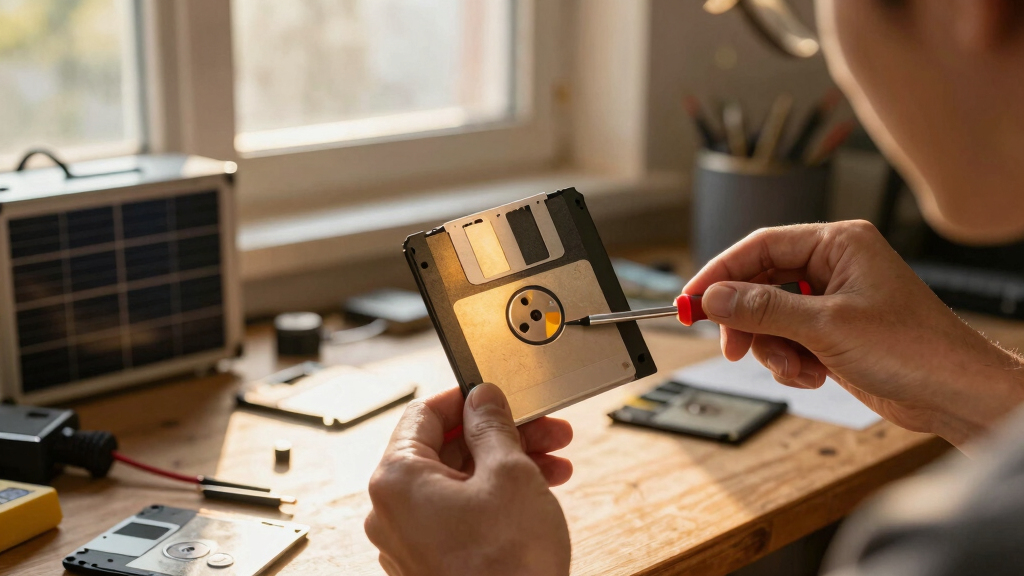
The guide, titled ‘Copy That Floppy,’ offers detailed instructions on how to carefully recover data from deteriorating floppy disks, which are increasingly at risk of data loss due to media degradation. The project was led by experts in digital preservation at Cambridge’s Centre for Digital Heritage, who emphasized the importance of early intervention to prevent irreversible data loss. The guide includes practical advice on handling, cleaning, and using specialized hardware and software to read and copy data from floppy disks, many of which are decades old and prone to physical damage. It also discusses best practices for storing recovered data securely and making it accessible for future research and archival purposes. The initiative responds to the growing concern over the loss of digital history stored on obsolete media, which many institutions lack the expertise or resources to preserve effectively.Why Preserving Floppy Disk Data Is Critical
This development matters because many historical records, scientific data, and cultural artifacts are stored on floppy disks, which are now highly vulnerable to physical deterioration. Without proper preservation methods, valuable digital heritage risks being lost forever. The guide aims to empower institutions to recover and maintain this data, ensuring continuity of access. As digital formats evolve rapidly and hardware becomes obsolete, preserving data from aging media like floppy disks is essential for maintaining historical integrity and supporting ongoing research across multiple disciplines.
Digital Decay of Obsolete Media Raises Preservation Challenges
Floppy disks, once a common medium for data storage, date back to the 1980s and 1990s. Over time, the physical media deteriorate, with issues such as magnetic decay, mold, and mechanical damage becoming common. Many institutions and individuals hold valuable information stored on these disks, but the lack of standardized preservation procedures has led to widespread data loss. Previous efforts focused on digitizing content from CDs and tapes, but floppy disks pose unique challenges due to their fragile nature and the need for specialized hardware to read them. The ‘Copy That Floppy’ project builds on ongoing initiatives to address these issues, offering a practical resource for digital archivists.
“Our guide provides step-by-step instructions to help archivists and institutions recover data from disks that are often considered too fragile to handle. Early intervention is key to preventing irreversible loss.”
— Dr. Emily Carter, Lead Researcher at Cambridge
Remaining Challenges in Floppy Disk Data Preservation
While the guide offers comprehensive instructions, it is still unclear how widely adopted these methods will be across different institutions. The availability of specialized hardware and software needed for recovery may limit implementation. Additionally, the long-term effectiveness of these preservation techniques has yet to be fully validated, and ongoing technological developments could influence future best practices. The extent of physical damage on individual disks also varies, complicating standardized procedures.
Next Steps for Digital Preservation of Fragile Media
Following the publication of the guide, Cambridge plans to conduct workshops and training sessions to facilitate its adoption. Researchers aim to collaborate with libraries and archives worldwide to test and refine the recommended methods. Future efforts may include developing more accessible hardware solutions and expanding the guide to cover other obsolete media formats. Monitoring the effectiveness of these preservation techniques and adapting them to evolving technology will be key priorities.
Key Questions
Who developed the ‘Copy That Floppy’ guide?
The guide was developed by researchers at Cambridge University’s Centre for Digital Heritage, specializing in digital preservation.
What specific advice does the guide offer for recovering data?
The guide provides step-by-step instructions on handling, cleaning, using specialized hardware to read disks, and software tools for data copying and recovery.
Are there risks involved in attempting to recover data from floppy disks?
Yes, physical handling can cause further damage if not done carefully. The guide emphasizes gentle handling and proper safety procedures, especially for deteriorated disks.
Will this guide help in preserving data from all types of obsolete media?
While focused on floppy disks, the principles may be adapted for other fragile media, but specific techniques vary depending on the format and condition.
What happens if a floppy disk is too damaged to recover data from?
If physical damage is extensive, recovery may not be possible with current methods. The guide encourages early intervention to maximize chances of success.
Source: hn
Evergreen bestsellers Picks
bestsellers
As an affiliate, we earn on qualifying purchases.