
Slow cranking on your standby generator often happens because of issues with the battery, such as being weak, drained, or aging, which prevents it from supplying enough power. Corroded or loose electrical connections and damaged wiring can also hinder proper flow, making it harder for the starter motor to turn the engine over efficiently. If you want to find out how to prevent or fix these problems, keep exploring the common causes.

Get backup power and energy gear delivered free with Prime
- Fast, free delivery on millions of items
- Prime Video, Amazon Music and more included
- Member-only deals all year
Key Takeaways
- Weak or aging batteries lack sufficient power for quick engine startup.
- Corroded or loose electrical connections impede proper electrical flow.
- Worn or damaged starter motors struggle to turn the engine efficiently.
- Low battery charge levels prevent the generator from starting promptly.
- Fuel system blockages or contamination delay engine ignition during startup.
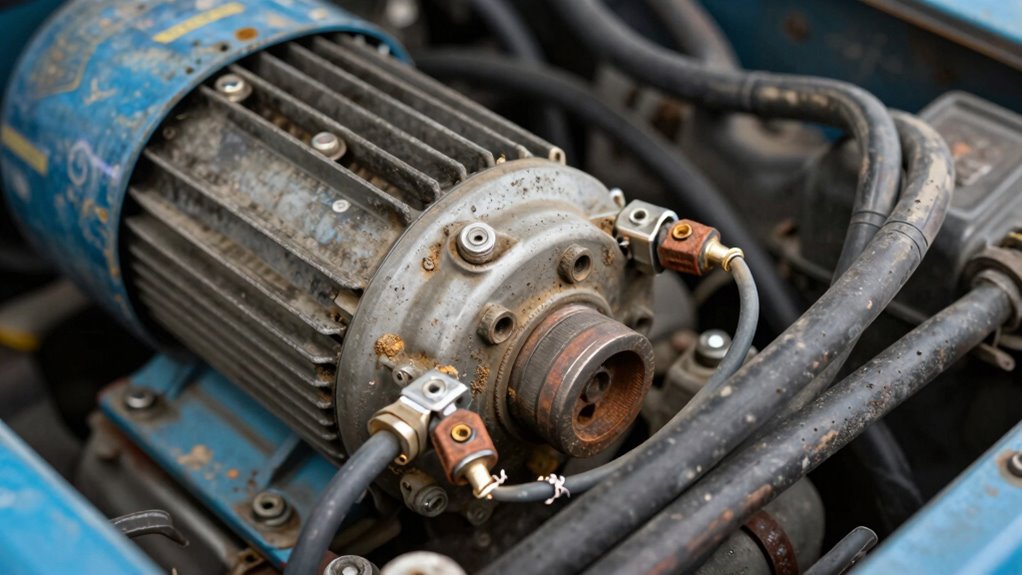
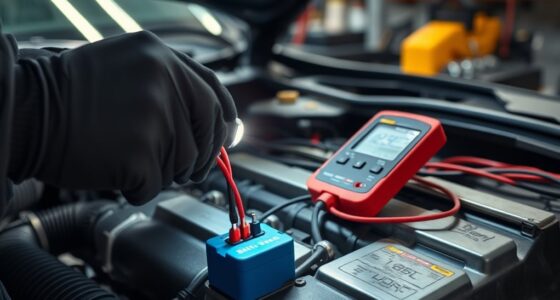
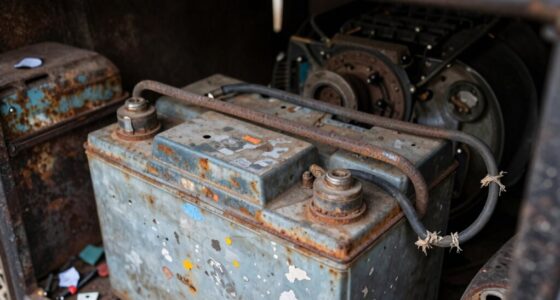
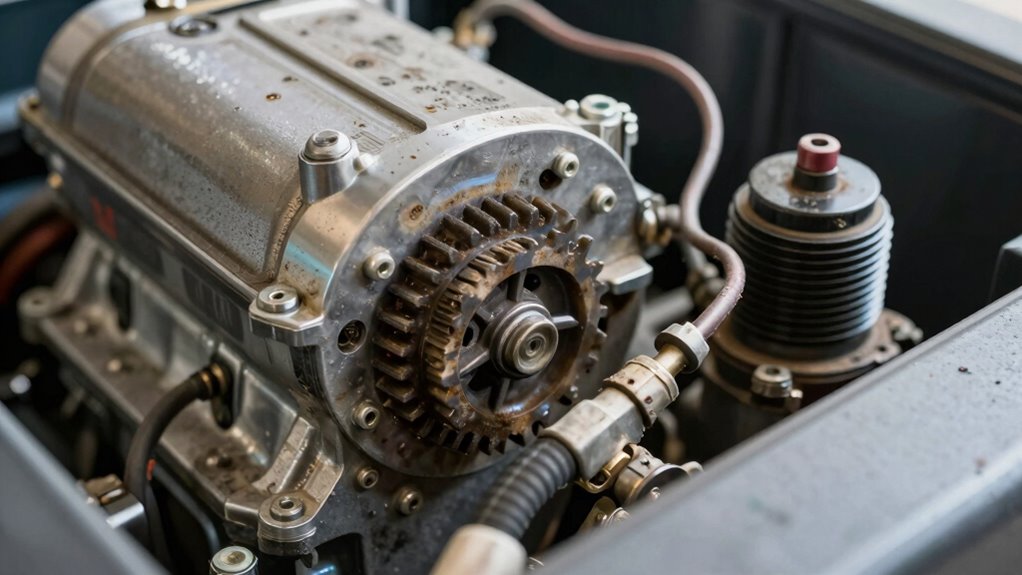
Another critical factor is battery health. Your generator’s battery provides the initial power needed to turn the engine over. When the battery is weak, drained, or aging, it won’t supply enough voltage to kickstart the system. Over time, batteries lose their capacity, especially if they aren’t maintained properly or if they’re subjected to extreme temperatures. If your generator’s battery is nearing the end of its lifespan or shows signs of corrosion, it can cause slow cranking or failure to start altogether. Regularly checking the battery’s charge level, cleaning terminals, and replacing it when necessary ensures reliable starts. A healthy battery provides a strong spark, making the engine turn over swiftly. Battery maintenance is essential to avoid unexpected starting issues and extend the lifespan of your generator’s power source. Additionally, ensuring proper electrical connections can prevent potential issues with power flow. Other factors can also contribute, like corroded or loose connections, which hinder electrical flow from the battery to the starter motor. Ensuring all wiring is secure and corrosion-free can make a noticeable difference. Additionally, the starter motor itself might be worn out or damaged, leading to sluggish cranking. Regular maintenance, including testing the starter and inspecting electrical connections, keeps your generator operating smoothly. Furthermore, ensuring the fuel system is clean and free of obstructions is vital for consistent engine performance.
Frequently Asked Questions
How Often Should I Service My Standby Generator?
You should service your standby generator at least once a year, or more often if you use it frequently. Follow a maintenance checklist that includes inspecting and replacing filters, checking fluid levels, and performing battery maintenance. Regularly testing your generator guarantees it’s ready when needed. Keep an eye on the battery, ensuring connections are clean and charged, to prevent slow cranking and guarantee reliable startup during power outages.
Can Temperature Affect Generator Starting Performance?
Yes, temperature effects can impact your generator’s starting performance. Cold weather thickens oil and fuel, making it harder for the generator to spin and start efficiently. Conversely, high temperatures can cause overheating, reducing overall generator efficiency. To guarantee reliable starts in varying conditions, consider using appropriate lubricants and maintaining cooling systems. Being mindful of temperature effects helps keep your standby generator running smoothly when you need it most.
Does Fuel Quality Impact Starting Speed?
Yes, fuel quality impacts starting speed. Fuel contamination, such as dirt or water, can clog filters and fuel lines, making it harder for your generator to start quickly. Additionally, using poor-quality fuel or fuel with improper additives can cause combustion issues, leading to slow cranking. Regularly check and maintain clean fuel filters, and use high-quality fuel with appropriate additives to guarantee your generator starts promptly and runs smoothly.
Is There a Way to Test the Battery Easily?
Yes, you can easily test your generator’s battery. Start by checking the voltage with a multimeter; a healthy battery should read around 12.6 volts. Perform battery maintenance by cleaning terminals and ensuring connections are tight. Use proper charging techniques, like a trickle charger, if voltage is low. Regular testing and maintenance help prevent slow cranking, ensuring your generator starts reliably when needed.
What Are the Signs of a Failing Starter Motor?
You’ll notice starter motor issues if your generator struggles to turn over or makes grinding noises. It might also fail to start entirely, or you could hear a clicking sound. Poor battery health can contribute, as it may not provide enough power for the starter motor to function properly. Regularly check both the starter motor and battery health to prevent these signs from worsening, and consider professional testing if problems persist.
Conclusion
Understanding what causes slow cranking on standby generators helps you troubleshoot effectively and keep your backup power reliable. Regular maintenance, like checking the battery and starter motor, can prevent most issues. Did you know that over 60% of generator failures are linked to battery problems? Staying proactive ensures your generator kicks in smoothly when you need it most, providing peace of mind during power outages. Keep these tips in mind to maintain peak performance.
Halloween Picks
halloween
As an affiliate, we earn on qualifying purchases.