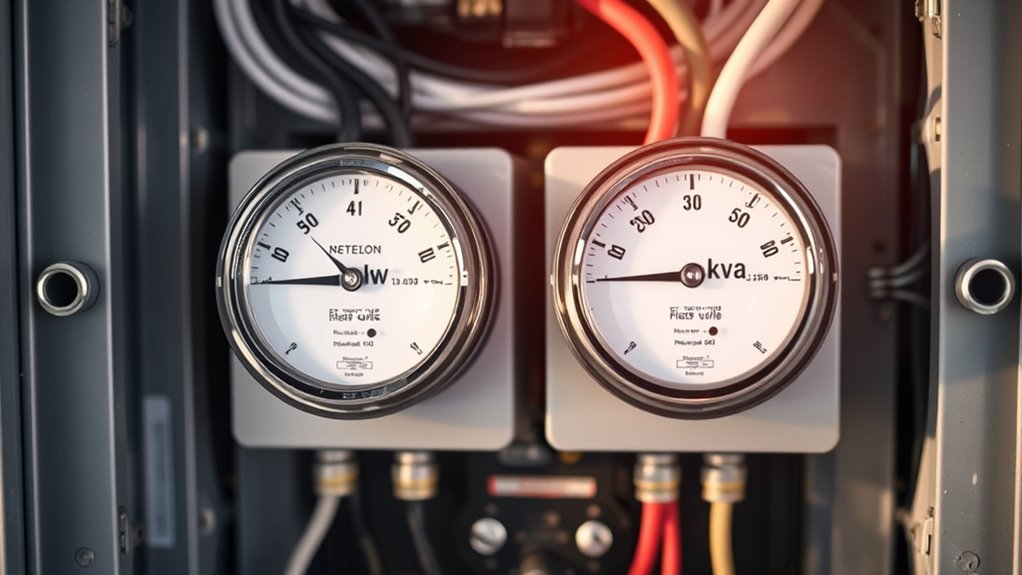

Understanding the difference between kW and kVA is key to ensuring your residential wiring is safe, efficient, and code-compliant. kW measures the actual power used, while kVA includes reactive power which can affect system capacity. Properly calculating and applying these values helps prevent overloads and saves energy costs. Staying aware of these concepts keeps your system up to standard—continue looking into details to master quick wins for your home’s electrical health.
Key Takeaways
- Understand that kW measures real power, while kVA reflects apparent power including reactive components.
- Properly size circuit breakers based on actual kW load, considering power factor to prevent overloads.
- Ensure load balancing across circuits to optimize system efficiency and meet code compliance.
- Use correct calculations of apparent power (kVA = kW / power factor) for equipment and system sizing.
- Regularly verify protective device ratings and perform inspections to adhere to residential wiring codes and standards.

Porch Shield Generator Cover for 5000-10000W, 32 x 24 x 24 inch, Black
- Compatible - More sizes for 5000w -10000w gas...
- Upgrade Material - Made of 600D polyester fabric...
- Tear Resistant & Waterproof - The high-level double...
As an affiliate, we earn on qualifying purchases.
Understanding the Basics: What Are Kw and Kva?
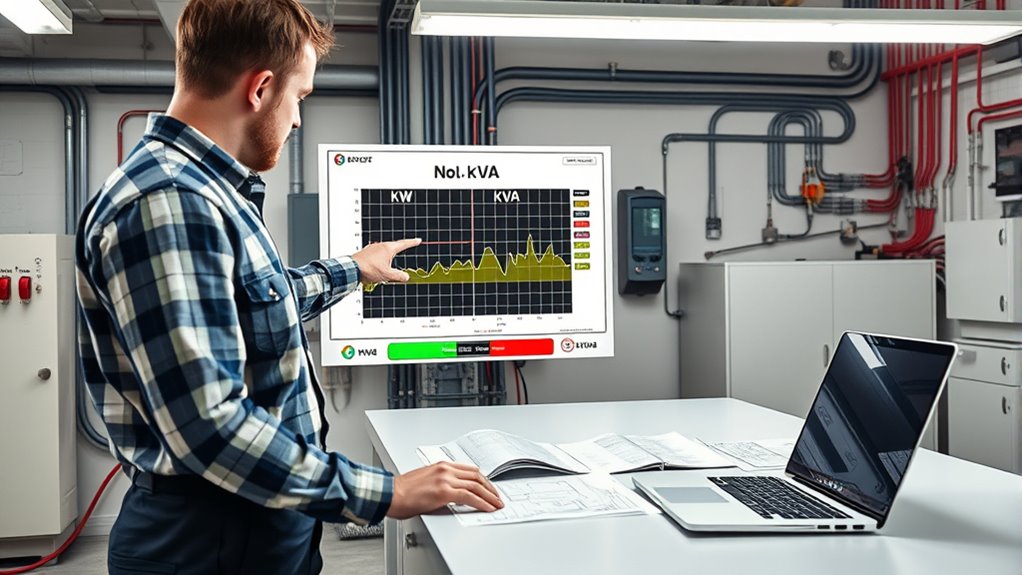
When you’re dealing with electrical systems, understanding the difference between kilowatts (kW) and kilovolt-amperes (kVA) is essential. Kilowatts measure the actual power your system uses to do work, like lighting or appliances. KVA, on the other hand, represents the apparent power, which combines real power and reactive power. Reactive power is caused by inductive loads, like motors and transformers, and doesn’t perform useful work but affects the power factor. Your power factor indicates how efficiently your system uses electricity. A low power factor means more reactive power, leading to higher kVA demands without increasing actual work. Recognizing this distinction helps you guarantee proper sizing, efficiency, and compliance in your residential electrical setup. Additionally, understanding power factor correction can help improve system performance and reduce energy costs.
Porch Shield Generator Cover for 5500-15000W, 38 x 28 x 30 inch, Black
- Compatible - More sizes for 5500w -15000w gas...
- Upgrade Material - Made of 600D polyester fabric...
- Tear Resistant & Waterproof - The high-level double...
As an affiliate, we earn on qualifying purchases.
Why the Difference Matters in Residential Wiring
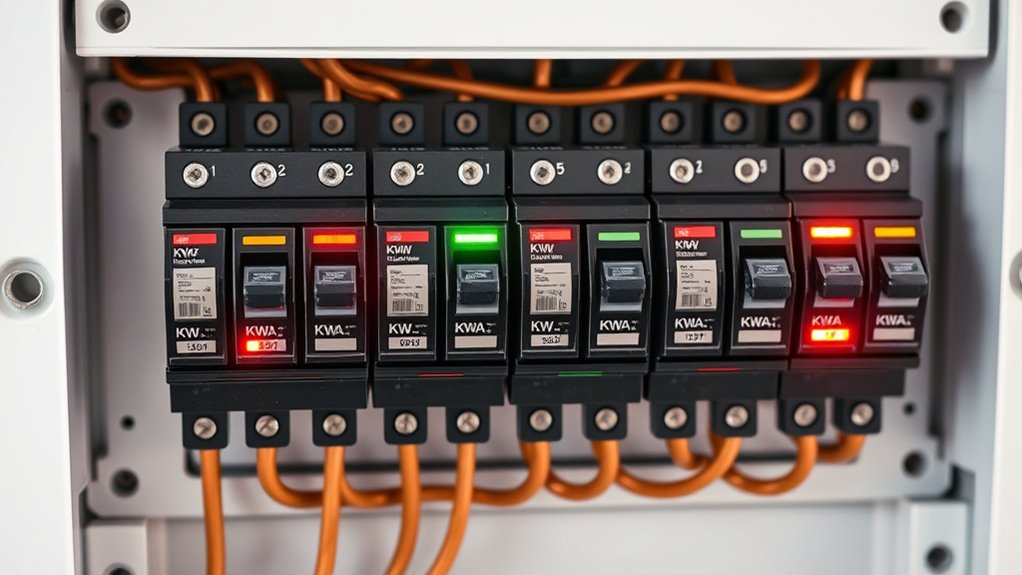
Understanding the difference between kW and kVA is essential for residential wiring because it directly impacts how your electrical system is designed and protected. If you mix them up, you risk compromising energy efficiency and safety protocols. Using the correct measurement guarantees your system is properly sized and protected from overloads, preventing hazards. Here’s a quick emotional snapshot:
| Concern | Impact | Solution |
|---|---|---|
| Energy wastage | Higher bills, lower efficiency | Accurate power calculation |
| Safety risks | Overloads, fire hazards | Proper system design |
| System longevity | Reduced lifespan | Correct component sizing |
| Peace of mind | Reliable, safe home environment | Proper understanding of kW and kVA |
Knowing the difference keeps your home safer and more energy-efficient. Additionally, understanding the power factor helps optimize your system’s performance and avoid unnecessary costs.

Portable Solar Generator 300W Portable Power Station with 60W Solar Panel
- Portable Generator with 60W Solar Panel Included: with a big battery pack,...
- Multiple Charging outlets for camping gear with SOS Flashlight: with 2* 300W Max AC...
- Multiple Charging Optional, Solar Panel Charger 60W Included: ZeroKor portable power bank generator...
As an affiliate, we earn on qualifying purchases.
Calculating Power: Practical Examples for Home Systems
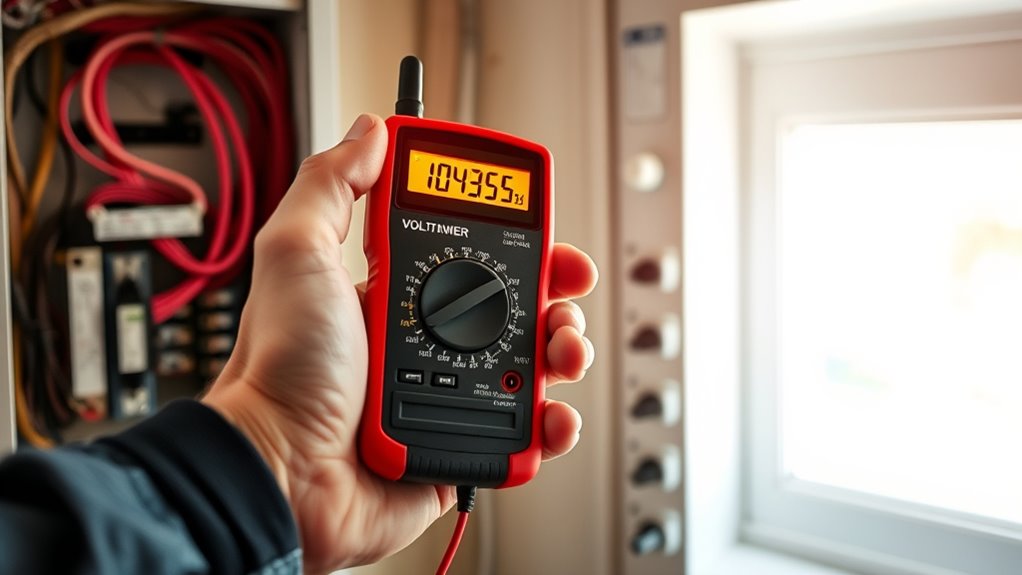
Calculating the power your home uses is straightforward once you know how to apply practical examples. Start by identifying your appliances’ power ratings, usually in watts or kilowatts. Remember, the power factor influences actual power consumption, especially with inductive loads. To guarantee efficiency, consider load balancing across circuits. Here’s how to do it practically:
- Sum the wattage of all appliances on each circuit
- Adjust for power factor if necessary
- Convert total wattage to kilowatts (kW)
- Calculate apparent power (kVA) by dividing kW by the power factor
- Be aware that skin hydration from eye patches can be enhanced with added ingredients like hyaluronic acid for better results.
This approach helps you determine the real power demand and understand the difference between kW and kVA. Proper load balancing minimizes power losses and ensures your system operates efficiently.

SOARAISE Solar Power Bank 48000mAh Wireless Portable Charger with 4 Cables
- Upgraded High-Efficiency 4 Solar Panels: Equipped with 4 premium solar...
- Massive 48000mAh Solar Power Bank: Featuring a high-capacity 48000mAh lithium-polymer...
- Built-in 4 Cable for Multi-Device Compatibility: Designed for multi-device charging, this...
As an affiliate, we earn on qualifying purchases.
Code Compliance: Ensuring Your System Meets Electrical Standards
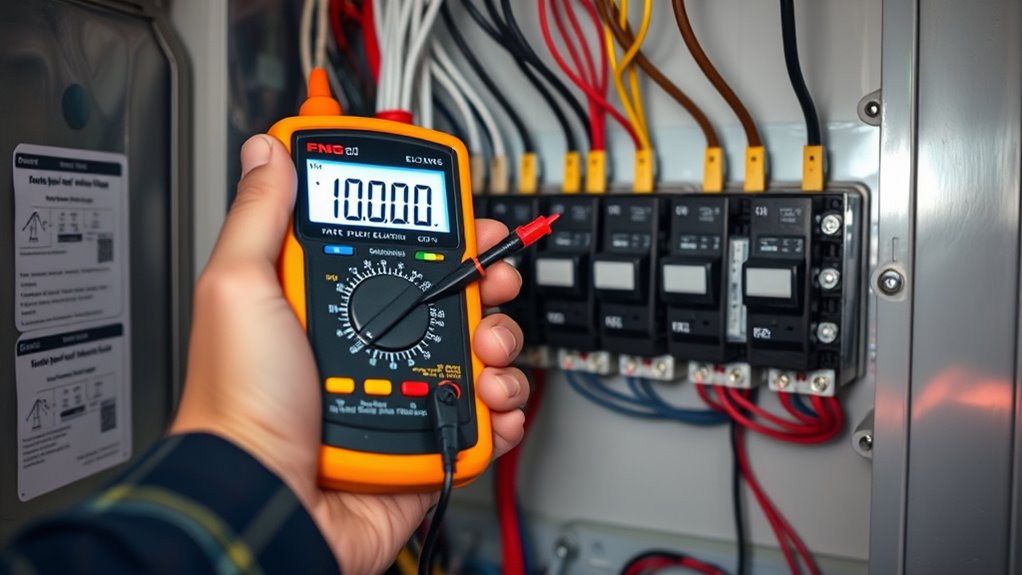
Ensuring your residential electrical system complies with local codes and standards is essential for safety and efficiency. One key aspect is maintaining a good power factor, which helps reduce energy losses and guarantees your system operates effectively. Poor power factor can lead to increased demand charges and potential penalties from utility providers. Load balancing is equally important; distributing electrical loads evenly across circuits prevents overloads and electrical faults. Proper load balancing minimizes stress on your wiring and breakers, keeping your system safe and compliant. Regular inspections and adjustments guarantee your system meets the required standards. Additionally, understanding sound vibrations and their effects can further optimize your system’s performance and safety. By focusing on power factor correction and load balancing, you can confidently make certain that your system not only complies with codes but also performs reliably and efficiently.
Common Mistakes and How to Avoid Them

One common mistake is neglecting to properly size and install protective devices like circuit breakers and fuses, which can cause overloads or electrical fires. To avoid this, guarantee your system is correctly load balanced, preventing uneven current distribution. Poor grounding safety is another mistake, risking shock hazards and equipment damage. Consulting AI-powered virtual reality in e-learning tools can help visualize proper installation techniques and safety protocols.
To stay on track:
- Regularly verify protective device ratings match system requirements
- Maintain proper load balancing across circuits
- Ensure grounding safety measures are up to code
- Conduct periodic inspections for loose connections or corrosion
Quick Tips for Staying Up-To-Date With Electrical Regulations

Staying current with electrical regulations is essential for safety and compliance, especially as codes frequently update. To keep up, subscribe to official industry newsletters and attend local training sessions. Regularly review the latest code changes to ensure your projects meet current safety considerations. Incorporate energy efficiency practices by understanding new standards for efficient lighting, appliances, and wiring methods. Join professional associations or online forums to stay connected with industry peers and share updates. Use reputable sources, such as NEC or local authority websites, for accurate information. Staying informed helps you avoid violations, enhances safety, and promotes energy-efficient systems. Dedicate a few minutes each week to review updates—this habit guarantees your work remains compliant, safe, and aligned with evolving regulations.
Frequently Asked Questions
How Do I Determine Whether to Use Kw or Kva for My System?
You should use kW when you’re focusing on real power for your system, especially if your load has a high power factor, guaranteeing efficient energy use. Use kVA when accounting for apparent power, which includes reactive components, essential for proper load balancing. Check your system’s power factor to decide; a high power factor means kW suffices, while a low one indicates you need kVA to properly size and ensure compliance.
Can Improper Kw and Kva Calculations Cause Safety Hazards?
Improper kw and kva calculations can definitely cause safety hazards. If you don’t account for the power factor and load balancing, your system might be undersized or overloaded, risking electrical fires or equipment damage. Visualize your system like a balanced scale—if the calculations are incorrect, the load isn’t evenly distributed. Accurate calculations ensure your system operates safely, preventing overloads and maintaining proper power quality.
Are There Specific Residential Appliances That Impact Kva More Than Kw?
Yes, appliances like HVAC systems and large motors impact KVA more than KW because of their low power factors. You should focus on improving appliance efficiency and consider power factor correction to reduce KVA demands. This not only guarantees compliance with codes but also optimizes energy use, preventing overloads and enhancing safety. Properly managing these appliances helps maintain a balanced system and minimizes electrical hazards.
How Often Should I Review My System’s Compliance With Local Codes?
You should review your system’s compliance with local codes at least annually, or more often if you notice any changes or issues. Regular inspection frequency helps guarantee safety and code adherence. Keep detailed compliance documentation during each review to track updates and inspections. Staying proactive prevents violations, minimizes risks, and keeps your system operating efficiently. Schedule inspections regularly and update your documentation accordingly to maintain ongoing compliance with local standards.
What Tools or Software Can Simplify Kw and Kva Calculations?
They say, “A tool in hand is worth two in the bush,” and that’s true for simplifying kw and kva calculations. Use software like SKM PowerTools, ETAP, or EasyPower to streamline load estimation and incorporate power factor considerations. These tools automatically perform complex calculations, helping you stay compliant with local codes and avoid errors, making your system design more efficient and reliable.
Conclusion
Now you know the key differences between kW and kVA, you can confidently craft compliant, capable residential systems. By mastering measurements, avoiding mistakes, and staying current with codes, you’ll build better, safer wiring wonders. Remember, diligent details deliver dependable designs. Stay sharp, stay savvy, and succeed swiftly—your smart, secure system is just a few steps away!