
TL;DR
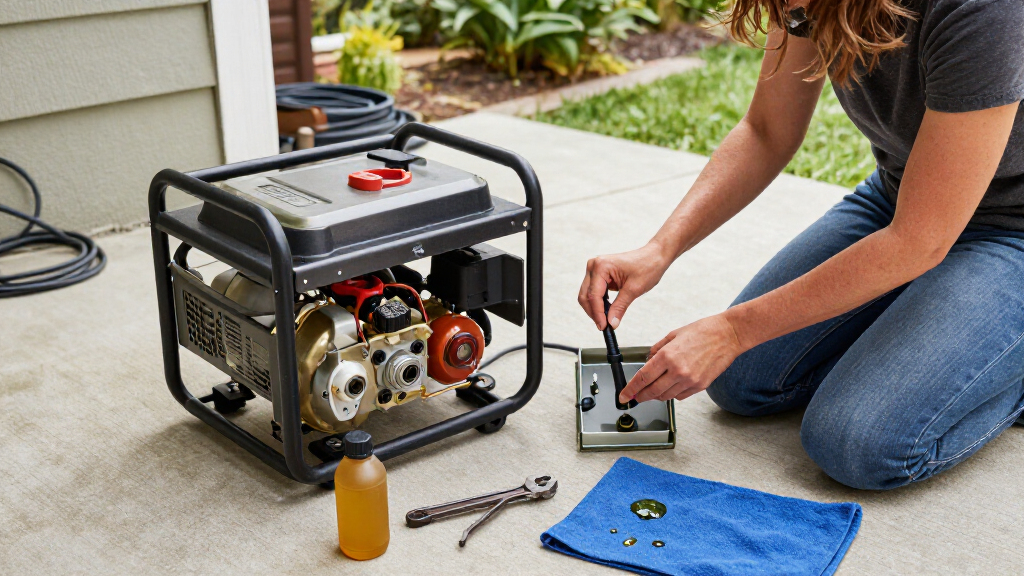
A general maintenance guideline is to change generator oil every 100 operating hours or at least once a year. A new generator may need an early oil change after its first five hours, while small engines or frequent use can call for changes every 20 to 100 hours; the manufacturer’s manual should guide the schedule.
A general guideline for home generator maintenance is to change the oil every 100 hours of operation or at least once a year, but the right schedule depends on the generator and how it is used. A newly purchased unit may need its first oil change after about five hours, while small engines and demanding operating conditions can require more frequent changes. These are general recommendations reported by Hunker’s generator-oil maintenance guide; the generator’s manual should determine the schedule for a particular model.

Get backup power and energy gear delivered free with Prime
- Fast, free delivery on millions of items
- Prime Video, Amazon Music and more included
- Member-only deals all year
Hunker describes these intervals as general guidance, not a universal schedule, and says the generator manufacturer’s manual should take precedence because service timing varies by model. For a new unit, the guide recommends checking whether an initial change is due after the first five hours of use, which can help remove possible manufacturing or shipping debris during break-in.
For generators used often or run for long stretches, Hunker suggests an interval of every 50 to 100 hours. The guide says smaller engines may need oil changes every 20 to 50 hours. These ranges should not replace model-specific instructions, and an hour-based schedule may require service more than once a year for a generator that runs regularly.
Hunker also notes that frequent use, extended run times, extreme heat or cold, and dusty or dirty surroundings can shorten oil life. A smaller oil capacity may call for more frequent checks and replenishment. The guide identifies dark, thick oil, a burning smell, unusual operating noises, and difficulty starting or staying running as warning signs that merit attention; these symptoms alone do not establish a particular fault.
When to change generator oil Follow hours and the manual
Oil-change timing depends on operating hours, engine size, and conditions. Use general intervals as guidance; the manufacturer’s manual sets the schedule for your model.
Match service to use
Frequent or demanding operation can call for more frequent oil changes.
Track run time
For frequent use or long runs, the guide suggests changes every 50 to 100 hours.
Check break-in service
Some new generators may need an initial oil change after about five hours. Follow your model’s break-in instructions.
Check more often
Smaller engines may need changes every 20 to 50 hours.
Conditions can shorten oil life
Consider operating conditions when deciding when to inspect the oil.
- Frequent use or extended run times
- Extreme heat or cold
- Dusty or dirty surroundings
- Small oil capacity, which may mean more frequent checks and replenishment
Warning signs need attention
These signs can have causes beyond oil condition, so consult the manual rather than assuming a diagnosis.
- Dark or thick oil
- Burning smell
- Unusual operating noises
- Difficulty starting or staying running
A practical maintenance routine
Confirm the model’s oil, service procedure, and recommended interval.
Compare the hour record with the maintenance schedule, especially after long runs.
Follow safety instructions and seek qualified service if warning signs persist.
Preventing Wear During Outages
As Hunker’s maintenance guide explains, generator oil lubricates moving metal parts and helps limit friction, heat and corrosion. When oil is too low or contaminated, the engine can overheat or suffer internal damage, potentially leaving a household without backup power when it is needed. Neglect can also lead to costly repairs or replacement.
The practical issue is that an annual reminder may not be enough for a generator that runs for many hours. Tracking operating time and checking the manual can help owners match maintenance to actual use, rather than relying only on the calendar. That is particularly relevant during extended outages, when a generator may accumulate operating hours quickly.
Products Worth Considering

Bose TV Speaker Compact Soundbar with Bluetooth and HDMI-ARC, Black

Philips Hue Festavia Permanent Outdoor String Lights, 80 Lights, 150 ft

Philips Hue Play HDMI Sync Box
As an affiliate, we earn on qualifying purchases.
Hours, Seasons and Engine Size
Hunker presents a range of intervals because generator oil does not age at the same rate in every situation. Usage frequency and run duration affect how quickly oil degrades, while environmental conditions can change its performance or introduce contaminants. A unit kept in a dusty location may need closer attention than one operating in cleaner conditions.
Generator design matters too. The guide says smaller engines and units with lower oil capacity may require more frequent oil service than larger standby generators. It does not specify separate schedules for particular brands or models, so the owner’s manual remains the key reference. Annual maintenance can serve as a reminder for occasional-use equipment, but owners should also account for operating hours and any initial break-in service.
The Manual Sets the Interval
The figures reported in Hunker’s guide are general ranges; no specific generator model, oil type, or manufacturer schedule is identified. It is therefore not possible to give one interval that applies to every home generator. The guide also does not define how much extreme heat, cold, dust, or extended operation changes a particular model’s service schedule.
Warning signs such as unusual noises or trouble starting can have causes beyond oil condition. They should not be treated as a diagnosis or as a reason to ignore the manufacturer’s troubleshooting instructions. Owners should check the manual for the recommended oil, service procedure, and interval for their unit.
Check Hours Before the Next Run
Owners can start by checking the generator’s operating-hour record, if available, and comparing it with the maintenance schedule in the manual. If the unit is new, confirm whether it calls for an oil change after its first five hours, an interval described in Hunker’s general maintenance guide. For ongoing use, keep track of hours and consider conditions such as long runs and dusty surroundings when deciding when to inspect the oil.
Before operating or servicing a generator, follow the manufacturer’s safety instructions. If the oil appears dark or unusually thick, the generator smells of burning oil, makes unusual noises, or struggles to start or keep running, consult the manual and seek qualified service if needed. The next service interval remains model-specific, so the manufacturer’s instructions—not a broad rule of thumb—should settle the schedule.
Source: Hunker, “How Long Does Generator Oil Last?”
Key Questions
How often should I change oil in a home generator?
Hunker’s general guideline is every 100 operating hours or at least once a year. Check the owner’s manual, because the interval varies by model and operating conditions.
Does a new generator need an early oil change?
It may. Hunker’s guide says some new generators need an initial change after about five hours of use. Follow the break-in instructions for your specific model.
How often should a frequently used generator get an oil change?
For frequent use or long operating periods, Hunker suggests 50 to 100 hours. The guide says small-engine generators may need changes every 20 to 50 hours; the manual provides the model-specific schedule.
What signs can indicate that generator oil needs attention?
Hunker’s guide lists possible warning signs such as dark, thick oil, a burning smell, unusual noises, or difficulty starting or continuing to run. These symptoms can have other causes, so consult the manual rather than assuming oil is the only problem.
Source: hunker.com